
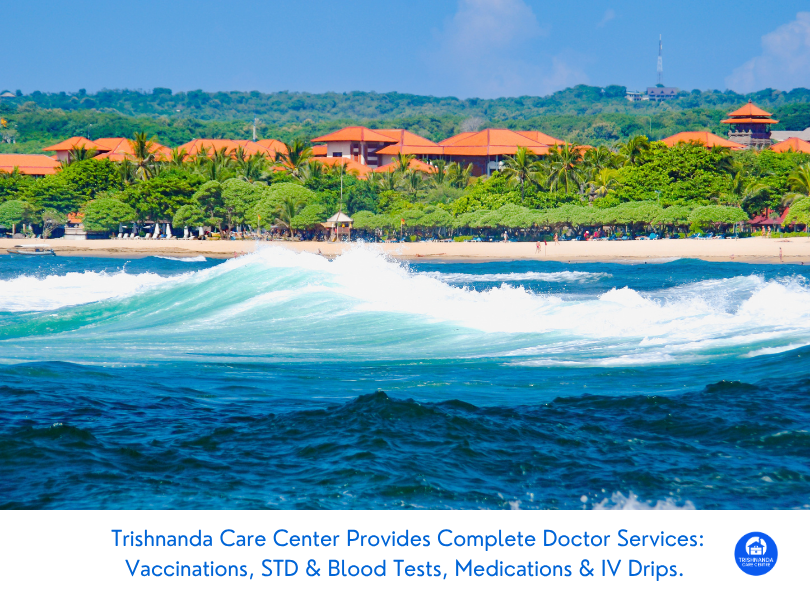
Uluwatu Surfer Emergencies: Treating Minor Reef Cuts at Your Cliffside Villa
Bali’s Uluwatu coastline draws surfers from all corners of the globe with its legendary breaks, crystalline waters, and dramatic limestone cliffs. Yet the same vibrant coral reefs that make these waves so thrilling also pose a hidden hazard: reef cuts. Whether you’re catching an early morning barrel or enjoying a sunset session, accidents can happen leaving you with minor but potentially tricky wounds. As Bali’s leading mobile healthcare provider, Trishnanda Care Centre is dedicated to helping surfers and travelers handle these emergencies safely and recover with confidence, right from the comfort of their cliffside villa.
Below, we explore the science behind reef cuts, how to prevent them, what to do if you get injured, and how to ensure a swift, infection-free recovery.
Understanding Reef Cuts: The Medical Background
What Are Reef Cuts?
Reef cuts are abrasions or lacerations caused by contact with coral or sharp rock in the ocean. Unlike simple scrapes on sand or smooth stone, reef cuts carry unique risks due to the biological nature of coral and the diversity of marine bacteria.
Coral Structure: Coral polyps secrete calcium carbonate skeletons that form razor-sharp edges.
Marine Microbes: Coral reefs are home to bacteria (such as Vibrio species), fungi, and protozoa. When skin is broken on contact, these microbes can be introduced into the wound.
Why Are Reef Cuts Different From Other Wounds?
Complex Contamination: Besides physical debris (sand, fragments), wounds may be seeded with marine pathogens.
Delayed Healing: Seawater impedes clotting and may slow tissue repair.
Infection Risk: Studies published in journals like Wilderness & Environmental Medicine emphasize high infection rates associated with marine wounds.
Common Symptoms After a Reef Cut
• Localized pain and bleeding
• Redness, swelling
• Oozing or pus (if infected)
• Fever or increasing pain (advanced infection)
Prompt action is crucial because even minor cuts can escalate into serious infections if not managed properly.
Local Risk Factors for Surfers in Uluwatu
Unique Challenges of Uluwatu’s Reefs
Uluwatu is famed for its challenging surf breaks that break over shallow reef ledges. This proximity increases the likelihood of accidental contact during wipeouts or low-tide sessions.
Shallow Water Hazards: Sudden drops in tide make reefs more exposed.
High Wave Energy: Powerful swells can slam surfers onto hard coral surfaces.
Remote Locations: Many villas are perched on cliffs far from a traditional clinic.
Environmental Factors
The warm tropical waters around Bali foster rapid bacterial growth. According to research compiled by the Centers for Disease Control and Prevention (CDC), certain bacteria common in warm marine environments like Vibrio vulnificus can cause severe soft tissue infections within hours.
Preventing Reef Cuts: Proactive Tips for Travelers
While some risk comes with the territory, there are practical steps every surfer or ocean swimmer can take to minimize accidents and complications.
1. Choose Protective Gear
• Reef Booties: These help protect feet from sharp coral and sea urchins.
• Rash Guards/Wetsuits: Even thin neoprene can reduce skin exposure.
• Helmets: For advanced breaks where head impacts are possible.
2. Plan Your Sessions Wisely
• Know the Tides: Surf at higher tides when reefs are deeper underwater.
• Scout Entry/Exit Points: Identify safe channels through the reef before entering.
• Buddy System: Surf with a friend who can help if you’re injured.
3. Respect Local Knowledge
Local guides and surf instructors know which spots are most hazardous under different conditions. Don’t hesitate to ask for advice before venturing out.
Immediate First Aid for Minor Reef Cuts at Your Villa
If you suffer a minor reef cut, early intervention is key. Here’s what medical literature and clinical best practices recommend:
Step 1: Stop the Bleeding
Apply gentle pressure using a clean towel or gauze until bleeding stops.
Step 2: Rinse Thoroughly
Use copious amounts of clean, fresh water not seawater to flush out sand, debris, and as much organic matter as possible. If available, use sterile saline solution.
Why Not Use Seawater?
Seawater may contain additional bacteria that could worsen infection risk.
Step 3: Remove Visible Debris
Tweezers sterilized with alcohol can help remove any small coral or sand particles embedded in the wound. Be gentle pushing debris deeper increases risk of infection.
Step 4: Disinfect
After rinsing, gently pat dry and apply an antiseptic solution such as povidone-iodine or chlorhexidine (as recommended by sources like Mayo Clinic).
Step 5: Dress the Wound
Cover with a sterile non-stick dressing. Change this dressing daily or whenever it becomes wet or dirty.
When to Seek Medical Attention
Even minor reef cuts can become problematic if not closely monitored. Seek prompt medical evaluation if:
• The wound is deep or won’t stop bleeding after 10 minutes of pressure
• You see signs of infection (redness spreading outward, warmth, swelling, pus)
• You develop fever or chills
• You haven’t had a tetanus shot in the last five years
• Embedded debris cannot be removed easily at home
Trishnanda Care Centre offers doctor-on-call services direct to your villa across central Bali including Uluwatu so you never have to travel far for expert care. Our English-speaking doctors and nurses are available 24/7 for consultations, wound care, antibiotics prescriptions if needed, and even mobile IV therapy for more extensive injuries or infections.
Understanding Marine Infections and Antibiotic Choices
Common Pathogens in Reef Cuts
According to clinical guidelines from UpToDate and peer-reviewed articles:
• Vibrio species (notably Vibrio vulnificus)
• Staphylococcus aureus (including MRSA)
• Pseudomonas aeruginosa
• Various fungi and mycobacteria
These organisms thrive in tropical marine environments and can cause rapidly progressing infections.
Signs an Infection Is Developing
Be alert for:
• Increasing redness or streaking
• Swelling that worsens after initial injury
• Thick yellow-green discharge
• Localized warmth or tender lumps under the skin
• Systemic symptoms such as fever or malaise
If these occur, prescription oral antibiotics are often indicated; sometimes IV antibiotics are required for severe cases. Only a healthcare professional can determine the best course based on your clinical picture.
Recovery Steps at Your Cliffside Villa
Daily Wound Care Routine
1. Gently rinse with sterile saline daily.
2. Apply fresh antiseptic solution each time.
3. Replace dressing regularly always use clean hands.
4. Keep wound dry when possible; avoid soaking baths until healed.
Nutrition for Faster Healing
A balanced diet rich in protein (chicken, eggs), vitamin C (citrus fruits), zinc (nuts, seeds), and adequate hydration supports tissue repair. Trishnanda Care Centre offers hydration IV therapy delivered directly to your villa for those needing extra support after illness or dehydration from infection.
Physical Activity Precautions
Avoid swimming in the ocean until your wound has fully closed re-exposure increases your risk of secondary infection from both seawater bacteria and further trauma.
Complications to Watch For
While most minor reef cuts heal without issue when properly cared for, possible complications include:
• Cellulitis (deep skin infection)
• Abscess formation
• Delayed healing due to retained foreign material
• Rarely, necrotizing fasciitis (flesh-eating bacterial infection)
Prompt medical assessment is critical if you notice rapid worsening symptoms or signs of systemic illness such as high fever or confusion.
Why Immediate Professional Care Matters in Bali
Bali’s unique environment means infections can progress faster than many travelers expect. Timely wound cleaning and assessment by medical professionals reduces risks significantly. Additionally:
1. Early removal of retained coral fragments reduces chronic inflammation.
2. Appropriate antibiotic selection based on local resistance patterns ensures more effective treatment.
3. Monitoring by trained clinicians helps catch complications before they escalate.
Trishnanda Care Centre provides free island-wide delivery of medications and supplies so travelers don’t have to leave their accommodation while recovering perfect for those staying in remote villas above Uluwatu’s surf breaks.
Trishnanda Care Centre: Your Partner for Cliffside Emergencies
Our services include:
• 24/7 doctor-on-call & nurse visits anywhere on Bali’s southern coast
• Mobile IV therapy packages delivered direct to your villa
• In-villa lab tests including CBCs if infection is suspected
• No hidden transportation charges even for late-night emergencies
• Fluent English-speaking medical staff who understand both local risks and international standards of care
Whether you need a quick wound assessment after a minor cut or help managing more complex issues during your stay in Uluwatu, we’re ready to bring world-class care right to your door day or night.
Taking Home Key Prevention Lessons
Surfing Bali’s reefs is an unforgettable experience but it pays to be prepared:
1. Wear protective gear suited to local conditions.
2. Know where hazards lie before paddling out.
3. Act fast after any injury by cleaning wounds thoroughly even small abrasions deserve respect in tropical waters.
4. Seek prompt medical review if you’re unsure about severity or if signs of infection develop later on.
5. Support your body’s natural healing process through good nutrition and hydration during recovery.
If you’re planning a surf trip to Uluwatu or simply enjoying Bali’s stunning coastline save Trishnanda Care Centre’s number in advance so help is always just a call away when needed most.
For immediate assistance from our English-speaking team via WhatsApp at any hour:
Contact us now
This content is for general information only and does not constitute medical advice. Always consult a qualified healthcare professional for personalised diagnosis and treatment.