
Kuta, Bali’s iconic resort destination, is world-renowned for its golden beaches, vibrant nightlife, and luxurious accommodations. Every year, thousands of international travelers flock to Kuta for a taste of paradise. Yet, amidst the excitement, unexpected health issues can arise often at the most inconvenient times. Late-night illnesses are a reality for resort guests, especially in tropical destinations where new foods, climate changes, and local pathogens present unique risks.
When illness strikes after hours, immediate access to quality healthcare is crucial. At Trishnanda Care Centre, we provide 24/7 mobile doctor and nurse services across central Bali, including Kuta and neighboring resort areas. Our English-speaking medical professionals deliver rapid response care at your villa or hotel ensuring that your vacation is protected around the clock.
The Science Behind Late-Night Illnesses in Kuta
What Makes Travelers Vulnerable?
Traveling exposes your body to a range of unfamiliar stressors that can compromise immunity and trigger illness. Here’s a breakdown of why late-night illnesses are so prevalent among resort guests:
1. Circadian Rhythm Disruption
Crossing time zones can disrupt your circadian rhythm the internal body clock regulating sleep and immune function. Jet lag impairs your ability to fight off infections. Studies from the National Institutes of Health highlight that sleep deprivation weakens the immune response and increases susceptibility to respiratory infections and gastrointestinal issues.
2. Exposure to New Pathogens
Bali’s tropical climate nurtures a diverse range of viruses, bacteria, and parasites unfamiliar to most foreign visitors. Your immune system may not recognize or efficiently combat these pathogens.
• Foodborne Illnesses: “Bali Belly” (traveler’s diarrhea) is particularly common due to new dietary exposures and changes in gut flora.
• Vector-Borne Diseases: Mosquitoes are active year-round and can transmit dengue fever.
• Water Quality: In some areas, tap water may harbor microorganisms not present in your home country.
3. Lifestyle Factors on Holiday
Resort vacations often involve changes in routine: rich foods, alcohol consumption, late nights out, and limited hydration. Each of these can elevate the risk for illness:
• Alcohol-related dehydration can lead to headaches, fatigue, and increased vulnerability to infection.
• Overeating or trying unfamiliar foods may trigger food intolerance or indigestion.
• Nighttime activities may increase exposure to contaminated food or drinks served late.
4. Environmental Conditions
Kuta’s tropical heat and humidity create a hospitable environment for microbes and exacerbate dehydration risk especially after sun exposure or physical activity.
Common Late-Night Illnesses Affecting Kuta Resort Guests
Understanding the most frequent health issues among travelers empowers you to recognize symptoms early and seek appropriate care.
Gastrointestinal Illnesses
Bali Belly (Traveler’s Diarrhea)
“Bali Belly” is a colloquial term describing acute gastroenteritis most often caused by ingesting contaminated food or water. Symptoms include abdominal cramps, diarrhea, nausea, vomiting, and sometimes fever. The Centers for Disease Control (CDC) notes that traveler’s diarrhea affects up to 50% of international travelers in developing regions.
If left untreated even overnight dehydration can worsen rapidly in Bali’s climate.
Food Intolerance Reactions
Late-night meals at resorts frequently introduce unfamiliar ingredients or cooking oils that can trigger adverse reactions in sensitive individuals: bloating, stomach pain, or allergic responses.
Viral Infections
Flu-like Symptoms
Close contact with other tourists (especially in air-conditioned spaces) increases exposure to respiratory viruses causing coughs, fevers, sore throats, or body aches often manifesting suddenly at night.
Dengue Fever
Dengue is transmitted by Aedes mosquitoes most active at dusk and dawn but can bite any time indoors if windows are open. Early symptoms mimic flu (fever, headache) but may progress rapidly if untreated.
Hangover & Dehydration
Kuta’s nightlife is famous for beach clubs and bars open late into the night. Excessive alcohol intake combined with heat accelerates dehydration resulting in headaches, dizziness, nausea, muscle cramps or even fainting episodes by morning.
Skin Reactions & Insect Bites
Nighttime activities outdoors may expose skin to sandflies or mosquitoes leading to allergic reactions or secondary skin infections if scratched.
Actionable Prevention Tips for Travelers in Bali
While some health risks are unavoidable when traveling abroad, many late-night illnesses can be prevented by proactive steps:
1. Practice Safe Eating & Drinking Habits
• Choose reputable restaurants or hotel dining where hygiene standards are clear.
• Avoid raw salads or uncooked seafood unless certain of the source.
• Drink only bottled water; avoid ice unless made with purified water.
• Wash hands frequently with soap especially before meals.
2. Moderate Alcohol Intake
• Alternate alcoholic drinks with water while enjoying nightlife.
• Eat food before drinking to slow alcohol absorption.
• Avoid sharing glasses or bottles with others.
3. Protect Against Mosquito Bites
• Apply DEET-based insect repellent before evening outdoor activities.
• Wear long sleeves and trousers during dusk/dawn hours.
• Sleep under mosquito nets if available.
• Close windows and doors in your villa during peak mosquito hours.
4. Maintain Hydration
• Drink extra water throughout the day; Bali’s heat depletes fluids faster than temperate climates.
• Replenish lost electrolytes with oral rehydration salts after exercise or sun exposure.
5. Prepare Medically Before You Travel
• Consider travel vaccinations based on current recommendations (e.g., hepatitis A/B, typhoid).
• Pack basic medications: oral rehydration salts (ORS), paracetamol/acetaminophen, antihistamines.
• Know how to access emergency medical care through trusted providers like Trishnanda Care Centre.
Local Risk Factors Unique to Kuta Resort Areas
Kuta’s popularity as a holiday destination brings unique environmental and social factors that increase certain health risks:
High Volume Tourism & Communal Spaces
Resort pools, shared buffets, crowded barsall foster rapid spread of viruses/bacteria through contact surfaces and aerosols.
Water Quality Concerns
While many hotels use filtered water for cooking/drinking purposes, some local cafés may not heightening risk for Bali Belly especially late at night when vigilance wanes after socializing.
Nightlife Culture & Outdoor Activities
Late hours on the beach mean greater exposure to insects as well as physical hazards (like cuts from coral/sand). Alcohol consumption impairs judgment about food safety and personal protection measures (like using repellent).
Limited Access to Immediate Care at Night
Many local clinics close early; hospital emergency rooms may be far from resorts or require long waits even more challenging when language barriers exist. This makes access to a doctor-on-call service essential for fast intervention during late-night emergencies.
What To Do If You Fall Ill After Hours: Step-by-Step Recovery Guide
Immediate action is key when symptoms strike unexpectedly during your stay in Kuta:
Step 1: Assess Severity
Evaluate your symptoms:
• Is there high fever (>38°C), severe abdominal pain/persistent vomiting?
• Are you experiencing dehydration signs (dizziness upon standing, little urine output)?
• Any shortness of breath or chest pain?
For mild symptoms (minor stomach upset/hangover), self-care may be attempted first; however severe symptoms warrant medical attention without delay.
Step 2: Begin Basic Home Care Measures
For Gastrointestinal Upset
• Rest quietly in bed; avoid solid foods until vomiting resolves.
• Take small sips of bottled water or oral rehydration solution every few minutes.
• Use over-the-counter anti-diarrheal medications only if no blood/mucus present and not for children under age 12 without guidance.
For Hangover/Dehydration
• Drink electrolyte-rich fluids (coconut water is helpful).
• Eat bland foods once appetite returns (toast/rice/bananas).
• Avoid further alcohol until fully recovered.
For Fever/Flu Symptoms
• Use paracetamol/acetaminophen as directed for fever/pain.
• Stay cool; avoid excessive blankets if shivering occurs.
• Monitor symptoms closely; persistent high fever warrants medical review due to dengue risk in Bali.
For Skin Reactions/Insect Bites
• Clean bites/cuts with antiseptic wipes.
• Apply anti-histamine cream if itching is severe.
• Watch for signs of infection: redness spreading from bite area/pus formation/fever developing later.
Step 3: Seek Expert Medical Help When Needed
If symptoms persist beyond 6–12 hours despite home care or escalate suddenly contact a reliable mobile healthcare provider immediately. Trishnanda Care Centre offers 24/7 doctor-on-call services with English-speaking doctors who visit your accommodation directly anywhere around central Bali including Kuta resorts. There is no extra cost for transportation a crucial advantage when feeling unwell late at night far from major hospitals.
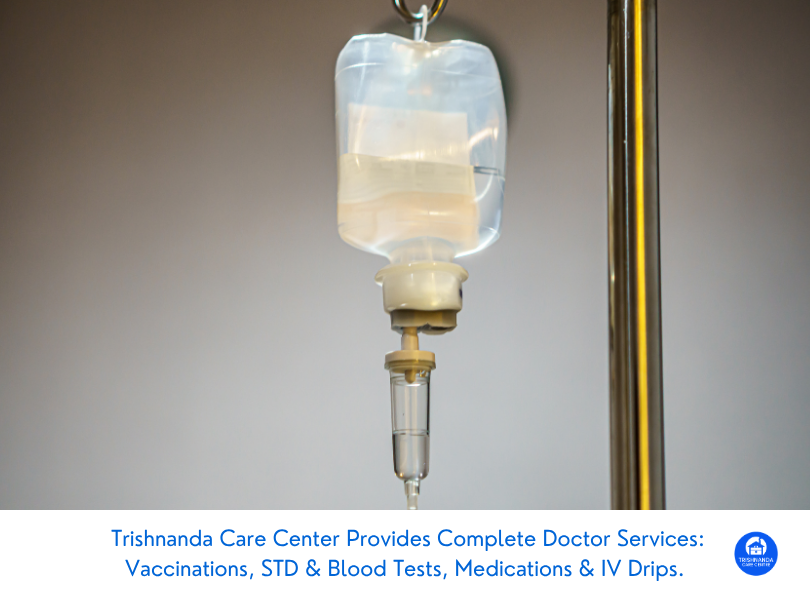
Our nurses are also equipped to deliver rapid IV therapies onsite including hydration support if oral intake isn’t tolerated due to vomiting/diarrhea or specialized care such as Bali Belly treatment packages tailored for fast recovery from traveler’s diarrhea.
Lab tests like dengue NS1 antigen panels can also be performed inside your villa if needed avoiding stressful trips outside while sick.
Step 4: Follow Your Medical Provider’s Advice Closely
Adhere strictly to any prescribed medication regimens; complete full antibiotic courses if given; continue recommended supportive care such as rest/hydration/electrolyte replacement until fully recovered before resuming normal vacation activities.
Why Timely Medical Intervention Matters on Resort Holidays
Rapid access to professional healthcare can mean the difference between a brief setback and a disrupted holiday or worse complications requiring hospital admission. International travelers face heightened risk from unfamiliar pathogens that can progress more quickly than at home due to lack of immunity and environmental stressors like heat/dehydration.
Delaying treatment increases risks:
• Untreated dehydration can result in kidney complications or severe weakness/fainting episodes.
• Dengue fever needs prompt monitoring due to risk of hemorrhagic complications especially within first days.
Resort clinics may not always be open overnight and language barriers further delay effective intervention. Trusted mobile healthcare services bridge this gap by providing immediate bedside evaluation/treatment with full transparency regarding diagnosis/care plan in fluent English so you feel fully supported even far from home.
Trishnanda Care Centre: Your Partner for Safe Holidays in Kuta
Trishnanda Care Centre stands apart as Bali’s leading mobile clinic service dedicated exclusively to travelers’ needs in resort areas like Kuta:
• 24/7 doctor-on-call & nurse visits: Immediate access regardless of hour no waiting rooms required.
• English-speaking professionals: Clear communication every step of the way.
• In-villa lab tests: Dengue panels/CBCs/STD screening without ever leaving your accommodation.
• Mobile IV therapies: Hydration/Bali Belly/Immunity/Hangover support delivered bedside for rapid symptom relief.
• Free island-wide delivery: All medications/supplies brought directly where you need them across Bali including outlying resorts at no extra charge.
• No hidden transport fees: Transparent pricing designed around traveler comfort/safety so you never worry about surprise bills after treatment.
Our goal is simple: ensure every guest enjoys their Bali escape with peace of mind knowing expert help is only ever a call away no matter what hour illness strikes.
Enjoying Your Kuta Resort Vacation Safely
A little preparation goes a long way toward minimizing health risks during your stay in Bali’s vibrant resort districts and knowing how to act quickly when illness occurs ensures a smoother recovery so you don’t miss out on precious holiday moments.
Should any urgent needs arise even long after sunset Trishnanda Care Centre is ready with fast-response medical teams specializing in traveler care at all hours across central Bali including Kuta resorts. If you’re currently unwell or want proactive advice ahead of your trip contact us anytime via WhatsApp for immediate consultation or booking:
Contact Trishnanda Care Centre on WhatsApp
Disclaimer:
This content is for general information only and does not constitute medical advice. Always consult a qualified healthcare professional for personalised diagnosis and treatment.