
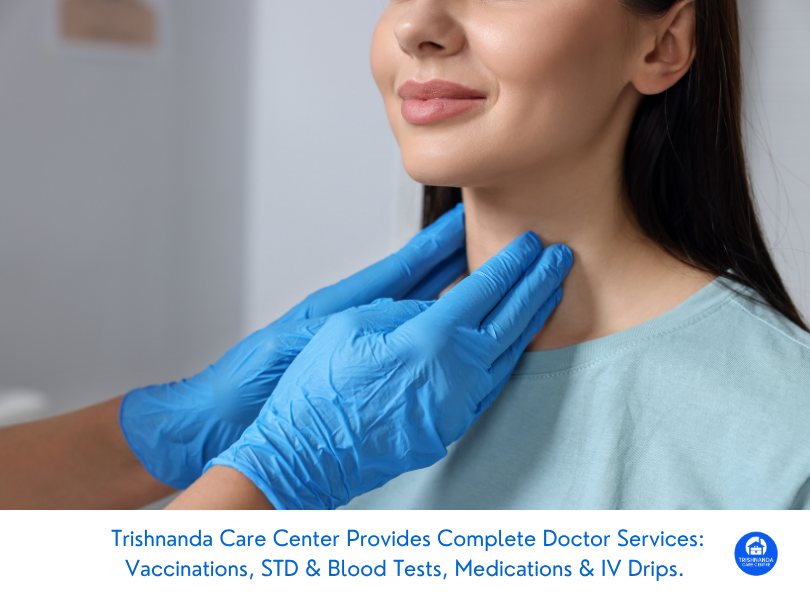
Bali’s Tabanan regency is renowned for its breathtaking rice terraces, lush jungles, and eco-conscious villas nestled far from the hustle of the tourist hotspots. For travelers seeking tranquility, these remote accommodations are a dream come true. However, when it comes to urgent or even routine medical care, distance can quickly become a challenge. At Trishnanda Care Centre, we understand the unique healthcare needs of travelers and residents in Tabanan’s remote areas. Our mission is to ensure that no matter how secluded your eco-villa may be, world-class medical help is always within reach.
The Science Behind Travel Health Risks in Remote Bali
Understanding Environmental and Infectious Hazards
Bali’s tropical climate, lush vegetation, and rural infrastructure create an environment where certain health risks are more prevalent. Scientific studies have shown that warm and humid conditions increase the proliferation of pathogens such as bacteria, viruses, and parasites (CDC, 2023). This risk is amplified in rural areas where access to clean water or modern sanitation may be limited.
Waterborne Diseases
Waterborne illnesses remain a leading cause of traveler discomfort in Bali. “Bali Belly” (traveler’s diarrhea) is usually caused by ingesting contaminated food or water containing bacteria (such as E. coli), viruses (such as norovirus), or parasites (such as Giardia). The World Health Organization (WHO) estimates that up to 30% of international travelers develop some form of traveler’s diarrhea. Symptoms typically include abdominal cramps, diarrhea, vomiting, and if left untreated can lead to dehydration.
Vector-Borne Diseases
Rural Tabanan has abundant rice paddies and forested areas that are natural breeding grounds for mosquitoes. Dengue fever is endemic to Bali and tends to spike during the rainy season (November–March). According to Indonesia’s Ministry of Health, dengue transmission is highest in areas with standing water and lush vegetation exactly the features that make Tabanan so beautiful.
Skin Infections and Wounds
With outdoor activities like hiking, cycling, or even casual strolls through rice fields, minor injuries are common. In tropical climates, wounds are more susceptible to infection due to higher humidity and a greater presence of environmental bacteria.
Food Intolerances & Allergic Reactions
Trying new foods is part of the Bali experience. However, unfamiliar ingredients can trigger allergic reactions or worsen underlying intolerances. Cross-contamination in local kitchens can be a concern for those with severe allergies.
Prevention: Practical Health Tips for Remote Villa Stays
Safe Food & Water Practices
• Drink Only Bottled or Filtered Water: Opt for sealed bottled water or use portable water filters approved by reputable agencies.
• Avoid Ice Unless Sure: Only consume ice made from purified water.
• Wash Fruits & Vegetables: Peel fruit yourself; wash raw produce with safe water.
• Be Selective With Street Food: Eat from busy stalls where food turnover is high; avoid pre-prepared dishes sitting out at room temperature.
Dengue & Mosquito Protection
• Use Repellents: Apply insect repellents containing DEET or picaridin.
• Wear Protective Clothing: Light-colored long sleeves and pants minimize bites.
• Sleep Under Nets: Especially important if your villa is open-air or lacks full screens.
• Eliminate Standing Water: Check your accommodation for uncovered water containers mosquitoes breed here.
General Injury Prevention
• Footwear Matters: Wear sturdy shoes when exploring outdoors.
• First Aid Readiness: Keep a small kit with antiseptic wipes, plasters, bandages, and oral rehydration salts.
• Be Sun Smart: Use broad-spectrum sunscreen; tropical sun can burn quickly.
Allergy Awareness
• Communicate Dietary Needs Early: Let villa staff know about any allergies well in advance.
• Carry Emergency Medication: Travelers with severe allergies should bring antihistamines or an epinephrine auto-injector.
Vaccinations & Preventive Medications
Prioritize recommended travel vaccinations before arrival in Bali. Hepatitis A/B, typhoid, Japanese encephalitis (for extended stays), and routine immunizations are important. Malaria risk is low in most parts of Bali but consult with a travel medicine specialist regarding prophylaxis if visiting neighboring islands.
Local Risk Factors Unique to Tabanan
Rural Infrastructure & Isolation
Tabanan’s charm lies in its remoteness but this also means fewer nearby healthcare facilities compared to Canggu or Seminyak. Roads can be narrow or unpaved; mobile phone signals may be weaker in some valleys or jungle areas.
Language Barriers
While villa staff often speak English well, accessing local clinics may involve language challenges which complicate medical consultations and treatments.
Environmental Hazards
The natural beauty also brings risks:
• Rice Terraces & Slippery Paths: Especially during rainy months
• Wildlife Encounters: Insects and occasionally snakes near forested zones
• Limited Pharmacies: Fewer options for over-the-counter medications; supplies may not always be current or reliable
What To Do When You Need Medical Help in Remote Tabanan
Immediate Steps If You Feel Unwell
• Assess Severity
For severe symptoms (shortness of breath, chest pain, persistent high fever), seek help immediately.
For minor issues (mild diarrhea, insect bites), begin basic first aid.
• Contact Trishnanda Care Centre
Our doctor-on-call service operates 24/7 across central Bali regions including Tabanan.
English-speaking medical professionals will triage your case via WhatsApp or phone call to determine urgency and dispatch support promptly.
• Prepare Your Location Details
Share your exact villa address plus Google Maps pin if possible.
Mention any access restrictions (private roads, gates) so our team arrives without delay.
• Stay Hydrated
Especially important if experiencing vomiting or diarrhea; dehydration can set in quickly in hot climates.
• Isolate If Contagious
If you suspect something infectious (fever with rash or severe stomach upset), minimize contact with others until you’re assessed by our team.
How Trishnanda Care Centre Brings Medical Care Directly To You
24/7 Mobile Healthcare—No Extra Transportation Fees
We recognize that time lost navigating rural roads could be critical during a medical emergency. That’s why our mobile clinic model ensures:
• On-demand visits by doctors and nurses at any hour
• No hidden fees for reaching remote locations
• Free island-wide delivery for medication refills and medical supplies
Hospital-Grade Treatments In Your Villa
Our teams bring portable equipment and supplies:
• Intravenous therapies for hydration, immunity support, food intolerance relief, dengue management, hangover recovery and more
• On-site rapid diagnostics including dengue NS1 antigen test plus full blood count (CBC), thyroid panels, STD screening
• Vital signs monitoring (blood pressure, oxygen saturation)
• Wound care kits for cuts, scrapes or minor burns
• Prescriptions delivered directly to your door at no additional cost
By bringing these resources directly into your eco-villa environment—even alongside rice fields—we bridge the healthcare gap between urban hospitals and rural escapes.
Common Conditions We Treat In-Villa and What To Expect Next
Acute Gastrointestinal Illness (“Bali Belly”)
If you develop symptoms of traveler’s diarrhea:
• Our doctor will conduct a clinical assessment including hydration status
• IV fluids plus targeted anti-nausea medication are administered if needed
• Laboratory testing may be offered if symptoms persist beyond 48 hours
• Follow-up care includes dietary advice tailored to local food availability
For more information on prevention and treatment options see our dedicated Bali Belly advice page.
Dengue Fever & Mosquito-Borne Illnesses
Early intervention is critical:
• Rapid testing for dengue available on arrival
• IV fluids help prevent dangerous dehydration
• Monitoring for warning signs such as persistent vomiting or bleeding gums
For at-risk cases we provide ongoing observation until symptoms improve.
Allergic Reactions & Food Intolerance Management
Whether it’s sudden hives after eating unfamiliar foods or chronic digestive upset:
• Immediate administration of antihistamines or corticosteroids if required
• Food intolerance IV therapy available to speed recovery from severe symptoms
• Guidance on safe food choices at local warungs or markets
Minor Injuries & Wounds
Prompt wound cleaning reduces infection risk:
• Thorough cleaning plus sterile dressings applied by nurse
• Oral antibiotics prescribed if indicated by wound type or environmental exposure
• Follow-up checks as wounds heal right from your villa terrace
Recovery Steps After Illness Or Injury In Rural Bali
Hydration & Nutrition Support
After gastrointestinal illness or dengue fever:
• Continue oral rehydration solutions as advised by our doctors
• Eat simple bland foods (rice porridge/congee) until fully recovered
• Avoid spicy/fried foods until gut health stabilizes
Rest & Gradual Return To Activities
The tropical heat can slow recovery:
• Rest indoors during peak midday heat whenever possible
• Gradually resume light activities after symptoms resolve completely
• Rehydrate before venturing outside again carry bottled water at all times
Monitor For Warning Signs Requiring Further Medical Attention
Contact us immediately if you experience:
• Persistent vomiting/inability to keep liquids down
• High fever lasting more than 48 hours
• New rashes or bleeding
• Breathing difficulties
Our team provides daily telemedicine check-ins after each villa visit so you’re never left wondering about next steps even in remote settings.
Book Your In-Villa Medical Visit Today
Experience peace of mind wherever you are in Bali contact Trishnanda Care Centre on WhatsApp any time for immediate support:
This content is for general information only and does not constitute medical advice. Always consult a qualified healthcare professional for personalised diagnosis and treatment.