
Understanding Dengue: The Medical Science
What Is Dengue Fever?
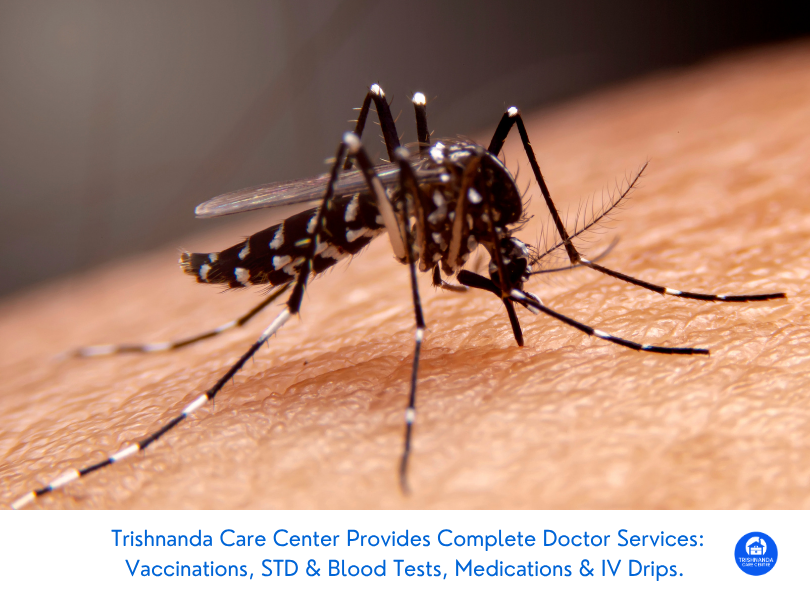
Dengue fever is an acute viral infection transmitted primarily by the Aedes aegypti mosquito. It is caused by one of four distinct but closely related viruses (DENV-1, DENV-2, DENV-3, DENV-4), all members of the Flaviviridae family. A person can be infected with dengue multiple times, each by a different serotype, which raises the risk for more severe forms of the disease.
How Does Dengue Spread?
The Aedes mosquito is most active during daylight hours and breeds in stagnant water commonly found around homes and villas open containers, flowerpots, and even puddles after rainfall. When a mosquito bites a person infected with dengue virus, it becomes a carrier within 8–12 days. It can then transmit the virus to others through subsequent bites.
What Happens Inside Your Body?
After being bitten by an infected mosquito, symptoms typically appear within four to ten days. The dengue virus enters the bloodstream and begins to replicate rapidly. The immune system responds with a surge of cytokines and other inflammatory mediators, leading to high fevers, severe muscle and joint pain (hence the nickname “breakbone fever”), headache (often centered behind the eyes), nausea, vomiting, rash, and in some cases mild bleeding (such as nose or gum bleeds).
Severe dengue (also called dengue hemorrhagic fever or dengue shock syndrome) can develop in a small percentage of patients. This form is life-threatening and characterized by plasma leakage, fluid accumulation, respiratory distress, severe bleeding, or organ impairment.
Why Does It Hurt So Much?
The intense bone and muscle pain results from both direct viral effects on tissues and the body’s inflammatory response. This pain distinguishes dengue from many other tropical fevers and can leave patients bedridden for several days.
Bali’s Local Risk Factors: Why Are Travelers Vulnerable?
Year-Round Mosquito Activity
Bali’s tropical climate means warm temperatures and high humidity year-round ideal conditions for Aedes mosquitoes. The rainy season (typically November to March) increases breeding sites due to more standing water around homes and public spaces.
Urbanization & Tourist Hotspots
High population density and rapid development in popular areas like Canggu, Seminyak, Ubud, and Kuta contribute to more man-made mosquito breeding sites. Villas with lush gardens or water features are particularly attractive environments for Aedes mosquitoes.
Lack of Immunity in Travelers
Most international travelers have not been exposed to dengue before visiting Bali. This lack of immunity means symptoms may be more pronounced compared to local residents who may have partial immunity from previous infections.
Recognizing Dengue Symptoms Early
Early recognition is crucial to prevent complications. The classic symptoms include:
• Sudden onset high fever (often above 39°C / 102°F)
• Severe headache (especially behind the eyes)
• Intense muscle and joint pains
• Nausea or vomiting
• Skin rash (may appear after 2–5 days)
• Mild bleeding manifestations (gums or nosebleeds)
• Profound fatigue
Symptoms typically last 5–7 days but fatigue may persist for weeks after recovery.
Warning Signs Requiring Urgent Medical Attention
Severe abdominal pain, persistent vomiting, rapid breathing, bleeding under the skin or from mucous membranes, confusion or irritability are warning signs that require immediate evaluation by a healthcare professional.
Medical Diagnosis: At Your Villa
Prompt diagnosis improves outcomes. At Trishnanda Care Centre, our in-villa lab tests include both rapid NS1 antigen tests for early detection of dengue and complete blood counts (CBC) to monitor platelet levels an essential marker for potential complications. No need to leave your villa; our mobile team brings diagnostics directly to you with no extra charge for transportation.
Managing Dengue Symptoms: Your Comprehensive In-Villa Care Guide
There is currently no specific antiviral treatment for dengue. Supportive care is the mainstay of managementfocused on relieving symptoms and preventing complications.
Rest & Hydration Are Essential
Why Hydration Matters
Dengue causes significant fluid loss through fever, sweating, vomiting, or poor oral intake due to nausea. Dehydration increases risk for severe complications such as shock. Aim for frequent sips of water or oral rehydration solutions even if you don’t feel thirsty.
IV Fluids for Severe Cases
For those struggling with oral intake due to vomiting or profound weakness, Trishnanda Care Centre’s mobile Dengue IV therapy delivers fluids directly to your bloodstream rapidly improving hydration status without leaving your bed.
Medications: What’s Safe And What’s Not
• Paracetamol (acetaminophen) is recommended for reducing fever and relieving pain.
• Avoid non-steroidal anti-inflammatory drugs (NSAIDs) like ibuprofen and aspirin as these increase bleeding risk.
• Antibiotics are not effective against viruses like dengue unless there’s evidence of secondary bacterial infection.
Never self-medicate with any drugs not prescribed by a healthcare professional; always consult with an experienced doctor before taking new medications.
Monitoring Platelets & Warning Signs
Dengue often leads to reduced platelet count (thrombocytopenia), increasing bleeding risk. Regular blood monitoring helps track disease progression and guides decisions about escalation of care if needed. Our mobile team can repeat blood tests right at your villa as required.
Nutritional Support
Eating may be difficult due to nausea but try small frequent meals rich in easy-to-digest carbohydrates (rice porridge or bananas), lean proteins (chicken soup), and electrolyte-rich fluids (coconut water). Avoid spicy or oily foods which may upset your stomach further.
Prevention: Protecting Yourself Before And During Your Stay
Preventing mosquito bites remains the cornerstone of dengue control.
Practical Steps For Villa Living
Eliminate Breeding Sites
• Empty standing water from flowerpots, buckets, birdbaths, vases
• Cover water storage containers tightly
• Clean roof gutters regularly
• Change pet water bowls daily
Personal Protection Measures
• Apply an effective insect repellent containing DEET (20–30 percent), picaridin or IR3535 on exposed skin during day and evening hours.
• Wear long-sleeved shirts and long pants whenever possible.
• Use light-colored clothing as mosquitoes are attracted to dark colors.
• Sleep under mosquito nets if your room isn’t fully sealed
• Keep windows and doors screened; use air conditioning when available.
Room-Based Mosquito Control
• Use plug-in repellents or vaporizing mats indoors.
• Consider using portable mosquito coils on patios/outdoor areas.
These measures are especially important during dawn and dusk when Aedes mosquitoes are most active.
Community Health Strategies in Bali
Local health authorities frequently fog high-risk areas but individual vigilance in villas remains essential as fogging does not reach every private space.
Traveling With Children Or Vulnerable Groups
Young children, pregnant women, elderly individuals, or those with chronic illnesses need extra vigilance as they may be at higher risk for complications. Early consultation with healthcare providers is advised if anyone in these groups develops possible dengue symptoms while in Bali.
Recovery: What To Expect And How To Support Healing
Most people recover fully from uncomplicated dengue within two weeks but lingering fatigue (“post-dengue asthenia”) can persist for several more weeks.
Steps To Aid Recovery At Home Or Villa
Continue Hydration And Nutrition
Keep up fluid intake even after fever resolves; dehydration may still occur during recovery phase.
Gradual Return To Activity
Start slowly; listen to your body’s signals as overexertion can set back recovery. Expect some weakness or mood changes it’s normal after a systemic viral illness.
Monitor For Late Complications
Occasionally mild hair loss or skin peeling occurs a few weeks after infection these are self-limiting side effects that will resolve on their own.
Follow-Up Medical Checks
If you experienced severe symptoms or had low platelet counts during illness, a follow-up check with your doctor can help ensure all laboratory values return to normal range before resuming strenuous activities such as surfing or hiking popular Bali trails.
When To Seek Help: Expert Mobile Care On Call In Bali
If you’re experiencing persistent vomiting, severe abdominal pain, difficulty breathing or any signs of confusion reach out immediately for assessment. Trishnanda Care Centre offers 24/7 doctor-on-call service with English-speaking doctors and nurses ready to visit you anywhere in central Bali at any hour so you never have to worry about language barriers or navigating traffic while unwell.
We also offer Doctor-on-Call consultations which include personalized assessment and recommendations tailored specifically to your needs during your stay whether it’s confirming a diagnosis through mobile lab tests or providing advanced supportive care without leaving your villa retreat.
With free island-wide delivery, our team brings all medications, IV fluids (hydration IV therapy), medical equipment even comfort supplies right to your door without any extra cost for transportation across Bali’s main tourist regions.
Proactive Health: What You Can Do Before You Travel To Bali
Before traveling:
• Consult your doctor about relevant travel vaccinations; while there is no commercially available vaccine for travelers yet widely available in Indonesia as of early 2024 (Dengvaxia has limited indications), other vaccines such as hepatitis A/B and typhoid are recommended.
• Stock up on DEET-based repellents before departure; these may be harder to find locally.
• Download Trishnanda Care Centre’s contact information so you have direct access if health concerns arise during your trip.
If you’re planning an extended stay in Bali or have special health concerns such as pregnancy or immunocompromised status consider scheduling a pre-travel consultation with our mobile medical team so we can advise on tailored precautions based on current local health alerts.
Why Choose Trishnanda Care Centre For Dengue Support In Bali?
Our commitment at Trishnanda Care Centre goes beyond standard care—we aim for peace-of-mind care:
• 24/7 English-speaking doctors & nurses: Immediate expert help whenever you need it
• Mobile lab diagnostics: Including rapid NS1 antigen tests & CBC at home
• IV therapy packages: Customized dengue hydration support delivered directly to your villa
• Zero transport fees: Wherever you are across central Bali
• Free island-wide medicine delivery: Fast access to all essentials while you recover
• Seamless WhatsApp booking: Quick responses so help is never out of reach
Don’t let health worries overshadow your time on this beautiful island our team stands ready so you can focus on getting better without added stress.
Get Immediate Help With One Click
If you suspect dengue or any other health concern is affecting your Bali stay,
reach out now via WhatsApp: Chat with our medical team
We’re available 24/7 across central Bali to bring comfort directly to your villa door wherever you are staying.
This content is for general information only and does not constitute medical advice. Always consult a qualified healthcare professional for personalised diagnosis and treatment.