
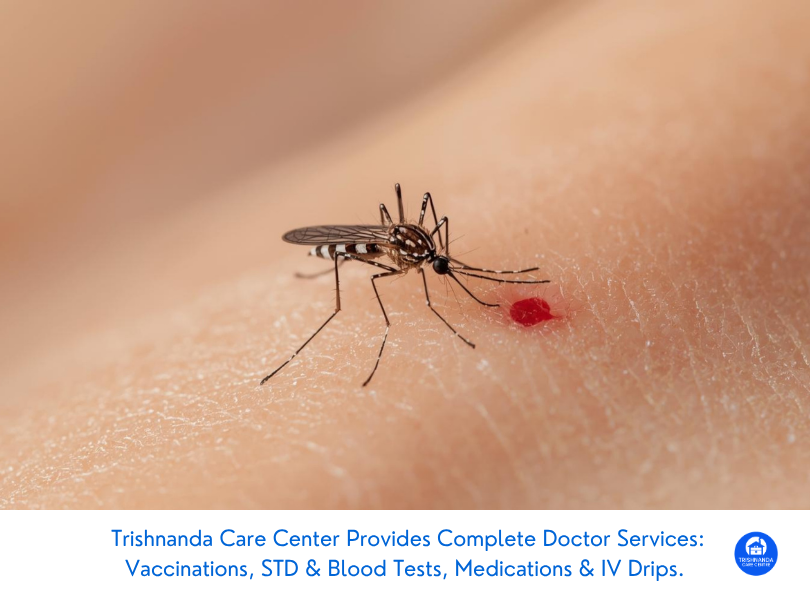
Dengue fever is a persistent health concern in Bali, affecting both locals and travelers year-round. While many visitors assume that the dry season brings a reprieve from mosquito-borne illnesses, the reality is more complex. Every August, as Bali enters its driest months, cases of dengue persist and sometimes surge unexpectedly. Understanding why mosquitoes remain active during the dry season and how to protect yourself can make a significant difference to your health and travel experience.
This comprehensive update explores the scientific reasons behind dengue’s resilience in Bali’s dry season, actionable prevention tips, local risk factors, and effective recovery strategies if you or your loved ones fall ill. Whether you’re a first-time visitor or a Bali resident, staying informed is your first defense.
The Science Behind Dengue Fever in Bali
What Is Dengue Fever?
Dengue fever is a viral infection caused by the dengue virus (DENV), transmitted primarily by the Aedes aegypti and Aedes albopictus mosquitoes. According to the World Health Organization (WHO), dengue is one of the fastest-growing mosquito-borne viral diseases globally. Symptoms typically appear 4–10 days after being bitten and include:
• Sudden high fever
• Severe headaches
• Pain behind the eyes
• Joint and muscle pain
• Skin rash
• Mild bleeding (such as nose or gum bleeding)
Severe cases can develop into dengue hemorrhagic fever or dengue shock syndrome, which require immediate medical attention.
Why Mosquitoes Survive and Thrive During Bali’s Dry Season
It’s a common misconception that mosquitoes disappear when the rains stop. In reality, Aedes mosquitoes have adapted to survive and even thrive during Bali’s dry season for several reasons:
Adaptable Breeding Habits
Aedes mosquitoes breed in stagnant water. In wet season, this is abundant. During dry months, however, water storage practices become essential in Balinese homes and accommodations. Uncovered buckets, tanks, flower pots, or even discarded plastic containers can collect enough rainwater or household wastewater to create ideal mosquito breeding grounds.
Urbanization and Water Storage
Increasing urbanization means more artificial containers around homes and businesses. In the absence of rain, people store water for daily use unknowingly providing mosquitoes with protected breeding sites that remain undisturbed during dry months.
Mosquito Egg Resilience
Aedes eggs are remarkable for their ability to withstand desiccation (drying out) for several months. Eggs laid on damp surfaces can survive through dry periods and hatch when water becomes available even after weeks of drought.
Microclimates Within Bali
Bali’s microclimates vary from coastal areas to upland villages. Certain regions retain higher humidity and pockets of standing water year-round, especially around rivers, rice fields, or poorly drained urban zones. These microclimates allow mosquitoes to continue breeding even in August.
Dengue Virus Transmission Cycle
The cycle begins when a mosquito bites an infected person during their viremic phase (the period when the virus circulates in their blood). The virus incubates inside the mosquito for about 8–12 days before it can be transmitted to another human via bites. Since human hosts are mobile and mosquitoes are adaptive, outbreaks can persist through changing seasons.
Local Risk Factors: Why Travelers Are Especially Vulnerable
Environmental Factors Unique to Bali
Bali’s warm tropical climate supports mosquito activity year-round. Even during August’s driest weeks, daytime temperatures are ideal for Aedes mosquitoes—who are notorious for biting during daylight hours (especially early morning and late afternoon).
Many popular tourist destinations including Ubud’s rice terraces, Seminyak’s lush villa gardens, and Canggu’s wetlands harbor undetected breeding sites just steps from major resorts and private villas.
Behavioral Risks for Visitors
Travelers often spend extended periods outdoors sightseeing, swimming, dining al fresco, or relaxing in open-air accommodations all of which increase exposure to mosquito bites. Additionally:
• Villas with open windows/doors or outdoor showers/gardens may lack adequate screens.
• Many visitors do not use insect repellent consistently.
• Some may not recognize early dengue symptoms or seek prompt medical care due to language barriers or unfamiliarity with local healthcare systems.
Community Transmission Patterns
Dengue outbreaks often follow cycles linked to previous exposure within communities. When a cluster of susceptible individuals gathers such as tourists from non-endemic countries the risk of localized transmission rises if an infected person introduces the virus.
Actionable Dengue Prevention Tips for Bali Travelers
Your best protection against dengue is preventing mosquito bites and reducing exposure where possible. Here are evidence-based strategies recommended by global health authorities:
Use Effective Mosquito Repellents
Apply EPA-approved insect repellents containing DEET (20–30 percent), picaridin, IR3535, or oil of lemon eucalyptus on all exposed skin every day especially during times when mosquitoes are most active (morning and late afternoon). Reapply after swimming or sweating.
Wear Protective Clothing
Opt for long-sleeved shirts, long pants, socks, and closed shoes when possible. Light-colored clothing is less attractive to Aedes mosquitoes than dark colors.
Choose Safe Accommodation Features
When booking villas or hotels:
• Check for window screens and intact door seals.
• Use air conditioning if available.
• Sleep under a mosquito net in unscreened rooms.
• Request regular room inspections for stagnant water sources.
Eliminate Standing Water Around Your Space
Ask your accommodation staff to:
• Empty buckets, plant saucers, pet bowls daily.
• Cover water storage containers tightly.
• Clear gutters and roof drains.
• Discard unused tires or containers that collect rainwater.
Protect Children and Vulnerable Adults
Children under 15 years are at higher risk for severe dengue complications. Use child-safe repellent formulations as directed and ensure sleeping areas are well protected.
Consider Travel Health Consultation Before Arrival
Consult your healthcare provider before traveling to Bali to discuss personal risk factors (such as pregnancy or chronic illness) and review updated recommendations on dengue prevention. For added peace of mind while in Bali, Trishnanda Care Centre offers convenient doctor-on-call services with English-speaking doctors who can provide personalized advice at your accommodation 24/7.
What To Do If You Suspect Dengue Fever in Bali
Despite best efforts, dengue infections still occur especially in peak transmission periods like August. Early recognition of symptoms makes a difference in recovery outcomes.
Recognizing Early Warning Signs
If you develop:
• Sudden high fever
• Severe headache or eye pain
• Muscle/joint aches
• Nausea/vomiting
• Skin rash (typically appears 3–4 days after fever onset)
seek immediate medical assessment rather than self-treating with over-the-counter medications.
Important: Do not take non-steroidal anti-inflammatory drugs (NSAIDs) like ibuprofen or aspirin if you suspect dengue; these increase bleeding risk. Paracetamol (acetaminophen) is generally recommended for fever management unless otherwise advised by a healthcare professional.
Accessing Medical Care in Bali
Prompt diagnosis helps guide management and reduces complications. Trishnanda Care Centre provides mobile in-villa lab tests such as dengue NS1 antigen tests and complete blood counts (CBC), so you don’t need to travel while feeling unwell. This service ensures rapid results from qualified professionals at your doorstep no extra transport fees required.
English-speaking doctors and nurses are available around the clock for central areas in Bali via our doctor-on-call service. This means you can access expert care without navigating language barriers or unfamiliar clinics.
Recovery Steps: Managing Dengue Safely at Home or Villa
Most cases of dengue can be managed safely outside hospital settings with proper monitoring and supportive care:
Key Principles of Home Management
Stay Hydrated
High fever increases fluid loss; dehydration is a leading cause of complications in dengue patients. Drink plenty of water, oral rehydration solutions (ORS), clear soups, or electrolyte beverages frequently even if you do not feel thirsty.
For those struggling with oral intake due to nausea/vomiting or at higher risk due to underlying conditions consider mobile hydration IV therapy provided by Trishnanda Care Centre nursing teams directly at your villa for safe rehydration support.
Monitor Warning Signs Closely
Seek urgent medical attention if you experience:
• Persistent vomiting
• Severe abdominal pain
• Bleeding gums/nose
• Blood in stools/vomitus
• Rapid breathing/difficulty breathing
• Lethargy/restlessness
These may indicate progression to severe dengue requiring hospitalization.
Rest Adequately
Fatigue is common and may last for weeks after acute illness subsides. Prioritize rest and avoid strenuous activity until fully recovered.
Minimize Transmission Risk
Continue using bed nets and repellents while ill; infected individuals can transmit the virus via local mosquitoes for up to seven days after symptom onset.
Seek Medical Review Before Resuming Activities
Before returning to sightseeing or physical activity post-dengue infection, consult your healthcare provider especially if you experienced moderate-to-severe symptoms or have underlying health issues.
Advanced Recovery Support: When IV Therapy Can Help
Some patients benefit from supportive therapies beyond oral fluids alone particularly those experiencing persistent vomiting or unable to maintain adequate oral intake due to gastrointestinal symptoms associated with dengue infection.
Trishnanda Care Centre offers specialized dengue IV therapy designed specifically for rapid rehydration and electrolyte replacement under safe clinical supervision at your villa or hotel room anywhere across Bali. This tailored approach can improve patient comfort while reducing hospitalization rates among mild-to-moderate cases managed at home under medical guidance.
Why Trust Trishnanda Care Centre For Your Health Needs?
As Bali’s trusted mobile healthcare clinic, Trishnanda Care Centre delivers comprehensive care where you need it most whether you’re facing an unexpected illness like dengue fever or simply want peace of mind during your stay:
Our Advantages At-A-Glance:
• 24/7 mobile reach: English-speaking doctors & nurses available day and night across central Bali.
• Island-wide free delivery: All medical supplies including IV packages delivered directly without extra fees.
• In-villa lab tests: Get rapid results for dengue NS1 antigen/CBC without leaving your accommodation.
• No hidden transport costs: You only pay for care not logistics.
• Personalized care: From prevention advice to advanced recovery support tailored to your needs.
For regular updates on our latest promotions including seasonal discounts on IV therapy packages visit our promo page online.
Take Action: Stay Protected This Dry Season
Dengue doesn’t take a holiday just because it’s dry season in Bali and neither should your prevention efforts. By understanding how Aedes mosquitoes persist year-round and taking proactive steps both before arrival and throughout your stay, you’ll significantly reduce your risk while enjoying everything this beautiful island has to offer.
This content is for general information only and does not constitute medical advice. Always consult a qualified healthcare professional for personalised diagnosis and treatment.