
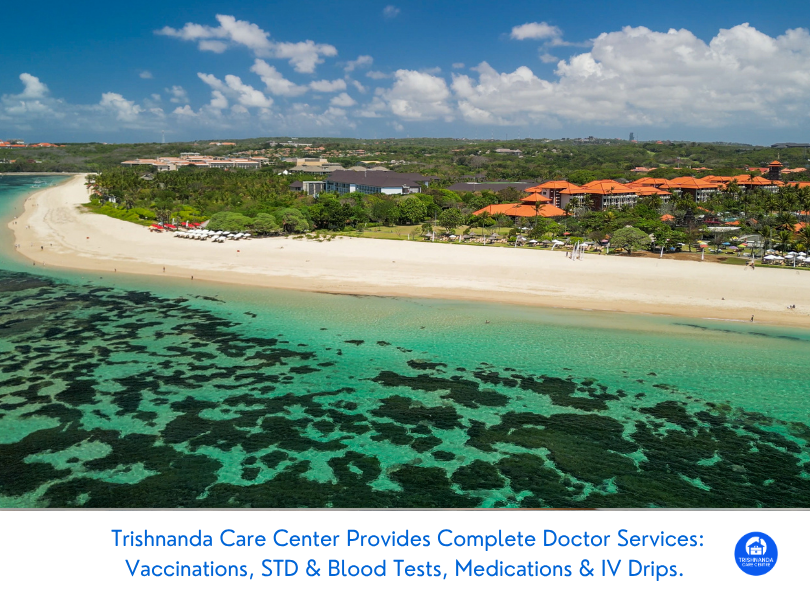
The Changing Landscape of Bali’s Luxury Retreats
Bali’s Uluwatu region has become synonymous with luxury cliff-side villas, attracting travelers in search of privacy, dramatic ocean views, and a sense of escape from the everyday. These secluded retreats offer unparalleled serenity, but their remote locations also present unique healthcare challenges for both residents and visitors. When medical emergencies strike or illness disrupts a holiday, accessing care can be daunting especially when winding roads and steep cliffs separate guests from traditional clinics or hospitals.
Understanding the Medical Risks Unique to Remote Villas
The Science: Why Remote Locations Increase Health Risks
Staying in isolated cliff-top villas brings an elevated risk profile compared to more accessible urban accommodations. The reasons are multifaceted:
• Delayed Emergency Response: Traditional ambulance or hospital-based care can take significantly longer to reach these locations, which may worsen outcomes for time-sensitive conditions such as heart attacks, severe allergic reactions, or trauma.
• Environmental Exposure: Uluwatu’s exposed geography increases risks of heat-related illness, dehydration, sunburn, and even accidents related to steep stairways or uneven terrain.
• Limited Access to Supplies: When ill, guests may find it difficult to access pharmacies or obtain basic medical supplies promptly.
• Gastrointestinal Illnesses: Travelers are exposed to new food and water sources; remote locations often have less oversight over water sanitation and food handling.
• Vector-Borne Diseases: Proximity to tropical vegetation increases exposure to mosquitoes carrying dengue or other illnesses.
Medical Response Times in Remote Areas
According to the World Health Organization, every minute counts during medical emergencies. Delays in treatment for conditions such as myocardial infarction (heart attack) or stroke can significantly increase morbidity and mortality rates. In Bali’s cliff-top regions, these delays are exacerbated by poor road conditions and distance from major hospitals.
Case Studies: Real-world Examples
Several reports from travelers highlight the urgent need for reliable healthcare access in such settings. Cases have included:
• Severe sunstroke requiring intravenous hydration after an afternoon by the villa pool with inadequate shade
• Acute gastroenteritis (“Bali Belly”) following consumption of local seafood
• Injuries sustained from falls on slippery stone steps during rainy season evenings
In each situation, immediate access to professional care can mean the difference between rapid recovery and prolonged illness or worse.
Preventing Illness and Injury in Uluwatu’s Cliff-Side Villas
Travel Health Preparation: What Every Guest Should Do
1. Pre-Travel Vaccinations and Health Checks
Before arriving in Bali, consult with a travel medicine specialist regarding recommended vaccinations (such as hepatitis A, typhoid, and Japanese encephalitis). Checking general health status especially for chronic conditions ensures you’re not at unnecessary risk in remote settings. Our Tests page details comprehensive health checks available both before and during your stay.
2. Hydration and Heat Management
Bali’s climate is hot and humid year-round. Dehydration is a common concern especially when spending time on open terraces or hiking down to hidden beaches. Drink purified water regularly rather than relying on thirst alone; avoid excessive alcohol consumption during peak heat hours.
If symptoms such as dizziness, confusion, or rapid heartbeat occur after sun exposure, prompt hydration therapy may be necessary. Trishnanda Care Centre offers mobile hydration packages delivered directly to your villa for rapid recovery.
3. Food and Water Safety
Foodborne illnesses like “Bali Belly” are common among travelers due to unfamiliar bacteria in local cuisine or contaminated water sources. Prevention tips include:
• Drinking only bottled or filtered water
• Avoiding raw salads unless prepared in reputable kitchens
• Choosing well-cooked meats and seafood
If gastrointestinal symptoms develop such as vomiting or diarrhea seek care early. Rapid intervention with oral rehydration or IV therapy for Bali Belly can prevent complications from dehydration.
4. Mosquito Protection
Dengue fever is endemic in Bali; cases peak during the rainy season (November–March). Use insect repellent containing DEET, wear long-sleeved clothing at dusk/dawn, sleep under mosquito nets if possible, and ensure villa doors/windows are screened.
If fever develops along with severe headache or body aches within two weeks of arrival, seek medical assessment immediately as dengue requires specific management.
5. Safe Movement Around Villas
Cliff-side villas often feature steep stairs and uneven surfaces; rain can make walkways slippery. Wear appropriate footwear (avoid flip-flops on stairs), use handrails when available, and avoid moving about after dark without adequate lighting.
Emergency Preparedness
Every traveler should know:
• The exact address of their villa
• The fastest route out in case of evacuation
• How to contact local emergency services
• The location of first aid kits within the property
Save our WhatsApp number (+62 897 3969 711) for instant access to medical support wherever you are.
Local Risk Factors Specific to Uluwatu Cliff-Drop Villas
Geographical Isolation
Uluwatu’s geography is characterized by steep limestone cliffs separated from main roads by narrow pathways. This isolation is part of its charm but poses risks:
• Ambulances may not be able to access certain properties quickly.
• In case of severe injury or illness at night or during adverse weather conditions (heavy rain can wash out roads), delays become critical.
Infrastructure Variability
Not all villas maintain consistent standards regarding clean water supply, electrical systems (for air conditioning or refrigeration), or food storage all contributing factors to potential health hazards.
Increased Exposure During Peak Seasons
Tourist influx during high season puts added pressure on local clinics; meanwhile, private villa guests may face even longer wait times for off-site care due to demand surges.
Language Barriers
Many villa staff may not speak fluent English; misunderstanding symptoms can delay accurate communication with emergency responders unless professional English-speaking providers like Trishnanda Care Centre are contacted directly.
How Trishnanda Care Centre Bridges the Gap
Mobile Healthcare: Bringing Quality Medical Services Directly to You
Trishnanda Care Centre specializes in delivering high-quality medical care directly to your door even if that door sits atop a cliff overlooking the Indian Ocean. Our services include:
• 24/7 Doctor-On-Call: Immediate access day or night for any health concern ranging from minor illnesses (like colds) to acute emergencies.
• Mobile IV Therapy: Customized IV treatments delivered onsite for hydration, immunity boosting, food poisoning recovery (Bali Belly IV), hangover support, iron supplementation, tattoo after-care, and more.
• In-Villa Lab Tests: Comprehensive blood testing including dengue NS1+CBC panels without leaving your villa.
• Travel Vaccinations: Preventive shots administered at your convenience.
All visits include free transportation costs across Bali including hard-to-reach areas like Uluwatu with no hidden fees.
Fast Response Times Even in Remote Locations
Our team is strategically based across central areas for rapid deployment 24/7 throughout Bali. Each vehicle is equipped with advanced medical supplies so our doctors and nurses can stabilize patients onsite if travel to a hospital becomes necessary.
English-Speaking Staff for Seamless Communication
We understand that clear communication is crucial during medical crises especially under stress in unfamiliar environments. Our team consists of fluent English-speaking doctors and nurses who ensure you understand every step of your diagnosis and treatment plan.
Free Island-Wide Delivery of Medical Supplies & Medications
Need prescription medications or specialized equipment? Trishnanda Care Centre offers free delivery anywhere on the island inclusive of even the most isolated villas in Uluwatu so you never need worry about sourcing essentials when unwell.
Recovery Steps: What To Do If You Get Sick or Injured in a Cliff-Side Villa
Step 1: Assess Severity & Call for Help Immediately
If you experience severe pain, difficulty breathing, heavy bleeding, sudden confusion, chest pain, high fever that won’t resolve with simple medication or if someone loses consciousness contact emergency services first before reaching out to us via WhatsApp.
For less severe but still urgent issues (gastrointestinal upset lasting more than 24 hours; dehydration; minor injuries), book a doctor-on-call consultation immediately so we can assess whether onsite treatment will suffice or if referral/hospitalization is needed.
Step 2: Follow First Aid Protocols While Waiting
Standard first aid guidance applies while awaiting professional help:
• Keep the patient calm and comfortable
• Apply pressure to wounds if bleeding
• Elevate legs for signs of shock
• Use cold packs for heat exhaustion
• Continue oral fluids unless vomiting persists (if so, request IV therapy)
Step 3: Onsite Treatment & Ongoing Monitoring
Our mobile team will arrive equipped for most acute scenarios from IV hydration for dehydration/heatstroke through advanced wound care or injectable medications if required. If further intervention is needed (hospitalization/surgery), stabilization comes first then safe transfer arrangements are coordinated seamlessly.
Following any acute episode:
• Rest until fully recovered
• Complete prescribed medication courses even if symptoms resolve early
• Monitor for warning signs such as persistent fever/abdominal pain/bleeding
Ongoing check-ins via WhatsApp are available so you never feel isolated during recovery even when perched above Uluwatu’s waves.
Why Choose Trishnanda Care Centre?
When planning a stay at one of Uluwatu’s stunning cliff-drop villas or any hard-to-access location across Bali proactive health planning is essential. With Trishnanda Care Centre:
• Professional healthcare comes directly to your villa day or night
• No extra transport costs regardless of location
• All staff speak fluent English for peace-of-mind consultations
• Comprehensive treatments range from preventive vaccination through emergency stabilization
Whether you’re seeking preventative advice before arrival or dealing with an unexpected illness while enjoying your holiday escape, our expertise ensures you have access to world-class care wherever you are on the island.
For immediate assistance or bookings including free island-wide delivery reach out via WhatsApp today.
This content is for general information only and does not constitute medical advice. Always consult a qualified healthcare professional for personalised diagnosis and treatment.