
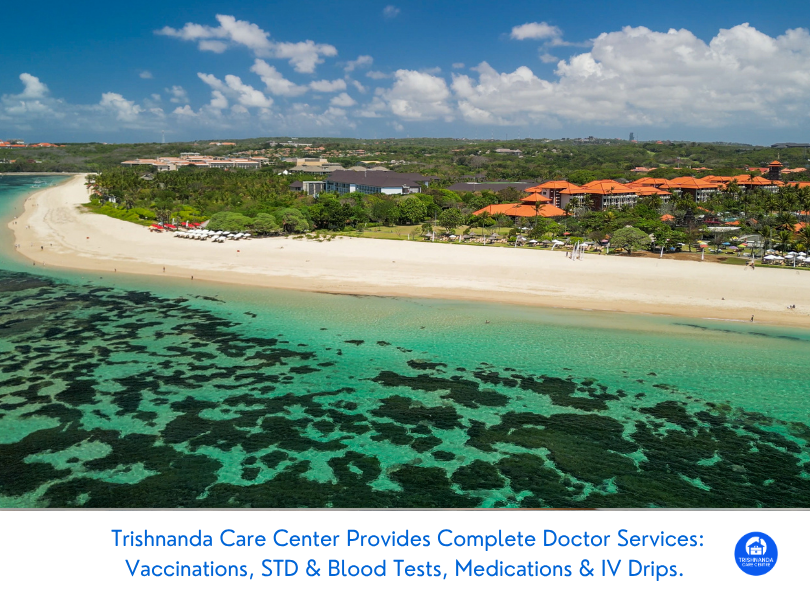
Every August 17th, Indonesia bursts into vibrant celebration, marking its independence with parades, games, and communal festivities. Bali, with its unique blend of culture and hospitality, is one of the most spirited places to experience this national holiday. Travelers and locals alike gather for ceremonies, traditional competitions, and outdoor events across the island from bustling city centers to quiet beach villages. However, while joining these festivities under Bali’s tropical sun is memorable, it poses a real risk for dehydration and heat-related illnesses.
Staying hydrated isn’t just about comfort it’s about safety. At Trishnanda Care Centre, our mission is to help you enjoy every moment of your Balinese adventure while safeguarding your health. In this guide, you’ll find well-researched insights into the science of hydration, practical tips for staying safe during Independence Day celebrations, an overview of local risk factors, and actionable steps to prevent and recover from dehydration.
Experiencing Indonesian Independence Day in Bali
Popular Celebration Spots
Denpasar City
Denpasar hosts large-scale parades and flag ceremonies at Lapangan Puputan Margarana Renon. Expect crowds gathering from early morning as officials raise the red-and-white flag and students perform traditional dances. The city’s humid heat can be intense during these day-long events.
Ubud
Ubud’s community centers and open fields become hubs for unique competitions like panjat pinang (greased pole climbing), sack races, and tug-of-war. These outdoor games involve lots of physical exertion fun but physically taxing under the sun.
Beaches: Seminyak & Sanur
Many resorts along Seminyak or Sanur host concerts, kite-flying contests, and beachside games. The combination of sea breeze and direct sunlight can sometimes mask dehydration symptoms.
Local Villages
Village gatherings offer a more intimate experience with processions, coconut-leaf decorations, and community meals served outdoors.
The Science Behind Hydration in Bali’s Climate
Understanding Bali’s Tropical Conditions
Bali’s average daytime temperatures in August range from 27°C to 32°C with humidity levels often exceeding 80%. Even without strenuous activity, these conditions significantly increase your body’s fluid needs due to:
• Increased perspiration: High humidity prevents sweat from evaporating efficiently, reducing the body’s ability to cool itself.
• Sun exposure: Extended time outdoors increases insensible water loss through both sweat and respiration.
• Physical activity: Festive games or even standing in crowds can elevate your heart rate and fluid turnover.
Why Hydration Matters
Water is essential for nearly every bodily function including regulating temperature, transporting nutrients, lubricating joints, and removing waste. Mild dehydration (loss of 1–2% of body weight as water) can impair cognitive performance and physical coordination critical when navigating crowded events or participating in sports.
Medical Risks of Dehydration
Research from the World Health Organization highlights that even mild dehydration may cause:
• Headaches
• Dizziness or fainting
• Fatigue
• Rapid heartbeat
• Muscle cramps
• Reduced alertness
If left unchecked, severe dehydration can lead to heat exhaustion or heatstroke a medical emergency requiring immediate intervention.
Fluid Loss Is Hard to Notice
In tropical conditions like Bali’s, you may not realize how much fluid you’re losing. Sweat evaporates quickly or is masked by humidity. Alcohol consumption during celebrations further increases the risk by promoting diuresis (increased urination) and suppressing thirst cues.
Local Risk Factors During Independence Day Festivities
Prolonged Outdoor Activities
Independence Day celebrations often involve standing in crowds for hours or participating in competitive games. Both increase sweat rates beyond normal daily activities.
Dress Code & Cultural Norms
Many events encourage wearing red-and-white attire (often synthetic fabrics), which may trap heat compared to loose cotton clothing traditionally worn in tropical climates.
Limited Access to Clean Water
Some venues may not provide easy access to potable water. Buying bottled water during crowded events can also be challenging due to long queues or short supply.
Alcohol & Sugary Drinks
Consuming alcohol or sweetened beverages is common at beach parties or evening concerts. Both contribute to dehydration by increasing urine output or causing blood sugar spikes followed by crashes in energy levels.
Recent Illnesses & Traveler’s Diarrhea
Travelers are at higher risk for gastrointestinal illnesses in Southeast Asia. Episodes of vomiting or diarrhea (such as Bali Belly) rapidly deplete fluids and electrolytes—making it harder to stay hydrated during hot festivities.
Science-Based Strategies: How to Stay Hydrated on Independence Day
Pre-Event Preparation
Start Hydrating Early
Drink 500–700ml of water an hour before heading out. Don’t rely on thirst alone; by the time you feel thirsty in high humidity, mild dehydration has likely already begun (CDC guidelines).
Eat Hydrating Foods
Fruits like watermelon, cucumber, oranges, pineapple, and coconut contain high water content plus vital micronutrients such as potassium—helping maintain electrolyte balance.
Avoid Diuretics Beforehand
Limit caffeine-heavy beverages before attending outdoor events as they may increase urination without adequately hydrating you.
During the Celebrations
Carry a Reusable Water Bottle
Use insulated bottles that keep water cool for hours. Many public venues allow entry with personal bottles fill up whenever possible at safe water stations.
Set Reminders
Set alarms on your phone every 45–60 minutes as a prompt to take a few sips even if you don’t feel thirsty.
Choose Electrolyte Solutions When Needed
If you’re sweating heavily or have recently experienced gastrointestinal issues, supplement plain water with oral rehydration solutions (ORS) containing sodium and potassium. These help replace lost electrolytes more efficiently than water alone.
Limit Alcohol Intake
Alternate alcoholic drinks with equal volumes of water. Consider low-alcohol options if you plan extended sun exposure.
Seek Shade Frequently
Even brief breaks under trees or tents reduce heat load on your body helping regulate temperature and reducing fluid loss through excessive sweating.
After the Event: Recovery Steps
Rehydrate Gradually
Continue sipping fluids after returning indoors rather than chugging large amounts at once (which can upset your stomach).
Eat Balanced Meals
Consume foods rich in sodium (soups), potassium (bananas), and magnesium (leafy greens) to replenish electrolytes lost through sweat.
Monitor Urine Color
Pale yellow urine usually indicates adequate hydration; dark yellow or amber suggests you need more fluids.
Treat Early Signs Promptly
If you develop headache, dizziness, fatigue or muscle cramps after festivities rest in a cool area and increase fluid intake immediately.
What To Do If You Suspect Dehydration: Medical Guidance in Bali
Despite best efforts, dehydration can develop quickly under Bali’s tropical sun especially if combined with physical exertion or alcohol intake. Recognizing symptoms early is crucial:
• Excessive thirst
• Dry mouth/lips
• Minimal urination (or very dark urine)
• Rapid pulse/heart rate
• Weakness/confusion
If symptoms do not improve after drinking fluids or are accompanied by vomiting/diarrhea seek medical attention promptly. In some cases (especially for travelers who may also be experiencing foodborne illness), oral rehydration might not suffice due to ongoing losses or inability to keep fluids down.
Professional Mobile Healthcare Support
Trishnanda Care Centre specializes in rapid-response care for tourists and residents across Bali. Our hydration IV therapy delivers balanced fluids directly into your bloodstream for fast recovery from moderate-to-severe dehydration. This is especially valuable if you’re experiencing symptoms that prevent effective oral rehydration or if you need rapid improvement before resuming your plans.
Our English-speaking doctors and nurses are available 24/7 throughout central areas of Bali including Denpasar, Ubud, Seminyak, Sanur and we offer free island-wide delivery for all mobile services and medications prescribed by our healthcare professionals. There are no extra transportation fees for house calls or prescription drop-offs at your villa or hotel.
If you’re unsure whether your symptoms require professional intervention or need advice on hydration strategies tailored for children, seniors, or those with chronic illnesses you can reach out directly via our Doctor-on-Call service any time of day or night.
Prevention Tips Tailored for Travelers & Expats
For Families with Children
Children are more susceptible to rapid fluid loss due to their higher surface-area-to-body-mass ratio. Encourage regular drinking even small sips and provide hydrating snacks like fruit slices throughout the day. Watch closely for signs such as lethargy or irritability during outdoor activities.
For Older Adults & Those With Chronic Conditions
Older adults may have a reduced sense of thirst. If you take medications such as diuretics or have conditions like diabetes or kidney disease consult a healthcare provider before traveling regarding individualized hydration targets.
For Those Recovering from Recent Illnesses
If you’ve recently had Bali Belly or another gastrointestinal illness, your hydration needs are higher than average even after symptoms have resolved. Consider packing ORS sachets from home or purchasing them locally before large public gatherings.
Special Considerations: Alcohol & Hydration at Festive Events
Alcohol remains a common part of many Independence Day evening gatherings along Bali’s beaches. Medical studies confirm that consuming alcohol while exposed to direct sun increases both fluid loss (via increased urination) and impairs judgment regarding when enough is enough a double risk factor for dehydration emergencies.
Actionable Alcohol Safety Tips
• Drink slowly; set limits before arriving.
• Alternate each alcoholic beverage with a glass of water.
• Avoid binge drinking especially when engaged in physical games.
• Recognize early warning signs: dizziness after alcohol could indicate dehydration rather than intoxication alone.
• If hangover symptoms develop the next day consider specialized hangover IV therapy for rapid symptom relief so you can get back to enjoying your holiday safely.
Why Choose Trishnanda Care Centre?
Your health should never be an afterthought during special occasions abroad. Trishnanda Care Centre stands out by offering:
• 24/7 doctor-on-call & nurse visits across central Bali
• English-speaking medical professionals
• Mobile IV therapies tailored for hydration recovery
• In-villa lab tests if required
• Free island-wide delivery on all services
Whether you need urgent intervention for dehydration or simply want guidance on best practices for staying healthy during Indonesia’s most exciting national holiday we’re here so you never miss a moment of celebration due to preventable illness.
This content is for general information only and does not constitute medical advice. Always consult a qualified healthcare professional for personalised diagnosis and treatment.
Need urgent advice or care? Contact us anytime via WhatsApp:
Get Help Now