
Does Activated Charcoal Cause Constipation During Bali Belly Recovery?
When traveling in Bali, digestive issues such as “Bali Belly” can disrupt even the best-planned holidays. Many visitors turn to over-the-counter remedies, and activated charcoal is one of the most popular supplements for managing acute diarrhea and food poisoning. But is this black powder as safe and effective as it seems? A common concern among travelers is whether activated charcoal can cause constipation during Bali Belly recovery. This post explores the science, local risk factors, actionable prevention tips, and effective recovery strategies helping you make informed decisions about your health on the Island of the Gods.
Understanding Activated Charcoal: What Is It and How Does It Work?
What Is Activated Charcoal?
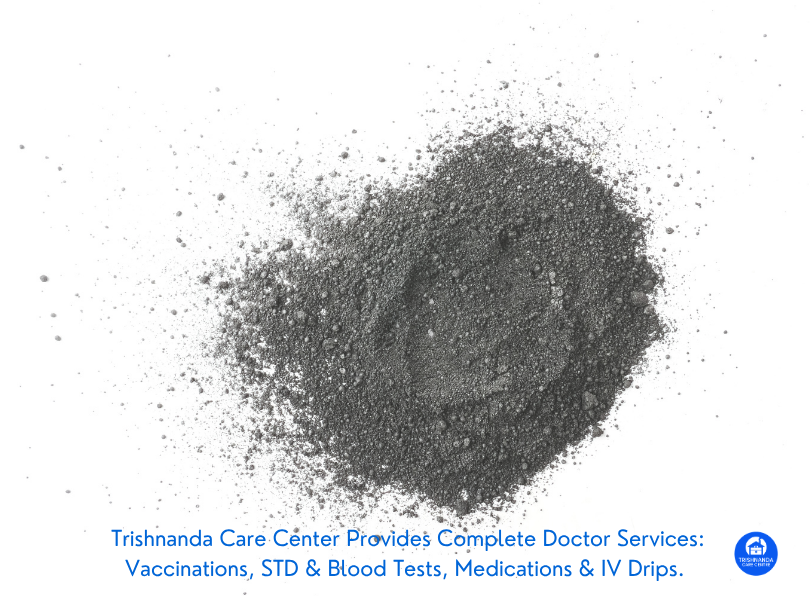
Activated charcoal is a fine, odorless black powder produced by superheating natural sources of carbon such as wood, coconut shells, or peat. The activation process creates millions of tiny pores on its surface, drastically increasing its adsorptive capacity.
How Does Activated Charcoal Work in the Body?
Unlike regular charcoal, activated charcoal is not absorbed by the body. Instead, it acts in the gastrointestinal tract by binding to certain substances primarily toxins and gases through a process called adsorption (not absorption). Adsorption involves molecules sticking to the surface of the charcoal rather than being soaked up.
Activated charcoal has long been used in emergency medicine settings to treat certain types of poisoning and drug overdoses. Its ability to bind toxins means it can reduce their absorption into the bloodstream if administered soon after ingestion. In some countries, it’s also marketed for relieving bloating or diarrhea.
The Relationship Between Activated Charcoal and Constipation
Can Activated Charcoal Cause Constipation?
Constipation is a documented side effect of activated charcoal use. According to reputable sources such as the U.S. National Library of Medicine and Mayo Clinic, activated charcoal may:
• Slow down transit time in the intestines
• Harden stool due to water removal
• Reduce bowel motility when used in higher doses or over extended periods
While constipation is not guaranteed for everyone using activated charcoal, it is a recognized risk particularly for individuals already dehydrated or with sluggish gut motility.
Why Does This Happen?
Activated charcoal doesn’t discriminate between toxins and other substances; it can also adsorb water and electrolytes from the gut contents. This water-binding effect can lead to harder stools and slower bowel movements. In addition, when taken with insufficient fluid intake which often happens during acute gastroenteritis (like Bali Belly) the risk of constipation increases.
Other Potential Side Effects
• Black stools: This is common and harmless but can mask gastrointestinal bleeding.
• Nausea or vomiting: Especially when taken in large quantities.
• Rare but serious: Bowel obstruction or aspiration pneumonia if not administered properly, particularly in children or people with swallowing difficulties.
Bali Belly: Local Risk Factors for Digestive Distress
What Is Bali Belly?
“Bali Belly” is a colloquial term for traveler’s diarrhea experienced by visitors to Bali. It’s typically caused by consuming food or water contaminated with bacteria (such as E. coli), viruses (like norovirus), or parasites (such as Giardia). Symptoms include:
• Diarrhea
• Nausea and vomiting
• Abdominal cramps
• Occasionally fever
Why Is Bali Belly So Common?
There are several unique risk factors in Bali:
• Water Quality: Tap water in Bali is not potable for most foreigners’ digestive systems.
• Food Handling Practices: While Bali’s culinary scene is world-renowned, variable hygiene practices at food stalls and restaurants increase pathogen exposure.
• Climate: The tropical climate accelerates bacterial growth on food.
• Immunity Differences: Travelers lack immunity to local strains of pathogens.
For more detailed information about symptoms and management options for this condition, see our Bali Belly page.
Is Activated Charcoal Effective Against Bali Belly?
What Do Medical Guidelines Say?
The use of activated charcoal for routine diarrhea management is controversial:
• World Health Organization (WHO): Recommends rehydration therapy (oral rehydration salts) as first-line treatment for traveler’s diarrhea.
• U.S. Centers for Disease Control & Prevention (CDC): Does not recommend activated charcoal for infectious diarrhea.
• Cochrane Reviews: Evidence does not support routine use of activated charcoal for diarrheal illnesses; it does not reduce stool output or illness duration compared to standard care.
Activated charcoal may help with mild cases by binding toxins, but it does not address dehydration the most dangerous aspect of severe gastroenteritis.
When Might It Be Helpful?
Activated charcoal can be considered if you suspect mild food poisoning from ingested toxins (not infectious agents) and you are otherwise healthy. However, frequent or high-dose use increases constipation risk especially if you are already losing fluids through diarrhea.
Constipation During Recovery: Why It Matters
Constipation after an episode of diarrhea may seem like a welcome relief at first, but it can cause new problems:
• Abdominal discomfort: Bloating and cramping may persist or worsen.
• Incomplete recovery: Slowed gut motility may hinder elimination of lingering pathogens.
• Increased risk of secondary complications: Such as hemorrhoids or anal fissures from straining.
If you are using activated charcoal during your recovery from Bali Belly and develop constipation that lasts more than 48 hours or you have severe abdominal pain it’s important to seek medical advice promptly.
Actionable Tips: Preventing Constipation When Using Activated Charcoal
If you choose to use activated charcoal while recovering from Bali Belly, follow these evidence-based tips to minimize your risk of constipation:
1. Stay Well Hydrated
Activated charcoal draws water into itself from intestinal contents, so fluid replenishment is critical.
• Drink plenty of bottled water (at least 2–3 liters per day)
• Use oral rehydration solutions that replace lost electrolytes
• Avoid sugary sodas or caffeinated drinks that may worsen dehydration
For rapid rehydration support during active illness, consider our Hydration IV therapy, which delivers fluids directly into your bloodstream for faster absorption.
2. Limit Duration & Dosage
Only use activated charcoal for short periods preferably under healthcare guidance and stick to recommended dosages on packaging or as advised by a medical professional.
3. Monitor Your Bowel Movements
Be aware of changes in stool frequency and consistency:
• If you notice hardening stools or decreased bowel movements, stop using activated charcoal
• Resume a normal diet with fiber-rich foods as soon as tolerated
4. Balance With Dietary Fiber
If your stomach allows, incorporate soluble fiber sources like banana, applesauce, toast (“BRAT” diet), oatmeal, or steamed vegetables once nausea subsides. Fiber helps soften stool by retaining moisture in the colon.
5. Avoid Using With Other Binding Agents
Do not combine activated charcoal with antidiarrheal medications such as loperamide without consulting a doctor; this increases the risk of severe constipation or even bowel obstruction.
Recovery Steps for Bali Belly: Safe Practices For Travelers
Recovering from Bali Belly requires a multifaceted approach focusing on hydration, nutrition, rest, and careful monitoring not just symptom suppression.
Rehydration Is Key
Fluid loss through vomiting and diarrhea quickly leads to dehydration a primary danger in hot climates like Bali’s. Use:
• Bottled water
• Oral rehydration salts
• Coconut water (natural source of electrolytes)
IV hydration can be lifesaving if oral intake isn’t possible due to persistent vomiting; our mobile team provides this service throughout central Bali 24/7 with no extra transport fees.
Gradual Diet Advancement
Start with bland foods once vomiting stops:
1. Clear liquids (broth, electrolyte drinks)
2. Soft starchy foods (rice porridge)
3. Gradually resume normal diet as tolerated
Avoid spicy foods, dairy products, alcohol, and fatty meals during early recovery stages.
Rest & Observation
Give your body time to recover by avoiding strenuous activity for 24–48 hours after symptoms resolve. Monitor for red flags such as:
• Blood in stool
• High fever (>38°C)
• Severe abdominal pain
• Persistent vomiting beyond 24 hours
These warrant prompt medical evaluation our English-speaking doctors and nurses are available around-the-clock for urgent consultations through our Doctor-on-Call service.
When To Seek Medical Help
Don’t hesitate to reach out if you experience:
• Signs of dehydration (dizziness, confusion)
• No urination for more than 8 hours
• Inability to keep fluids down
• Ongoing constipation post-treatment
Prompt intervention prevents complications and speeds up recovery.
Prevention Tips: Reducing Your Risk Of Bali Belly And Its Aftereffects
Even before symptoms strike, proactive steps can make your trip safer:
Food & Water Safety
1. Drink only bottled or filtered water.
2. Avoid ice unless made from purified water.
3. Eat freshly cooked foods; avoid raw salads or undercooked meats.
4. Peel fruits yourself do not consume pre-cut fruits from unknown sources.
5. Choose reputable restaurants with good hygiene practices.
Hand Hygiene Matters
Wash hands thoroughly before eating or after using public facilities carry alcohol-based sanitizers when soap isn’t available.
Consider Pre-travel Preparation
Consult healthcare professionals about preventive measures before arriving in Bali such as travel vaccinations or carrying oral rehydration salts in your travel kit.
For those with sensitive digestive systems or underlying conditions like IBS or food intolerances, specialized Food Intolerance IV Therapy can help manage symptoms that may arise during travel.
Why Choose Trishnanda Care Centre For Your Recovery In Bali?
We understand how disruptive gastrointestinal illness can be while away from home and how vital rapid access to trusted medical care becomes when symptoms persist or worsen.
Trishnanda Care Centre offers:
• Free island-wide delivery on medications and medical supplies so you never have to leave your villa when unwell.
• 24/7 mobile reach across central areas of Bali; English-speaking doctors & nurses committed to providing empathetic care wherever you are staying.
• Comprehensive services including doctor consultations at your location, mobile IV therapies tailored to gastrointestinal recovery (such as Bali Belly Mom Care IV Therapy), hydration support packages, laboratory testing at home/villa and much more.
Our priority is helping you recover safely so you can return to enjoying all that Bali has to offer with complete peace of mind.
Making Informed Choices About Activated Charcoal And Your Gut Health In Bali
While activated charcoal remains a popular self-treatment option among travelers facing sudden stomach upsets in Bali, its use should be approached with caution especially regarding constipation risk during recovery from Bali Belly. Scientific evidence does not support its routine use for infectious diarrhea; hydration remains far more important than toxin binding unless specifically advised by a healthcare provider.
If you do choose to use activated charcoal:
1. Limit duration.
2. Maintain excellent hydration.
3. Stop immediately if bowel movements slow down significantly.
4. Seek professional help if new symptoms develop including persistent constipation after an episode of diarrhea.
By staying aware of local risks and following simple prevention steps outlined above, you’ll greatly reduce both the likelihood and impact of traveler’s digestive woes while in paradise.
This content is for general information only and does not constitute medical advice. Always consult a qualified healthcare professional for personalised diagnosis and treatment.