
The Post-Retreat IV: Replenishing After a 7-Day Fast or Cleanse in Seseh
The Allure and Aftermath of Fasting Retreats in Bali
Bali, and particularly serene enclaves like Seseh, has become a haven for wellness seekers. Many flock here for holistic retreats that promise detoxification and rejuvenation through fasting, juice cleanses, or plant-based purification programs. While a 7-day fast or cleanse can offer a sense of renewal, the journey does not end when the retreat is over. The transition back to everyday nutrition and hydration is a medically significant phase one that is often overlooked.
At Trishnanda Care Centre, we frequently support travelers and residents in Bali who find themselves depleted after these intensive programs. Our focus is on safe post-retreat recovery, with special emphasis on replenishing key nutrients and fluids that may be lost during extended fasting or cleansing. Understanding both the science behind fasting and the tropical health risks unique to Bali can help you recover optimally and safely.
The Science of Fasting: What Happens to Your Body During a Cleanse
Metabolic Shifts During Fasting
Fasting triggers a cascade of changes in the body. Within the first 24–48 hours, glycogen stores in the liver are depleted. The body then turns to fat stores for energy, producing ketone bodies as an alternative fuel source for the brain and muscles. This metabolic adaptation is at the core of many therapeutic fasting protocols.
Common Physiological Effects
• Dehydration: Reduced food intake means less water derived from food; this increases dehydration risk.
• Electrolyte Imbalances: Potassium, sodium, magnesium, and calcium levels can drop, affecting nerve and muscle function.
• Protein Breakdown: Prolonged fasting may lead to muscle breakdown for gluconeogenesis (the creation of glucose from amino acids).
• Gastrointestinal Changes: Reduced gut motility and enzyme activity may lead to discomfort when refeeding begins.
Benefits Vs. Risks
While some clinical evidence supports short-term fasting for metabolic reset and inflammation reduction (as noted by Johns Hopkins Medicine and published reviews in Cell Metabolism), risks are significant if not carefully managed:
• Refeeding syndrome (a potentially fatal shift in fluids/electrolytes when reintroducing food)
• Severe dehydration
• Hypoglycemia (dangerously low blood sugar)
• Cardiac arrhythmias due to electrolyte loss
For these reasons, medical supervision is strongly recommended when breaking a prolonged fast especially after seven days or more.
Unique Health Considerations for Fasting in Bali
Environmental Factors in Seseh and Greater Bali
The humid, tropical climate of Bali significantly increases fluid loss through sweat. This risk is compounded by:
• High activity levels (walking, yoga, surf lessons)
• Exposure to sun and heat
• Local pathogens, which may cause gastrointestinal upset and further dehydration (see our Bali Belly resource)
Traveler-Specific Risks
Travelers may be more vulnerable due to:
• Changes in water quality: Even filtered water might harbor unfamiliar microbes.
• Unfamiliar foods during refeeding: Local spices or oils can be harsh on a newly sensitized digestive tract.
• Jet lag and disrupted circadian rhythms: These can increase stress on the immune system.
• Limited access to immediate medical care outside urban areas.
Recognizing Post-Retreat Warning Signs
Not everyone emerges from a cleanse with glowing skin and boundless energy. Some common warning signs that your body needs urgent support include:
Dehydration and Electrolyte Imbalance
Look for:
• Dizziness or fainting
• Rapid heart rate
• Persistent headache
• Muscle cramps or weakness
• Nausea or vomiting
• Confusion or mental fog
Gastrointestinal Distress
Symptoms such as bloating, cramping, diarrhea, or constipation are common after reintroducing foods post-fast. These may signal a need for gentle dietary transition or medical intervention if severe.
Immune Vulnerability
Prolonged fasting can temporarily suppress immune function, making you more susceptible to local infections like dengue fever or gastrointestinal illnesses.
Medical Strategies for Safe Repletion After a Fast or Cleanse
Step 1: Gradual Reintroduction of Nutrients
Why Slow Refeeding Matters
Rapid reintroduction of calories especially carbohydrates can trigger dangerous shifts known as refeeding syndrome. According to NHS guidelines and clinical reviews in The New England Journal of Medicine, this condition arises when insulin surges drive electrolytes like phosphate into cells so quickly that fatal deficiencies develop in the bloodstream.
Actionable Guidelines
• Break your fast with small portions of easily digestible foods: bone broth, steamed vegetables, plain rice.
• Avoid high-sugar drinks and processed foods.
• Increase meal size slowly over several days while monitoring symptoms.
• Consider probiotics or gentle fermented foods to restore gut flora.
Step 2: Hydration The Cornerstone of Recovery
The Science Behind Post-Fast Hydration Needs
Water loss during fasting is amplified by Bali’s heat. Electrolyte-rich hydration is crucial; plain water alone cannot correct imbalances if sodium, potassium, or magnesium are low.
Practical Hydration Advice
• Use oral rehydration solutions (ORS) containing sodium and potassium.
• Coconut water can help but should not be your sole source due to its low sodium content.
• Sip fluids frequently rather than gulping large amounts at once.
• If you experience persistent vomiting/diarrhea or signs of dehydration listed above, seek medical care immediately.
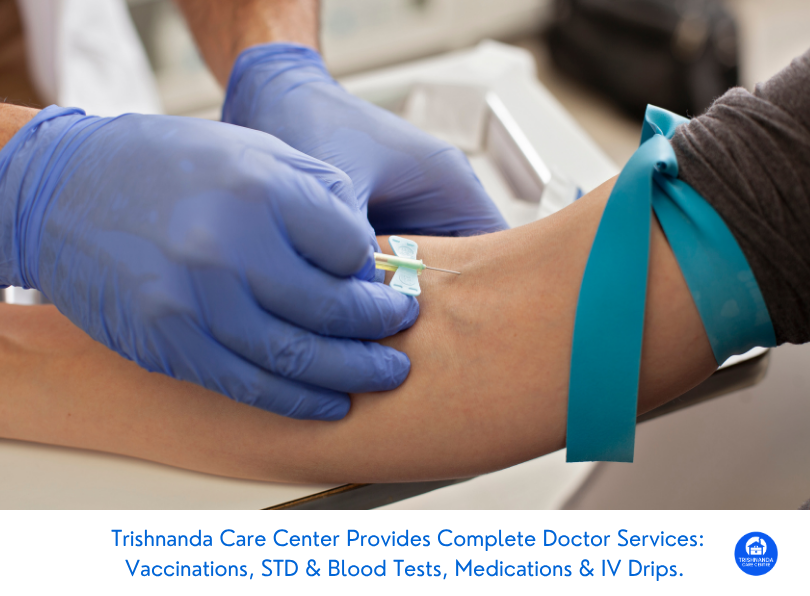
For those who require rapid correction such as after severe dehydration medical-grade hydration therapy administered intravenously by professionals can be life-saving and restore balance much faster than oral methods alone.
Step 3: Correcting Micronutrient Deficiencies
Fasting depletes not only fluids but also essential vitamins and minerals:
Common Deficiencies After Cleansing Retreats
• Potassium & Magnesium: Crucial for cardiac rhythm; deficiency causes cramps/arrhythmias.
• Vitamin B group: Needed for energy metabolism; deficiency causes fatigue/confusion.
• Iron: Prolonged restrictive diets can lower iron stores leading to anemia symptoms.
Professional IV therapies tailored for post-fast recovery often include balanced electrolytes plus B vitamins and other micronutrients. Trishnanda Care Centre’s mobile team delivers these IV packages directly across Bali including Seseh with no extra charge for transport.
Prevention Tips for Wellness Travelers in Bali
Pre-Retreat Preparation
• Schedule a check-up before starting any fast longer than 48 hours especially if you have chronic health conditions.
• Discuss plans with your doctor-on-call provider; Trishnanda offers doctor consultations both virtually and in-villa across central Bali.
• Hydrate well before starting your retreat; maintain salt intake unless contraindicated by your medical team.
During Your Cleanse: Minimize Health Risks
• Monitor daily urine output; dark urine signals dehydration.
• Avoid excessive exercise in Bali’s heat while fasting.
• Communicate any symptoms early to your retreat facilitator or healthcare provider.
Post-Retreat Transition Recommendations
• Do not plan strenuous activities immediately after your cleanse ends; allow several days for full recovery.
• Continue monitoring hydration status; increase fluids based on sweat loss/activity level.
• Use gentle foods such as bananas, rice porridge (bubur), steamed pumpkin to ease digestive transition.
• Be cautious with local street food until gut stability returns.
For those needing quick support after leaving their retreat center, Trishnanda’s English-speaking nurses can reach most central areas within an hour day or night with all necessary supplies onboard.
Addressing Local Risk Factors After Your Seseh Retreat
Tropical Infections & Gastrointestinal Upsets
After a fast or cleanse, immune defenses are lowered making you more susceptible to “Bali Belly” (traveler’s diarrhea) or viral infections like dengue fever. Consuming even small amounts of contaminated food or untreated water during this sensitive period amplifies risk.
If you experience new onset fever, persistent diarrhea, vomiting, rash, or severe abdominal pain post-retreat:
• Isolate yourself from others if possible until diagnosis is clear.
• Avoid self-medicating with antibiotics until proper diagnosis is made; misuse can worsen outcomes.
• Seek prompt evaluation from a healthcare provider familiar with local diseases Trishnanda offers both tests (including dengue NS1) and treatment at your accommodation.
Heat Stress & Dehydration Hazards
Bali’s climate means fluid requirements are higher than many visitors expect even without fasting. If you notice ongoing fatigue, muscle cramps, headache or decreased urine output after your retreat:
• Prioritize electrolyte-rich hydration over plain water alone.
• Avoid direct sun exposure during peak hours (10 am–3 pm).
• Request professional assessment if symptoms persist despite self-care measures a mobile nurse visit may prevent escalation of illness.
Mobile IV Therapy: When Is It Appropriate?
IV therapy is not simply about “boosting” wellness it’s often medically necessary when oral intake fails to correct deficiencies quickly enough:
Indications for Professional IV Support After Fasting/Cleansing Retreats:
• Moderate-to-severe dehydration unresponsive to oral fluids
• Ongoing vomiting/diarrhea impeding nutrient absorption
• Weakness/fatigue impeding daily function
• Laboratory-confirmed electrolyte abnormalities
• Pre-existing chronic conditions worsened by fasting (e.g., heart disease)
Our hydration IV packages include balanced fluids plus electrolytes tailored for tropical recovery needs—and are delivered discreetly across Seseh at no extra transport cost.
Why Choose Trishnanda Care Centre After Your Bali Retreat?
Choosing the right post-retreat support service matters not just for comfort but also for safety:
24/7 Reach: Our multilingual doctors and nurses are available around-the-clock throughout Bali’s central areas including Seseh for urgent care visits or consultations at your villa/hotel.
Mobile Service: We bring IV therapies directly to you wherever you’re staying eliminating travel stress during vulnerable periods.
Free Island-Wide Delivery: There are no hidden fees for transportation anywhere on the island including outlying areas like Seseh.
English-Speaking Professionals: Communication clarity ensures nothing gets lost in translation during critical moments.
Comprehensive Care: From hydration IVs to immune boosting therapies and even lab testing at home you receive holistic support customized to your needs after intensive fasting or cleansing experiences.
This content is for general information only and does not constitute medical advice. Always consult a qualified healthcare professional for personalised diagnosis and treatment.