
Traveling to Bali with your family can be a life-changing experience, filled with adventure, culture, and moments of connection. Yet, beneath the beauty of the island, parents often face medical and health-related challenges unique to Southeast Asia. From tropical illnesses to food sensitivities, it’s vital for families to access reliable healthcare support. At Trishnanda Care Centre, we’re committed to making family health in Bali seamless and stress-free while also empowering you to support fellow parents and earn treatment credit through our patient referral rewards.
Understanding Family Health Risks in Bali
The Medical Science of Tropical Travel
Bali’s unique environment means families may encounter health risks less common in temperate climates. Many illnesses stem from infectious diseases, environmental exposures, or even changes in diet and hydration status. Scientific literature consistently highlights several key areas of concern for travelers:
Gastrointestinal Infections: These are some of the most frequent issues among travelers, especially children. According to the Centers for Disease Control and Prevention (CDC), “traveler’s diarrhea” is often caused by ingesting bacteria (like E. coli), viruses (such as norovirus), or parasites present in contaminated food or water.
Vector-Borne Diseases: Mosquitoes in Bali can transmit dengue fever and, less frequently, chikungunya or Zika virus. Dengue is particularly concerning for children due to the risk of dehydration and complications.
Food Allergies and Sensitivities: New cuisines can trigger allergic reactions or intolerances. Research from the World Allergy Organization emphasizes that travelers should remain vigilant about cross-contamination and unfamiliar ingredients.
Sun Exposure & Dehydration: Bali’s tropical sun increases risk for sunburn and heat-related illnesses. Children are especially vulnerable due to their higher surface area-to-body weight ratio and less developed thermoregulation.
Respiratory Infections: Changes in climate, air quality (including seasonal haze), and crowded tourist areas can increase susceptibility to viruses like influenza.
Local Risk Factors: What Makes Bali Unique?
Water Quality: Tap water is not potable in most locations. Even ice cubes or salads washed in local water can pose risks.
Tropical Climate: High humidity accelerates dehydration and increases sweat loss.
Food Preparation Practices: Street food or small eateries might not always follow strict hygiene standards.
Insect Exposure: Gardens, rice terraces, and even urban areas harbor mosquitoes day and night.
Crowded Tourist Spots: Increased transmission of respiratory viruses during peak seasons.
Actionable Prevention Tips for Traveling Families
Before You Arrive
Vaccinations & Pre-travel Planning
Consult your healthcare provider at least 4–6 weeks before departure. The CDC recommends routine vaccines (measles-mumps-rubella [MMR], diphtheria-tetanus-pertussis [DTaP], polio), as well as hepatitis A and typhoid vaccines for most travelers to Indonesia.
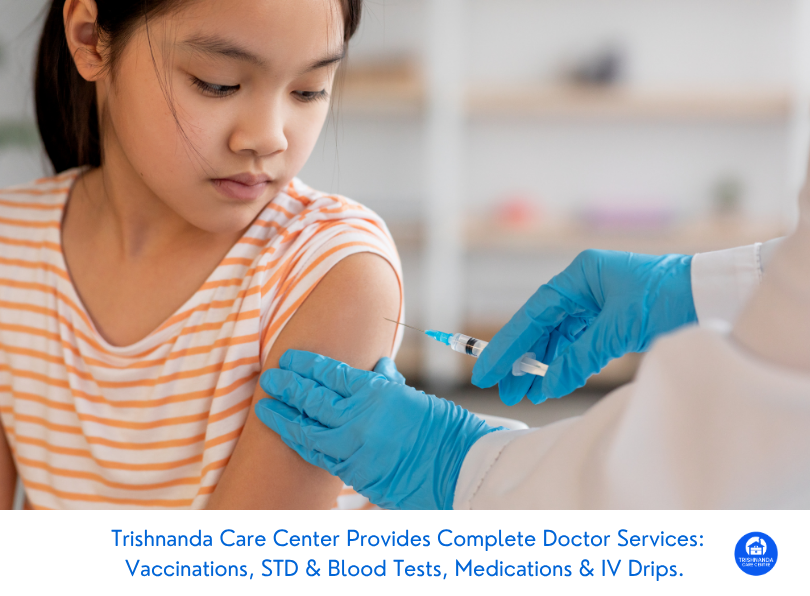
For specific needs such as dengue or Japanese encephalitis vaccination (for long-term stays or rural travel), our tests and vaccination services are available via mobile visits across Bali.
Medication Preparation
Pack a travel health kit containing:
• Oral rehydration salts
• Fever reducers (acetaminophen or ibuprofen)
• Antihistamines for allergies
• Hand sanitizer
• Sunscreen (SPF 30+)
• Insect repellent containing DEET or picaridin
• Any prescription medications your family requires
While You’re in Bali
Food & Water Safety
• Drink only bottled or filtered water; avoid tap water including ice unless confirmed safe.
• Choose restaurants with high turnover for fresh ingredients.
• Wash hands frequently, especially before eating or preparing food.
• Avoid raw vegetables or fruit unless peeled by yourself.
Preventing Mosquito Bites
• Dress children in long sleeves/trousers when possible.
• Apply child-safe insect repellent during the day (dengue vectors bite during daylight).
• Use bed nets if staying outside urban areas or budget accommodation.
Sun & Hydration Awareness
• Encourage frequent fluid intake water or oral rehydration solutions.
• Limit direct sun exposure during peak hours (10am–4pm).
• Reapply sunscreen every two hours and after swimming.
Hygiene Best Practices
Teach children to:
• Wash hands after bathroom use and before eating
• Avoid touching their face with unwashed hands
• Cover coughs/sneezes with elbow tissues
When Illness Strikes: Recognizing Warning Signs
Prompt recognition can prevent minor issues from becoming emergencies:
• Persistent vomiting/diarrhea (>24 hours) or signs of dehydration (dry mouth, sunken eyes, lethargy)
• High fevers unresponsive to medication
• Rash accompanied by fever (potential sign of dengue or other viral illness)
• Difficulty breathing
If any of these occur, seek immediate medical attention.
Recovery Steps: Evidence-Based Approaches for Families
Gastrointestinal Illness (‘Bali Belly’)
Hydration is key children are at higher risk for dehydration than adults. Oral rehydration salts restore lost fluids/electrolytes more effectively than plain water. For severe symptoms, especially if accompanied by fever or blood in stool, prompt medical assessment is crucial.
Our Bali Belly Mom Care IV Therapy offers targeted support for mothers experiencing acute gastrointestinal symptoms while traveling with children delivered discreetly wherever you’re staying.
Dengue Fever & Mosquito-Borne Diseases
There is no specific antiviral treatment for dengue; supportive care focuses on fever management (paracetamol preferred over NSAIDs), maintaining hydration, and monitoring for warning signs such as persistent vomiting or bleeding gums.
Trishnanda’s Dengue IV therapy provides advanced hydration support at home or hotel under nurse supervision a safer alternative than managing severe cases without professional help.
Food Allergies & Intolerances
If a reaction occurs:
1. Administer antihistamines for mild reactions.
2. For severe symptoms (swelling of lips/tongue/throat, difficulty breathing), use an epinephrine auto-injector if prescribed and call emergency services immediately.
3. Follow up with a physician even after apparent recovery for further evaluation.
Our Food Intolerance IV Therapy can help relieve symptoms such as nausea and malaise following accidental exposures.
Hydration & Sunburn Recovery
For mild dehydration: increase oral fluids; monitor urine output as a sign of recovery.
For moderate/severe dehydration: IV hydration may be required especially important for young children who cannot tolerate oral intake due to vomiting.
Our Hydration IV therapy can be administered rapidly at your villa by licensed nurses no need for stressful hospital trips.
For sunburns: cool compresses, aloe vera gels, pain relief as needed; watch for fever/blistering which may require medical attention.
Respiratory Symptoms & Fever Management
Monitor temperature regularly; encourage rest and fluids. If a high fever persists beyond 48–72 hours or is accompanied by breathing difficulty, rashes, or lethargy contact medical care immediately.
Trishnanda offers both flu IV therapy and doctor-on-call consultations so you never have to worry about language barriers or unfamiliar hospital systems.
The Power of Community: Supporting Other Parents While Earning Treatment Credit
Parenting abroad isn’t just about caring for your own family it’s about building a supportive network with others facing similar challenges. Trishnanda Care Centre recognizes this by rewarding parents who help spread trustworthy healthcare information among their peers visiting Bali.
How Our Referral Cashback Program Works
Our Patient Referral Cashback Program is designed to reward our community for sharing the health:
• Unlimited Rewards: Earn credit every time you refer another parent who books a successful treatment through Trishnanda Care Centre there’s no cap on how much you can earn.
• Instant Credit: Your rewards are applied directly to your patient profile as soon as your referral receives their service.
• Bali-Wide Care: You can redeem your credits on any service across the island from urgent doctor visits to recovery IVs so your entire family benefits from your community spirit.
By participating in our patient referral program, you’re not only supporting fellow families navigating health issues abroad but also ensuring you have treatment credits ready should your own loved ones fall ill during your trip. It’s a win-win approach that brings peace of mind and strengthens the parent community across Bali.
To learn more about how you can earn treatment credit while helping others access safe medical care on the island, visit our dedicated Share The Care Rewards page.
Why Choose Trishnanda Care Centre?
As an established mobile healthcare provider in Bali trusted by thousands of traveling families each year, Trishnanda Care Centre offers:
• 24/7 Mobile Reach: Our English-speaking doctors and nurses cover central areas around the clock so professional care comes to you whether it’s noon or midnight.
• In-Villa Lab Tests & Vaccinations: We bring diagnostic testing directly to your accommodation—including dengue NS1 + CBC panels, full STD checks (for adults), thyroid tests, and more—with no extra transportation fees.
• Free Island-Wide Delivery: Whether it’s medications following a consultation or IV supplies for therapy sessions at home/hotel/villa—we deliver everywhere at no extra cost so you never need to travel when unwell.
• Peace of Mind: Our multilingual team ensures clear communication; all treatments use hospital-grade supplies; privacy/confidentiality are strictly maintained throughout your care journey.
By combining convenience with clinical excellence and rewarding families who share these resources Trishnanda Care Centre is redefining what family healthcare means on holiday abroad.
Contact Trishnanda Care Centre Now
This content is for general information only and does not constitute medical advice. Always consult a qualified healthcare professional for personalised diagnosis and treatment.