
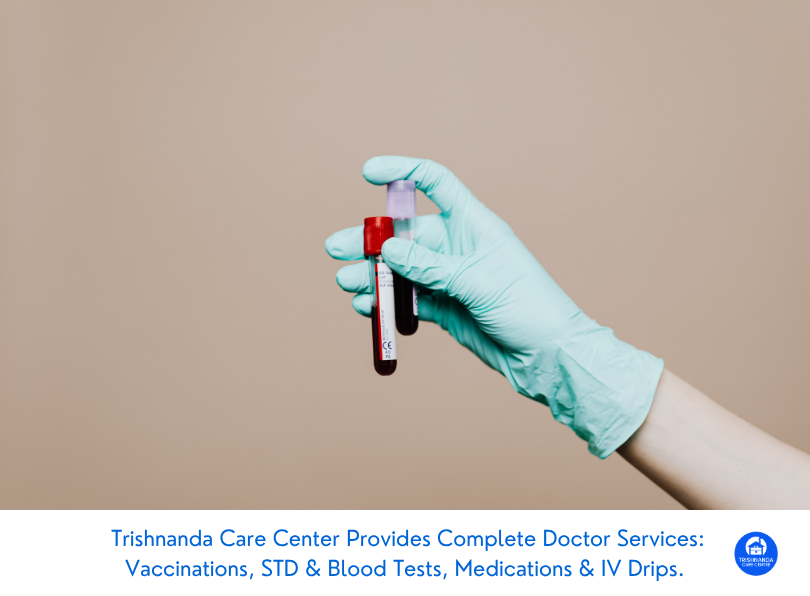
Traveling to Bali’s iconic Legian Beach is a dream for many. The sun-soaked coastlines, vibrant nightlife, and world-class resorts attract millions of tourists each year. Yet, unexpected illness can disrupt even the best-planned holidays. Whether it’s Bali belly, a sudden fever, or dehydration after a long day in the sun, falling sick while away from home can be distressing. Fortunately, modern mobile healthcare services like Trishnanda Care Centre offer a comprehensive solution, allowing you to access medical support directly from your resort without interrupting your recovery or holiday.
Understanding Tourist Illnesses: Medical Background
Why Do Travelers Get Sick Abroad?
Travelers are exposed to various new pathogens and environmental conditions that their immune systems may not recognize or be able to fight off efficiently. Changes in food, water, climate, and daily routines can all contribute to increased vulnerability. The World Health Organization (WHO) notes that gastrointestinal illnesses, respiratory infections, mosquito-borne diseases, and dehydration are among the most common health issues for international visitors.
The Most Common Tourist Illnesses in Legian
Gastrointestinal Distress (Bali Belly)
-Cause: Usually bacterial (E. coli, Salmonella), viral (norovirus), or parasitic contamination from food or water.
-Symptoms: Diarrhea, vomiting, stomach cramps, fever.
-Risks: Dehydration is a major concern.
-Treatment: Oral rehydration, antiemetics/antidiarrheals when appropriate, IV fluids for severe cases.
Dehydration and Heat Exhaustion
-Cause: Extended exposure to sun and heat without adequate fluid intake.
-Symptoms: Thirst, dizziness, rapid heartbeat, confusion.
-Risks: Heatstroke if unaddressed.
-Treatment: Immediate hydration with oral fluids or IV therapy in severe cases.
Mosquito-Borne Infections (Dengue Fever)
-Cause: Viral infection transmitted by Aedes mosquitoes.
-Symptoms: High fever, headache, joint pain, rash.
-Risks: Severe dengue can lead to bleeding and organ failure.
-Treatment: Supportive care; hydration is vital.
Respiratory Tract Infections
-Cause: Viruses or bacteria spread in crowded places (airports, hotels).
-Symptoms: Coughing, sore throat, fever.
-Risks: Can worsen in those with chronic illnesses.
-Treatment: Rest, fluids; antivirals/antibiotics if prescribed by a doctor.
Hangover and Alcohol-related Problems
-Cause: Excessive alcohol intake coupled with dehydration.
-Symptoms: Headache, nausea, vomiting.
-Risks: Severe dehydration and electrolyte imbalance.
-Treatment: Hydration therapy; sometimes IV fluids are required.
Local Risk Factors in Legian
Environmental Hazards
Legian’s tropical climate brings high temperatures and humidity year-round. This increases the risk of dehydration and heat-related illnesses for tourists unaccustomed to such weather. Additionally, the popularity of outdoor activities means travelers are more exposed to insects like mosquitoes.
Food and Water Safety
While many resorts maintain high hygiene standards, street food stalls or small warungs may not always follow strict protocols. Tap water in Bali is not potable; even ice cubes can be a source of contamination if made from untreated water.
Social Settings and Nightlife
Legian’s vibrant party scene can lead to excessive alcohol consumption and late nights out both of which compromise immunity and increase susceptibility to illness.
Seasonal Patterns
The rainy season (October–March) sees an uptick in mosquito populations and waterborne diseases due to flooding and stagnant water.
Prevention Strategies for Tourists in Bali
Safe Eating & Drinking Habits
• Always drink bottled or filtered water; avoid tap water entirely.
• Be cautious with ice ensure it’s made from purified water.
• Choose restaurants with good reviews for cleanliness.
• Wash hands thoroughly before eating; carry hand sanitizer.
Protecting Against Mosquito-Borne Diseases
• Apply insect repellent containing DEET or picaridin before going outdoors.
• Wear long-sleeved shirts and pants during peak mosquito hours (dawn and dusk).
• Sleep under mosquito nets when possible.
• Stay in resort rooms with screened windows or air conditioning.
Managing Sun & Heat Exposure
• Drink plenty of water throughout the day; aim for at least 2–3 liters daily in hot weather.
• Take breaks indoors during midday heat (11 am–3 pm).
• Wear hats and lightweight clothing; use sunscreen liberally.
Responsible Alcohol Consumption
• Alternate alcoholic drinks with water to reduce dehydration risk.
• Avoid accepting open drinks from strangers; watch your beverage being prepared.
Vaccinations & Prophylaxis
Consult your healthcare provider about recommended vaccinations several weeks before travel. Commonly advised vaccines for Indonesia include hepatitis A/B, typhoid fever, tetanus-diphtheria booster, rabies (for longer stays), Japanese encephalitis (for rural areas), and influenza. For those seeking up-to-date protection or catch-up immunizations while on holiday in Bali, Trishnanda Care Centre offers convenient in-villa vaccination services.
What To Do If You Get Sick at Your Resort
Even with precautions in place, illness can still strike unexpectedly. The most important step is not to ignore symptoms prompt attention often leads to faster recovery and prevents complications.
Initial Steps
• Rest: Stay in your room; don’t push yourself physically while ill.
• Hydrate: Sip clear fluids regularly water, oral rehydration solutions (ORS), clear broths.
• Monitor Symptoms: Keep track of fever levels, urine output (for hydration status), mental clarity.
• Isolate if Contagious: Prevent spreading respiratory or gastrointestinal infections by minimizing contact with others until symptoms subside.
When to Seek Medical Help
Seek medical attention promptly if you experience:
• High fever (>39°C) lasting more than 48 hours
• Persistent vomiting/diarrhea leading to signs of dehydration
• Blood in stool or vomit
• Chest pain or shortness of breath
• Confusion or altered consciousness
These could indicate serious underlying issues requiring professional care.
Accessing Professional Healthcare Without Leaving Your Hotel
Mobile healthcare services have revolutionized resort medicine in Bali. Trishnanda Care Centre’s 24/7 Doctor-on-call brings English-speaking doctors and nurses directly to your hotel room anywhere in Legian day or night ensuring timely assessment without disrupting your rest or privacy. Their experienced team is equipped with portable diagnostic tools for vital signs monitoring and can provide on-the-spot treatments such as:
Mobile IV Therapy at Your Resort
For moderate-to-severe cases of dehydration from Bali belly or hangover symptoms or when oral hydration is not possible mobile IV therapy packages deliver fluids and medications efficiently right at your bedside. Options include:
• Rehydration therapies
• Anti-nausea medications
• Supplements for immunity support
• Targeted IV blends for dengue support
• Hangover relief blends
On-Site Diagnostic Testing
If more information is needed for diagnosis (e.g., suspected dengue fever), Trishnanda Care Centre offers in-villa lab tests such as dengue NS1 antigen testing within hours—enabling accurate treatment decisions without delay.
No Extra Transportation Costs & Free Island-Wide Delivery
All services come with free island-wide delivery of medications and medical supplies directly to your hotel room so you never have to worry about additional charges for transport logistics when you’re unwell.
Recovery: Getting Back on Track After Illness
Step-by-Step Recovery Plan
• Continue Hydration & Nutrition
Small sips of ORS every 15–30 minutes if recovering from GI illness
Gradually reintroduce bland foods (rice porridge, bananas)
Avoid spicy/fatty foods until fully recovered
• Monitor Warning Signs
Watch out for persistent high fever or worsening symptoms
Seek follow-up care if no improvement after 48–72 hours
• Rest & Sleep
Prioritize sleep as much as possible; fatigue delays healing
Avoid strenuous activities even after you start feeling better to give your body time to regain strength
• Medication Adherence
Complete all prescribed courses of antibiotics/antivirals if indicated by your doctor
Do not self-medicate with unfamiliar drugs purchased locally without medical supervision
• Reassess Travel Plans If Needed
Consider extending your rest period before resuming excursions
Consult your doctor about when it’s safe to fly home if you have had a serious illness such as dengue fever
• Stay in Touch With Medical Support
Use follow-up chats via WhatsApp with Trishnanda Care Centre’s team if you have ongoing concerns after discharge
Value of Local Mobile Healthcare Services During Your Stay
Modern travelers demand convenience but also expect world-class safety standards even when abroad. The ability to access trusted English-speaking medical professionals without leaving your hotel delivers peace of mind for you and your loved ones during stressful times.
With Trishnanda Care Centre’s:
• 24/7 mobile reach across central Bali including Legian resorts,
• English-speaking doctors & nurses,
• On-demand mobile IVs,
• In-room lab tests,
• No hidden transport fees,
• Free island-wide delivery,
you have immediate access to trusted care so you can focus on recovery rather than the stress of logistics.
Whether you’re managing acute dehydration after a day at Double Six Beach or recovering from food-borne illness following a night out on Jalan Legian’s nightlife strip, you don’t need to leave the comfort of your suite for quality care.
Maximizing Safety & Comfort on Your Legian Holiday
Tourist sicknesses are an unfortunate but common part of international travel especially in vibrant destinations like Legian where environmental changes challenge even the healthiest immune systems. By understanding the science behind these illnesses and implementing strong prevention strategies from food safety to heat protection you drastically reduce your risk.
Should sickness occur despite best efforts:
• Prioritize early intervention,
• Use resort-based mobile healthcare like Trishnanda Care Centre,
• Follow structured recovery steps tailored by qualified professionals,
and you’ll soon be back enjoying all that Bali has to offer with minimal disruption to your holiday experience.
If you need prompt assistance while staying anywhere in Legian (or throughout central Bali), contact Trishnanda Care Centre for discreet service at any hour right at your hotel door with free island-wide delivery included.
This content is for general information only and does not constitute medical advice. Always consult a qualified healthcare professional for personalised diagnosis and treatment.
Ready for fast help? Reach out anytime via WhatsApp: Contact Trishnanda Care Centre now. Stay safe and enjoy every moment of your Bali adventure!