
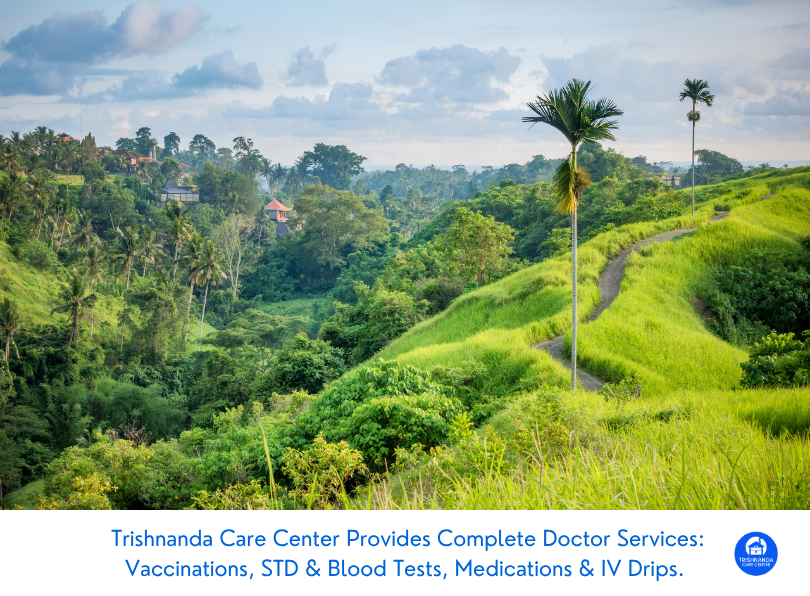
Bali’s west coast, renowned for its tranquil beaches and lush retreats in Tabanan, offers a unique blend of seclusion, natural beauty, and wellness escapes. However, the remoteness that makes this region so desirable can also present real challenges when urgent medical care is needed. Whether you’re a villa guest, digital nomad, or retreat organizer, understanding the medical realities of Bali’s west coast and how mobile healthcare fills critical gaps is essential for a safe and enjoyable stay.
Understanding Health Risks on Bali’s West Coast
The Unique Landscape and Its Medical Implications
Tabanan and the neighboring coastline are dotted with luxury villas, wellness retreats, and surf camps nestled between rice paddies and jungle. While this provides a sense of privacy and immersion in nature, it also means that:
• Access to Traditional Hospitals May Be Delayed: Emergency rooms are often several kilometers away via rural roads.
• Limited Local Medical Facilities: Small clinics may provide basic care but may not be equipped for acute or complex cases.
• Higher Risk of Delayed Treatment: For time-sensitive conditions like dehydration or severe allergic reactions, every minute counts.
Common Emergencies Faced by Travelers
1. Gastrointestinal Distress
Bali Belly (traveler’s diarrhea) is the most frequent complaint among visitors and can quickly escalate due to dehydration or persistent vomiting. Causes include:
• Unfiltered water
• Food contamination
• Changes in diet or gut flora
2. Tropical Infectious Diseases
The west coast is not immune to vector-borne diseases:
• Dengue Fever: Transmitted by Aedes mosquitoes, dengue cases spike during rainy season.
• Chikungunya and Zika: Less common but present in tropical zones.
• Skin Infections: Warm, humid environments foster rapid bacterial or fungal growth from minor wounds.
3. Environmental Hazards
• Surf Injuries: Cuts from reefs, sprains from falls.
• Heatstroke & Dehydration: Intense sun exposure combined with physical activity increases risk.
• Allergic Reactions: From insect bites or unknown environmental allergens.
4. Chronic Disease Flare-Ups
Travelers with asthma, diabetes, heart disease or autoimmune conditions may face complications if medications run out or are affected by travel stressors.
The Science Behind Traveler Emergencies in Bali
Why Are Travelers More Vulnerable?
A. Immune System Adaptation
Travelers are exposed to new pathogens their bodies have not encountered before. This lack of immunity can make even minor infections more severe.
B. Gut Flora Disruption
Changes in local food ingredients and water alter gut bacteria balance. According to the Centers for Disease Control and Prevention (CDC), up to 70 percent of short-term travelers to low- and middle-income countries experience some gastrointestinal symptoms.
C. Dehydration Dynamics
In tropical climates like Bali’s:
• Increased sweating leads to faster fluid loss
• Salt loss through sweat can destabilize electrolytes
• Dehydration exacerbates other illnesses (e.g., fever)
D. Mosquito-Borne Illness Transmission
The vector ecology in west Bali features year-round mosquito activity due to rice paddies and standing water near retreats. According to World Health Organization (WHO) guidelines, dengue outbreaks are more likely during rainy months when mosquito breeding accelerates.
Preventive Health Tips for Bali Travelers
Staying healthy in Tabanan isn’t just about luck it’s about proactive planning and informed choices. Here’s how you can significantly reduce your risk:
1. Water & Food Safety
• Drink Only Bottled or Filtered Water
Avoid tap water for drinking, brushing teeth, or making ice.
• Practice Strict Hand Hygiene
Wash hands before eating and after restroom use; use sanitizer when soap is unavailable.
• Choose Well-Cooked Foods
Opt for steaming hot dishes at reputable restaurants. Be wary of street food unless it’s freshly prepared in front of you.
• Avoid Raw Produce Unless Peeled or Washed with Clean Water
Salads and fruits may carry surface contaminants if washed with tap water.
2. Mosquito Protection
• Use DEET-Based Repellents
Apply on exposed skin every few hours.
• Wear Long Sleeves & Pants at Dawn/Dusk
Mosquitoes are most active during these times.
• Sleep Under Mosquito Nets When Possible
Especially important in rural areas or open-air villas.
3. Sun & Heat Safety
• Hydrate Regularly
Aim for at least two liters per day; increase with activity or sweating.
• Schedule Outdoor Activities Wisely
Avoid midday sun (11 am–3 pm). Take breaks in shaded areas.
• Use High-SPF Sunscreen & Reapply Often
Protects against sunburn—a common cause of skin infections when left untreated.
4. Injury Prevention
• Wear Protective Footwear Around Pools/Beaches
Prevents cuts from coral or glass fragments.
• Surf Responsibly
Check equipment before use; heed local surf warnings about currents and reefs.
5. Manage Chronic Conditions Proactively
Bring adequate supplies of medications; carry copies of prescriptions; inform your retreat host about any medical needs in advance.
Local Risk Factors: What Makes Tabanan Unique?
Rural Infrastructure Challenges
Tabanan’s winding roads can delay ambulance response times compared to urban centers like Seminyak or Denpasar. This means even minor emergencies can become serious without rapid intervention.
Language Barriers
In rural areas, English proficiency among local healthcare staff may be limited making communication about symptoms or allergies more difficult unless you have access to an English-speaking medical team like Trishnanda Care Centre provides.
Wildlife Encounters
Encounters with insects (bees, wasps), snakes, or even stray dogs increase risk of bites or allergic reactions requiring prompt assessment for rabies or anaphylaxis management.
Limited Nearby Pharmacies
Remote locations may not have immediate access to pharmacies carrying international brands another reason why mobile healthcare delivery is essential for travelers who need specific medications swiftly.
How Mobile Healthcare Bridges the Gap
The Trishnanda Advantage: Bringing Emergency Care Directly to You
At Trishnanda Care Centre, we understand that every minute matters during an emergency especially in remote areas like Tabanan where traditional clinics may be out of reach. Our mobile doctor-on-call service ensures:
• Rapid Response: Our medical teams are strategically stationed across central Bali for quick deployment.
• English-Speaking Providers: Clear communication for accurate diagnosis and treatment.
• Comprehensive On-Site Treatment: From wound care and IV hydration therapy to advanced diagnostic tests.
• No Extra Transportation Fees: Transparent pricing with no hidden costs—what you see is what you pay.
• Free Island-Wide Delivery: Medications and medical supplies delivered straight to your villa at no extra charge for added convenience during recovery.
Explore our [doctor-on-call services] for detailed information on how we support your health throughout Bali’s west coast retreats.
Emergency Response: What To Do If A Health Crisis Strikes in Tabanan
Step 1: Assess & Stabilize the Situation
If someone is injured or suddenly ill:
1. Ensure safety move away from hazards (water’s edge, wildlife).
2. Check responsiveness are they awake? Breathing?
3. Control bleeding with clean cloths; immobilize sprained limbs.
4. Begin basic first aid as indicated (cool compresses for heatstroke).
Step 2: Call For Medical Help Immediately
Contact a professional service like Trishnanda Care Centre’s 24/7 hotline for immediate assistance from English-speaking doctors who can guide you through first steps while dispatching a team to your location even in remote areas like Tabanan beach villas or jungle lodges.
Step 3: Follow Medical Advice While Help Is En Route
Our team will advise you on supportive measures based on your symptoms whether that means staying hydrated while awaiting [IV hydration therapy], taking antihistamines for allergic reactions, or monitoring vital signs until arrival.
Step 4: Utilize Mobile IV & Diagnostic Services When Appropriate
For many common emergencies from dehydration due to gastroenteritis (“Bali Belly”) to suspected dengue fever on-site interventions like intravenous fluids ([hydration package]), antiemetics, antipyretics (to reduce fever), and rapid diagnostic tests can be administered in your villa without transport delays.
Learn more about our specialized packages designed specifically for travelers coping with gastrointestinal illness away from urban centers.
Recovery & Aftercare: Returning To Wellness After An Emergency
Healing doesn’t end when symptoms subside it continues through proper aftercare tailored to your condition:
Gastrointestinal Recovery
After acute symptoms resolve:
• Continue oral rehydration using electrolyte solutions
• Gradually resume bland foods (rice porridge, bananas)
• Avoid dairy/alcohol until digestion normalizes
• Consider follow-up care if symptoms persist beyond three days our team can arrange further lab tests as needed at your villa
For mothers traveling with infants or young children affected by stomach illness, our Bali Belly Mom Care IV Therapy offers gentle rehydration solutions formulated specifically for pediatric needs.
Dengue Fever & Mosquito-Borne Illnesses
Dengue recovery requires:
• Strict rest and hydration
• Close monitoring for warning signs (persistent vomiting, abdominal pain, bleeding gums)
• Avoidance of NSAIDs which may worsen bleeding risk
Our dengue IV packages provide supportive care under close medical supervision a critical resource far from hospital settings.
Wound Healing & Skin Infections
Clean wounds daily; apply topical antibiotics as directed; monitor for increased redness/swelling/fever which could indicate deeper infection needing further intervention (such as IV antibiotics).
Chronic Disease Management Post-Crisis
Refill prescriptions promptly via our free island-wide medication delivery service; schedule follow-up doctor visits to reassess chronic conditions destabilized by travel stressors or illness flare-ups; update any emergency contacts provided to retreat staff so repeat issues can be addressed even faster next time.
Why Choose Trishnanda Care Centre For Your West Coast Stay?
Your safety is our priority and we’re dedicated to ensuring that a health emergency never overshadows your Bali experience:
• 24/7 Access To Doctors And Nurses: No matter what time an emergency strikes.
• English-Speaking Medical Staff: Clear communication equals better outcomes.
• Modern Mobile IV Therapies: From immunity support to hangover relief.
• In-Villa Lab Testing: For rapid diagnosis without leaving your sanctuary.
• Transparent Pricing With No Travel Fees: Peace of mind included.
• Free Island-Wide Delivery: Medications arrive wherever you’re staying across Bali—even remote Tabanan retreats.
Connect With Us Instantly For Emergency Or Routine Care
Whether you’re preparing for your trip or facing a sudden health crisis on Bali’s west coast, Trishnanda Care Centre is here whenever you need us day or night. To book a doctor-on-call visit, request mobile IV therapy packages, or ask about our free island-wide medication delivery, contact us via WhatsApp now:
Message Trishnanda Care Centre on WhatsApp
This content is for general information only and does not constitute medical advice. Always consult a qualified healthcare professional for personalized diagnosis and treatment.