
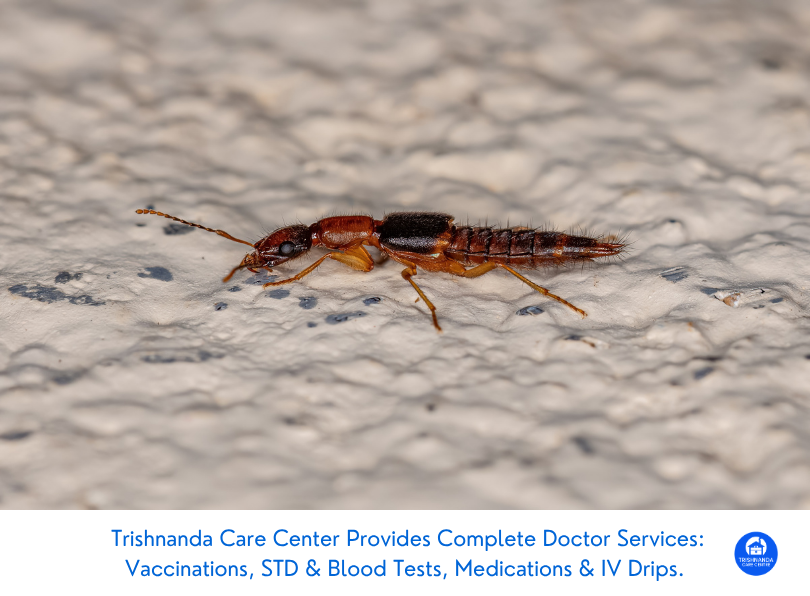
Every year, as Bali’s rainy season sets in, travelers and locals alike face an often-overlooked health hazard: the Tomcat beetle. The scientific name for this insect is Paederus, but in Bali, it is commonly known simply as “Tomcat.” Most people first learn about Tomcat beetles after developing an unusual blistering skin rash that appears seemingly overnight following contact with one of these tiny insects. While the reaction can look alarming and cause significant discomfort, early recognition and appropriate care can minimize complications.
Understanding the Tomcat Beetle: The Science Behind the Rash
What Is a Tomcat Beetle?
The Tomcat beetle is not your typical stinging or biting insect. Belonging to the Paederus genus, these slender, orange-and-black bugs are members of the rove beetle family. Unlike mosquitoes or ants, Tomcat beetles do not intentionally attack humans. The medical problem arises when their bodies are crushed or brushed against the skin.
Paederin: The Toxin Behind the Blisters
The key culprit is a potent chemical called paederin, present in the hemolymph (insect “blood”) of the beetle. When a beetle is squashed or disturbed on your skin, paederin is released and rapidly absorbed through your outer skin layers. Paederin is so toxic that only a tiny amount is enough to cause significant skin irritation.
How Does Paederin Affect Humans?
• Delayed Reaction: Unlike some irritants, paederin doesn’t burn immediately. Symptoms usually appear 12–36 hours after contact.
• Blistering Dermatitis: The result is a condition called “Paederus dermatitis” or “Nairobi fly dermatitis.” Characterized by red streaks, burning sensations, and blisters, it can resemble chemical burns.
• Transfer by Touch: Paederin can be transferred to other parts of your body (or to others) if you scratch or rub the affected area before washing your hands properly.
Medical Facts at a Glance
• Only direct contact with beetle fluid causes dermatitis the insects do not bite or sting.
• The rash is not contagious from person to person except via secondary transfer of toxin.
• In rare cases, paederin exposure near the eyes can cause severe conjunctivitis (“Nairobi eye”).
• Systemic toxicity (affecting organs beyond the skin) is extremely rare but has been documented in medical literature.
Why Is Tomcat Season a Concern in Bali?
Environmental Factors in Bali
Bali’s tropical climate creates ideal conditions for Tomcat breeding especially during and just after heavy rains. As rice paddies flood and lush vegetation grows, populations of these beetles surge. Attracted to artificial light at night, Tomcats frequently enter villas, hotels, and homestays.
Local Risk Factors
• Open-Air Living: Many Balinese homes and tourist accommodations feature open windows or minimal barriers between indoor and outdoor spaces.
• Night Lighting: Outdoor lights attract swarms of flying insects including Tomcats which then find their way indoors.
• Rice Paddy Proximity: Areas near fields or gardens are especially prone to outbreaks during wet months.
• Seasonal Peaks: The highest risk period typically spans from December through May when rainfall is most intense.
Who Is Most at Risk?
Both locals and visitors are susceptible especially those unfamiliar with Tomcat identification or prevention. Young children may be more likely to accidentally touch or crush these beetles due to curiosity.
Spotting a Tomcat Beetle Rash Early
Key Signs and Symptoms
Recognizing Tomcat dermatitis early helps prevent worsening reactions or secondary infections.
Typical Presentation
• Redness and Burning: Initial patch of red skin develops after 12–36 hours.
• Linear Lesions: Often appears as streaks or lines where the beetle brushed against you.
• Blisters: Fluid-filled blisters may develop within a day; sometimes mistaken for herpes zoster (shingles) or impetigo.
• Crusting and Peeling: Over several days, blisters rupture and crust over before healing.
• Satellite Lesions: New areas may appear if you inadvertently transfer paederin while scratching.
Special Situations
If paederin contacts mucous membranes (such as your eyes), it can cause severe irritation prompt medical care is critical in these cases.
Differential Diagnosis
Tomcat rash can resemble other tropical dermatological conditions. Health professionals may need to distinguish it from:
• Herpes zoster
• Allergic contact dermatitis
• Impetigo
• Insect bites or stings
If you’re unsure about a new rash while in Bali, it’s wise to consult an experienced clinician who understands local environmental risks.
Prevention Tips for Travelers in Bali
Reducing your risk of encountering Tomcat beetles requires a combination of environmental awareness and practical measures.
Protecting Yourself Indoors
Lighting Precautions
• Use yellow “bug” lights outdoors which are less attractive to insects.
• Keep window screens closed after dark; consider mosquito netting if sleeping with windows open.
• Turn off unnecessary lights at night especially those close to doors or open windows.
Accommodation Hygiene
• Regularly inspect bedding and furniture for stray insects before use.
• Shake out sheets and towels before use; Tomcats often hide in fabrics if indoors.
Safe Handling
If you spot a Tomcat beetle:
1. Avoid touching it directly with your hands.
2. Use paper or tissue to gently scoop it up without crushing.
3. Dispose outdoors far from sleeping areas.
Outdoor Awareness
Clothing Choices
• Wear long sleeves and pants when spending time outdoors at night near rice fields or lush gardens.
• Avoid sitting directly on grass or ground during peak season if possible.
Personal Care
• Shower at night before bed; this removes any potential irritants acquired during outdoor activities.
• Wash hands thoroughly after being outside especially before touching your face or eyes.
Educating Children & Housemates
Travelers with children should teach them to avoid brightly colored insects. Consider showing them pictures of Tomcat beetles so they become familiar with what to avoid.
What To Do After Suspected Contact
If you think you’ve touched a Tomcat beetle:
1. Wash the area immediately with soap and plenty of water this can reduce severity if done promptly.
2. Change clothes if possible to prevent lingering toxin exposure.
3. Avoid rubbing your eyes or face until you’ve thoroughly washed your hands.
Immediate Steps If You Develop a Rash
First Aid Measures
Early intervention makes a big difference in comfort and recovery time.
Wash Thoroughly
Gently clean the affected area with soap and running water as soon as possible after exposure even if you don’t see a rash yet.
Do Not Scratch
Scratching will worsen inflammation and increases risk of spreading paederin toxin elsewhere on your body.
Topical Treatments
Over-the-counter topical steroids (such as hydrocortisone cream) may help reduce inflammation if used early. Calamine lotion can soothe itching. Antihistamines may also help relieve itching but do not speed healing directly.
When To Seek Medical Help
Seek professional care if:
• The rash covers large areas (for example, on the face or genitals)
• You develop signs of infection (pus, increased pain/redness/swelling)
• There is eye involvement
• You have underlying health conditions making infections more risky (such as diabetes)
Trishnanda Care Centre offers 24/7 doctor-on-call services across central Bali with English-speaking doctors and nurses who can come directly to your villa for assessment and treatment when needed.
Recovery Process & Medical Management
Typical Healing Timeline
Most mild cases resolve within 7–10 days with appropriate skin care. Blistered areas may crust over before peeling away naturally. Mild hyperpigmentation (dark marks) can persist for weeks but usually fades without scarring.
Professional Treatment Options
In more severe cases or for lesions that become infected a healthcare provider may prescribe:
• Higher-potency topical steroids
• Oral antihistamines for severe itch
• Antibiotics if secondary infection occurs
• Eye drops/ointments for ocular involvement
• IV hydration therapy if systemic symptoms occur alongside fever or dehydration (rare but possible)
If you’re staying in Bali during peak season and develop a fever alongside blistering rash, prompt medical assessment is crucial since other tropical illnesses (like dengue) may present similarly. Trishnanda Care Centre also provides rapid flu IV therapy for those needing extra support during periods of illness-related dehydration or fever.
Home Care Essentials
While waiting for natural healing:
• Keep affected skin clean; use mild soaps only
• Avoid covering lesions tightly loose clothing helps prevent further irritation
• Apply cold compresses to reduce discomfort
• Do not attempt to pop blisters let them heal naturally
• Use sunscreen on healing skin if exposed outdoors; this reduces risk of long-term discoloration post-inflammation
Long-Term Prevention & Community Awareness
Building community awareness around Tomcat season helps everyone stay safer especially in high-risk neighborhoods near rice fields or water sources. Property managers should regularly check lighting setups and educate guests about safe insect handling protocols during peak months.
Trishnanda Care Centre supports public health education initiatives across Bali by sharing up-to-date information on seasonal health risks like dengue fever, food intolerances, immunity support, and now Tomcat dermatitis prevention strategies. Our goal is always to keep both residents and visitors well-informed so they can take proactive steps toward their health while enjoying all that Bali has to offer.
Why Choose Trishnanda Care Centre During Tomcat Season?
When unexpected rashes occur abroad, fast access to trusted healthcare makes all the difference. Here’s how Trishnanda Care Centre supports you during Tomcat season:
• 24/7 mobile reach across central areas in Bali
• English-speaking doctors & nurses ready to assist wherever you are staying
• No extra transportation costs even for after-hours emergencies
• Free island-wide delivery of prescribed medications, creams, dressings, hydration packs, or other essentials wherever you are located
• In-villa lab tests available when needed for rapid diagnosis (including dengue panels)
Our team provides clear explanations about local health risks so you feel confident managing minor ailments or knowing exactly when professional help is required.
Book Your Consultation Instantly via WhatsApp
If you notice any unusual skin reaction while in Bali or simply want expert guidance on how to prevent common travel illnesses Trishnanda Care Centre makes healthcare easy wherever you’re staying on the island. For urgent concerns about rashes, fever, allergies or any other medical issues during your trip:
Contact our team instantly via WhatsApp
We’re available 24/7 with professional advice and rapid response services tailored specifically for travelers’ needs.
This content is for general information only and does not constitute medical advice. Always consult a qualified healthcare professional for personalised diagnosis and treatment.