
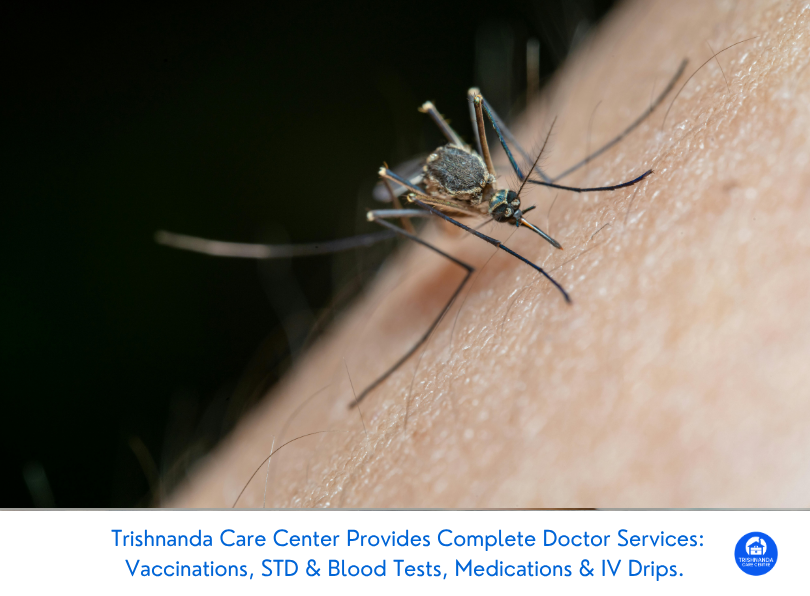
May Mosquito Trends: Why Dengue Risk Remains High as Dry Season Begins
As the lush wet season in Bali transitions into the anticipated dry months, many residents and visitors breathe a sigh of relief, expecting a drop in mosquito populations and, consequently, a lower risk of mosquito-borne diseases. However, recent data and field observations indicate that the risk of dengue fever remains substantially high in May and into the dry season. Understanding why this is the case is crucial for both locals and travellers to the island.
We will break down the current trends in mosquito behaviour, explain why dengue risk stays elevated even as rains fade, and provide practical medical guidance to keep you protected.
Understanding Dengue: A Persistent Threat in Bali
What Is Dengue Fever?
Dengue fever is a viral infection transmitted primarily by Aedes aegypti mosquitoes. Symptoms typically include high fever, severe headaches, joint and muscle pain, rash, and sometimes serious complications like dengue hemorrhagic fever. The World Health Organization (WHO) classifies dengue as a major global health concern, especially in tropical regions like Bali.
Why Is Dengue Still a Risk During Bali’s Dry Season?
It’s commonly believed that dengue cases decline once rainfall stops. However, this is not always true in Bali. Let’s explore why:
1. Mosquito Breeding Habits Adapt to Urban Environments
Aedes mosquitoes are highly adaptable. While they traditionally breed in stagnant rainwater, urban environments provide alternative breeding sites year-round such as water tanks, flower pots, gutters, discarded bottles, and even small puddles from air conditioning units. This means mosquito populations can persist even without heavy rain.
2. May’s Transitional Weather Patterns
The shift from wet to dry season is not abrupt. In May, sporadic showers still occur, leaving behind pools of water that become breeding sites. The humidity remains high enough for mosquitoes to thrive.
3. Increased Human Activity Outdoors
With drier weather comes more outdoor activities beach trips, hiking, ceremonies, and festivals. This leads to greater human-mosquito contact at dawn and dusk when Aedes mosquitoes are most active.
4. Incomplete Vector Control Measures
While local authorities conduct fogging and public health campaigns during peak rainy months, these efforts often scale back once the dry season starts. Unfortunately, this can leave residual mosquito populations unchecked just as people become less vigilant.
Current Data: Dengue Trends for May 2024
Recent epidemiological surveillance from Indonesian health authorities shows that dengue incidence rates remain high throughout May. This observation is echoed by international health agencies such as the CDC and WHO Southeast Asia Region, which have issued advisories about sustained transmission during transitional seasons. Bali’s unique microclimates including urban areas like Denpasar and coastal hotspots such as Canggu and Ubud are reporting ongoing cases.
Warning Signs: Recognising Early Symptoms of Dengue
Early detection is crucial for effective dengue management.
• High fever (often above 39°C)
• Severe headache (especially behind the eyes)
• Pain in muscles and joints
• Nausea or vomiting
• Skin rash appearing 2–5 days after onset of fever
• Mild bleeding (such as nose or gum bleed)
If you or someone you know develops these symptoms while in Bali especially after mosquito exposure seek prompt medical evaluation. Trishnanda Care Centre offers rapid in-villa diagnostic lab tests for dengue (NS1 antigen + CBC) with no additional transportation costs anywhere on the island.
Mosquito Behaviour: How Aedes Mosquitoes Thrive in Dry Months
Aedes aegypti mosquitoes are uniquely suited to survive Bali’s microclimatic shifts:
• Daytime Biters: Unlike malaria-carrying Anopheles mosquitoes (which are active at night), Aedes mosquitoes bite during daylight hours peaking early morning and late afternoon.
• Indoor Habitats: They prefer shaded indoor areas where people rest or gather.
• Egg Dormancy: Their eggs can survive drought conditions for months. As soon as water becomes available (even briefly), eggs hatch rapidly.
This resilience means that even minor lapses in household water management can support continued transmission throughout the dry season.
Dengue Hotspots: Where Is Risk Highest?
Based on official health records and on-the-ground medical calls from our own doctors:
• Crowded urban neighbourhoods: Higher population density means more hosts for the virus.
• Tourist accommodation clusters: Pools, gardens, roof gutters, plant pots can all serve as breeding sites if not cleaned regularly.
• Semi-rural village areas: Even small water storage units left uncovered are potential hotspots.
Whether you’re living in a villa or staying at a resort hotel, routine mosquito control measures are vital at any time of year.
Dengue Prevention: Practical Measures You Can Take Now
Personal Protection Strategies
• Use WHO-approved insect repellents: DEET-based formulas are considered most effective.
• Wear long-sleeved clothing: Light-coloured outfits reduce attractiveness to mosquitoes.
• Install window screens and use bed nets: Especially important for infants and elderly individuals.
• Avoid outdoor activity at peak biting times: Stay indoors at dawn and dusk when possible.
Environmental Control Around Homes & Villas
• Eliminate standing water: Check plant saucers, buckets, roof gutters, unused tires weekly.
• Tightly cover all water storage containers:
• Avoid overwatering gardens:
• Liaise with villa management about regular fogging schedules:
Trishnanda Care Centre can advise property owners on best practices for vector control to keep your living space safe year-round.
If You Suspect Dengue: What To Do Next?
If you develop symptoms suggestive of dengue:
• Avoid self-medicating with aspirin or NSAIDs: These medications increase bleeding risk if you do have dengue.
• Rest and hydrate well:
• Contact a qualified doctor immediately:
Trishnanda Care Centre provides:
• 24/7 doctor-on-call service, including immediate nurse visits anywhere in Bali (no added transport fees)
• In-villa rapid dengue testing (NS1 + CBC)
• Mobile IV therapy packages for dengue recovery, including hydration and vitamin support delivered straight to your accommodation
Our English-speaking team is trained to monitor warning signs of severe disease progression (such as persistent vomiting or bleeding) and arrange hospital admission if needed.
Treatment Options: How Trishnanda Care Centre Supports You Through Dengue Fever
While there is no specific antiviral cure for dengue fever yet, supportive care greatly improves outcomes:
• Dengue IV therapy packages: Customised fluids and essential vitamins delivered by licensed nurses help manage dehydration and symptoms efficiently.
• Pain management under doctor supervision.
• Immunity support IVs: Boost your body’s natural defences during recovery.
• If your illness is mild-to-moderate, we can treat you safely at home or villa with regular doctor follow-up via WhatsApp or direct visits.
Need urgent help? Our WhatsApp hotline is monitored around-the-clock by medical professionals who speak fluent English making communication seamless for both locals and international guests.
The Advantage of Mobile Healthcare During Peak Seasons
When dengue risk is high across the island particularly during seasonal transitions like May fast access to care makes all the difference:
• No waiting rooms or travel required: We come directly to your location anywhere in Bali.
• No additional transportation fees for any service including free island-wide delivery of medications or IV supplies straight to your villa or hotel room.
• A wide range of point-of-care services beyond dengue management: Including hydration therapy (hydration IVs here) if you’re recovering from other tropical illnesses like Bali Belly (more info here) or seasonal flu (flu IVs here) after travel exposure.
Busting Myths: Common Misconceptions About Mosquitoes & Dengue Seasonality
The idea that “mosquito season” ends with the dry weather is outdated; scientific studies now confirm that Aedes mosquitoes’ breeding cycles continue wherever clean standing water exists regardless of monthly rainfall totals. Moreover, anecdotal evidence from tourists often underestimates risk during less humid months due to fewer visible insects outdoors while indoor transmission persists undetected.
If you’re planning extended stays in Bali’s villas or hotels this May through September or relocating long-term with family members at risk (elderly adults or young children), remain vigilant about preventive measures until official local advisories confirm reduced case numbers.
Your Health Partner Year-Round: Trishnanda Care Centre’s Commitment to Safety & Convenience
At Trishnanda Care Centre we believe that prevention starts with education but must be supported by reliable access to qualified care whenever it’s needed most. Our unique offerings include:
• No additional cost for transportation island-wide: All medication deliveries or healthcare visits include free delivery right to your door.
• 24/7 mobile doctor-on-call service with English-speaking staff:
• A comprehensive menu of mobile IV therapies (immunity IVs here, hydration support, iron supplementation) tailored to your needs after illness or travel fatigue.
• Pediatric care and elderly support services for families living abroad or visiting Bali long-term.
Do not hesitate to reach out if you’re feeling unwell or need advice on how best to protect yourself against tropical diseases our WhatsApp response team will connect you quickly with a qualified clinician who can visit your location within hours.
If You Need Help Now: How To Book With Us Instantly via WhatsApp Only!
We make booking simple and secure. For immediate assistance anywhere in Bali whether you need a home visit consultation, rapid dengue test, medication refill or mobile IV therapy package message us directly by clicking below:
Book your appointment instantly via WhatsApp here!
This content is for general information only and does not constitute medical advice. Always consult a qualified healthcare professional for personalised diagnosis and treatment.