
Preventing Tattoo Infections in Bali’s Humidity: The Ultimate Guide
Getting a tattoo in Bali is a memorable experience for many visitors and locals alike. The island’s rich culture, stunning scenery, and vibrant tattoo community have made it one of Southeast Asia’s top destinations for body art. However, the region’s tropical climate brings a unique set of health considerations especially when it comes to preventing tattoo infections. High humidity, heat, and exposure to bacteria can seriously increase the risk of complications after getting inked.
At Trishnanda Care Centre, we understand the healthcare needs of Bali’s residents and visitors. Our mobile clinic offers 24/7 doctor-on-call and nurse visits, mobile IV therapies, and in-villa lab tests to support your recovery wherever you are on the island. This guide will give you authoritative, up-to-date advice on how to prevent tattoo infections in Bali’s climate, ensuring your new ink heals beautifully.
Understanding Tattoo Infections in Bali’s Climate
Why Are Tattoos More Prone to Infection in Humidity?
Fresh tattoos are essentially open wounds. In humid environments like Bali, bacteria and fungi thrive, making it easier for germs to invade healing skin. According to the Centers for Disease Control and Prevention (CDC) and recent dermatological studies, increased moisture can slow healing and encourage microbial growth. Factors such as sweat, ocean water, and contaminated surfaces can all contribute to infection risk.
Common Causes of Tattoo Infections in Bali
• Poor hygiene by artists or clients
• Exposure to unsterile water (beaches, swimming pools)
• Improper aftercare in hot, damp conditions
• Excessive sweating under tight clothing
• Touching the tattoo with unwashed hands
The Essential Steps to Prevent Tattoo Infections
1. Choose a Reputable Tattoo Studio
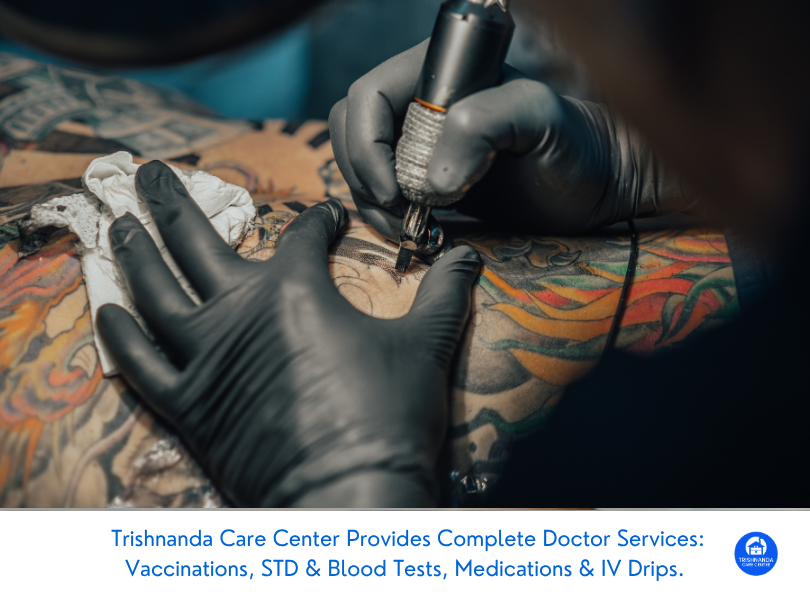
The foundation of tattoo safety starts with your choice of studio. Always select artists who follow strict hygiene standards use disposable gloves, single-use needles, and sterilised equipment. Ask about their sterilisation protocols and ensure they are licensed.
What to Look For:
• Clean workspaces with visible sanitation practices
• Fresh needles opened in front of you
• Proper hand hygiene by the artist
• Clear aftercare instructions provided post-session
2. Immediate Aftercare: The First 24 Hours Matter Most
Infection prevention begins as soon as your tattoo is completed. The first 24 hours are crucial for closing the wound and protecting it from bacteria.
• Leave the bandage on: Most tattooists recommend keeping the initial dressing on for at least 2-4 hours.
• Gently wash: Wash your hands first. Then clean the area with mild, fragrance-free soap and lukewarm water.
• Pat dry: Use a clean paper towel or allow it to air-dry; avoid rough towels.
• Avoid ointments not recommended by your artist or healthcare provider.
3. Ongoing Aftercare: The Healing Period (First 2 Weeks)
• Avoid soaking: Steer clear of swimming pools, hot tubs, saunas, beaches, or any soaking in water until fully healed.
• No sun exposure: Sunlight can damage healing skin and increase infection risk; keep tattoos covered when outdoors.
• Avoid tight clothing: Wear loose garments to prevent friction and retain airflow around your tattoo.
• No scratching or picking: Let any scabs fall off naturally; touching increases risk of introducing bacteria.
• Apply recommended moisturiser: Use only unscented lotions/ointments advised by your artist or medical professional.
• Keep it clean: Wash gently twice daily with mild soap and water.
Tattoo After-Care IV Therapy Support:
For those who want an extra layer of protection during recovery especially in Bali’s challenging climate consider our Tattoo After-Care IV Therapy. This specialised package delivers hydration and nutrients directly into your bloodstream to support immune response and faster healing.
The Impact of Bali’s Humidity on Tattoo Healing
Sweat Management: A Key Challenge
Humidity causes increased sweating which can keep your new tattoo moist for longer periods ideal conditions for bacteria. It is crucial to:
• Bathe frequently using gentle soap to remove sweat without scrubbing the area.
• Avoid strenuous exercise that causes excessive sweating around the tattoo site during early healing.
• If you must be outdoors, use a clean cotton cloth to gently dab away sweat never rub vigorously.
Mold and Fungal Risks in Tropical Environments
Bali’s environment can also increase risk for fungal skin infections. If you notice persistent itching, redness spreading beyond the tattooed area, or unusual discharge consult our medical team immediately.
The DOs and DON’Ts While Your Tattoo Heals in Bali
The DOs:
• DO follow all aftercare steps from your artist and medical professionals.
• DO wash hands before touching your tattoo every time.
• DO sleep on clean sheets each night during recovery.
• DO stay hydrated: Proper hydration supports wound healing; if you need extra support try our mobile Hydration IV Therapy package.
• DO consider an immunity boost: Our mobile clinic offers an Immunity IV package, which is highly recommended for those prone to infections or with underlying health conditions.
The DON’Ts:
• DON’T expose your tattoo to direct sunlight or tanning beds until fully healed.
• DON’T use alcohol-based cleaners or perfumed lotions on your tattooed skin.
• DON’T swim or soak until the top layer has completely healed (usually about 2–4 weeks).
• DON’T pick at scabs or peeling skin it will delay healing and may increase infection risk.
• DON’T ignore unusual symptoms seek help if you experience swelling, severe redness, pus, fever or rapidly spreading pain around the area.
Troubleshooting: Recognising Early Signs of Infection
If you notice any of these signs within days or weeks after getting a tattoo seek prompt medical advice:
• Pain that worsens instead of improving over time
• Pus or yellow/green discharge from the site
• Larger areas of swelling/redness that spread each day
• Bumps/blisters forming near or on the design
• A sudden fever or chills
• An unpleasant odour from the wound
• Lymph node swelling near the area (armpit/groin)
If you develop these symptoms do not delay treatment untreated infections can lead to scarring or more serious complications. Our team at Trishnanda Care Centre provides rapid-response care including doctor consultations 24/7 anywhere on Bali via our convenient all-in-one mobile services. Visit our comprehensive page for more about our 24/7 doctor-on-call consultations:
Doctor-on-Call Services in Bali.
Your Mobile Healthcare Partner: Trishnanda Care Centre Advantages
Bali’s Only Island-Wide Mobile Clinic at Your Service
No matter where you stay, you have access to Trishnanda’s English-speaking doctors and nurses anytime day or night. We bring medical care directly to your villa or hotel room with no transportation fees added.
Our services include:
• Tattoo After-Care IV therapy packages for optimal recovery support (learn more here)
• Bespoke Hydration & Immunity IV therapies delivered wherever you are (Hydration IVs here)
• Comprehensive in-villa tests (including screening for infections if needed) see full list at our testing page here
• Immediate English-speaking doctor & nurse visits 24/7
• No hidden transport costs
If you’re unsure about any step in your aftercare process or if you need supplies like sterile dressings delivered reach out via WhatsApp anytime for fast assistance.
Your health is our priority our professionals are always available for advice, treatment plans, wound checks and IV therapies wherever you are staying on Bali!
Remember: We offer free island-wide delivery on all medications and supplies so you never have to worry about logistics while you recover.
Explore our latest promotional offers for all services here:
Trishnanda Promotions Page
Book a medical consultation now exclusively through WhatsApp:
Click here to chat with Trishnanda Care Centre now.
Stay safe while enjoying your new ink and remember that professional guidance is only ever a message away.
This content is for general information only and does not constitute medical advice. Always consult a qualified healthcare professional for personalised diagnosis and treatment.