
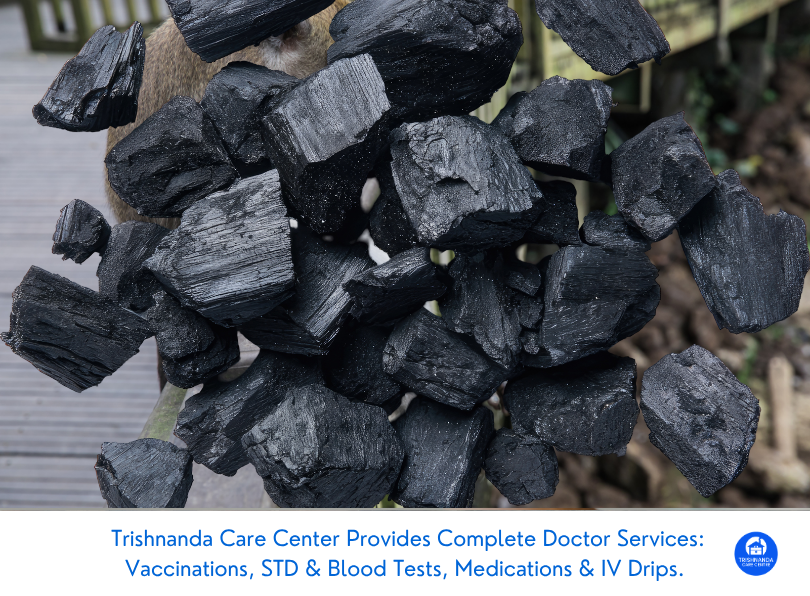
Can I Take Charcoal with Antibiotics? The Bali Traveler’s Medication Guide
Medication Safety for Bali Travelers
Traveling through Bali brings excitement, new experiences, and sometimes the inconvenience of stomach upsets or infections. Whether you are here for a surf retreat, a yoga escape, or simply to enjoy the island’s beauty, you may find yourself reaching for over-the-counter remedies or prescribed medications. Two common items in travelers’ first aid kits are activated charcoal (often used for stomach issues) and antibiotics (for bacterial infections). But can you safely take charcoal and antibiotics together? And how do you manage your medications while enjoying your trip?
At Trishnanda Care Centre, we prioritize your health and safety with 24/7 doctor-on-call services, English-speaking medical staff, and free island-wide delivery of medications and treatments. This guide will help you understand how to use activated charcoal and antibiotics wisely during your Bali adventure.
What Is Activated Charcoal?
Activated charcoal is a fine black powder made from materials like coconut shells or wood that have been heated to become highly adsorbent. In medicine, it is commonly used to treat poisoning or overdoses, but it is also popular among travelers as a remedy for food poisoning, gastroenteritis (“Bali Belly”), or accidental ingestion of questionable foods.
When taken orally, activated charcoal binds to substances in the stomach and intestines, potentially reducing their absorption into the body. This property makes it a go-to for some travelers facing sudden digestive woes.
When Should You Use Activated Charcoal?
• Bali Belly: If you develop symptoms of foodborne illness diarrhea, vomiting, or stomach cramps activated charcoal may be recommended as an initial remedy. Read more about Bali Belly at our dedicated guide.
• Accidental Ingestion: For certain toxins or accidental drug ingestion (under medical supervision only).
• Not For Routine Use: It should not be used “just in case” or as a daily preventative.
While activated charcoal is available at many Balinese pharmacies, always consult a medical professional before self-medicating, especially if you’re already taking other drugs.
Understanding Antibiotics: When Are They Needed?
Antibiotics are prescription medications designed to treat bacterial infections not viral illnesses like the common cold or flu. In Bali, antibiotics may be prescribed for conditions such as:
• Bacterial gastroenteritis (severe traveler’s diarrhea)
• Urinary tract infections
• Respiratory tract infections (in select cases)
• Certain skin infections or wounds
Taking antibiotics when not needed can lead to side effects and antibiotic resistance. Trishnanda Care Centre offers doctor consultations 24/7, so you can get an accurate diagnosis before starting any antibiotic course.
How Do Antibiotics Work?
Antibiotics work by targeting specific bacteria in your body. They are absorbed from your digestive tract into your bloodstream to reach the site of infection. Consistent dosing and timing are crucial for their effectiveness.
The Interaction: Can You Take Charcoal with Antibiotics?
The Science Behind Drug Absorption
Activated charcoal’s powerful adsorptive capacity means it doesn’t discriminate between “good” and “bad” substances it can bind to medications as well as toxins in your gut. According to reputable sources such as the U.S. National Library of Medicine and Mayo Clinic, activated charcoal may reduce the absorption and effectiveness of many oral medications if taken close together.
Antibiotic Absorption & Charcoal Interference
When you take antibiotics by mouth, they must be absorbed through your gastrointestinal tract to enter your bloodstream. If you ingest activated charcoal around the same time, it can adsorb the antibiotic molecules in your stomach and intestines meaning less of the drug gets into your system. This can make antibiotics less effective or entirely ineffective.
Which Antibiotics Are Affected?
Most commonly prescribed oral antibiotics including ciprofloxacin, amoxicillin, doxycycline, azithromycin, and others can have their absorption reduced by activated charcoal if taken together.
How Much Time Should Separate Charcoal from Antibiotics?
To minimize interaction risk:
• Wait at least 2-4 hours between taking activated charcoal and any oral medication (including antibiotics).
• If you must use both (e.g., you have Bali Belly treated with both remedies), take your antibiotic first and wait at least two hours before taking activated charcoal.
• If unsure about timing or necessity, consult a medical professional before combining treatments.
This cautious spacing helps ensure antibiotics are absorbed effectively before any potential interference from charcoal.
Exceptions & Emergencies: When to Prioritise One Over the Other
• If prescribed both by a doctor: Follow their specific instructions on timing.
• If experiencing severe poisoning: Activated charcoal might be given first in an emergency setting your doctor will then advise on when to start other necessary medications.
• If using IV antibiotics: Charcoal does not interact with intravenous drugs.
Bali Traveler Scenarios: What Should You Do?
If You Experience “Bali Belly”
Acute diarrhea is one of the most common health complaints among visitors to Bali. While most cases resolve on their own with hydration and rest, some may require medical intervention.
• Mild Symptoms: Oral rehydration salts (ORS), clear fluids, rest and possibly activated charcoal if approved by a doctor.
• Persistent Symptoms: If symptoms last more than 48 hours or worsen (fever, blood in stool), seek immediate medical advice. A doctor may prescribe antibiotics if a bacterial cause is suspected.
• If Taking Both: Separate doses by several hours as explained above.
• IV therapies for Bali Belly relief are available via mobile service across Bali through Trishnanda Care Centre.
Remember: Not all cases of diarrhea require antibiotics; self-diagnosing can do more harm than good.
If You Are Prescribed Antibiotics Abroad
It’s important to finish any course of antibiotics exactly as prescribed even if you feel better partway through treatment. Incomplete courses can lead to resistant bacteria.
• Avoid unnecessary supplements (including activated charcoal) unless discussed with your healthcare provider.
• If you are struggling with nausea or side effects from antibiotics themselves and considering home remedies ask our English-speaking doctors for advice instead of self-medicating.
• You can access our 24/7 mobile doctor-on-call services anywhere in Bali for guidance on side effects or alternative treatments.
Free island-wide delivery means we can provide replacement medication promptly if required.
The Role of IV Therapies for Travelers in Bali
Bali’s heat, unpredictable food hygiene standards, and risk of dehydration make mobile IV therapy an invaluable service for visitors especially when oral intake is difficult due to vomiting or severe illness.
• Hydration IVs: Replenish fluids lost from diarrhea or vomiting rapidly.
• Immunity IVs: Support recovery from infections while traveling.
• Bali Belly Mom Care: Tailored support for mothers suffering digestive distress on the island.
• Fever & Flu IVs: For viral illnesses where supportive care is key.
• Hangover Recovery IVs: For rapid post-celebration recovery without oral medications that could interact with others.
• Iron IVs: For travelers with known deficiencies who want fast results without oral iron’s gastrointestinal side effects.
• No additional charges for transportation our nurses bring care directly to your villa, hotel room, or apartment across the island!
Troubleshooting: What If You Accidentally Combine Charcoal & Antibiotics?
If you mistakenly take activated charcoal too soon after an antibiotic dose:
• Do not double-dose either medication later on.
Your next steps should include:
• Mild cases: Resume normal dosing at the next scheduled interval; inform your healthcare provider if concerned about missed absorption.
• If symptoms worsen or infection persists: Contact Trishnanda Care Centre immediately using our 24/7 WhatsApp hotline for further instructions from an English-speaking doctor or nurse. Replacement medication can be delivered free anywhere on the island if needed.
Avoiding Self-Medication Pitfalls While Traveling in Bali
Main Principles for Safe Medication Use Abroad
• Avoid combining over-the-counter remedies with prescription medications unless advised by a doctor.
• Always read package inserts carefully even familiar brands may contain different ingredients internationally.
• If unsure about drug interactions (such as between activated charcoal and antibiotics), ask before taking both together even hours apart.
• If symptoms persist beyond 24–48 hours despite self-treatment or if you develop fever, dehydration signs (dark urine, confusion), blood in stool/vomit seek professional care immediately.
The Value of Mobile Medical Services in Bali
Bali’s healthcare landscape can be daunting for tourists unfamiliar with local providers and language barriers. Trishnanda Care Centre offers peace of mind through:
• 24/7 mobile reach across all major tourist areas from Canggu to Uluwatu and beyond.
• No extra transportation charges we come directly to you wherever you’re staying.
• A full range of urgent care services: IV therapies (immunity support, hydration treatment), doctor consultations, lab testing (including dengue NS1 + CBC panels), travel vaccinations & more all performed by English-speaking healthcare staff who understand international standards of care.
Your Medication Checklist: Traveling Smart in Bali
• Packing essentials: Bring only essential prescription meds along with their original packaging; include copies of prescriptions where possible for customs clearance at airports.
• Avoid stocking up on unnecessary supplements or mixing remedies without medical advice a little knowledge goes a long way toward safe travel health management!
Can You Take Charcoal With Antibiotics?
The short answer: Yes but only with careful timing under professional guidance. Mixing activated charcoal too close to oral antibiotic doses reduces their absorption and efficacy. Always separate these two medicines by at least 2–4 hours or consult a doctor first. Never self-medicate for severe symptoms; prompt medical attention prevents complications.
This content is for general information only and does not constitute medical advice. Always consult a qualified healthcare professional for personalised diagnosis and treatment.
Your health comes first wherever you are on the Island of the Gods! Connect instantly with our 24/7 English-speaking doctors & nurses via WhatsApp for bookings or questions:
BOOK YOUR MEDICAL VISIT OR ASK A QUESTION HERE ON WHATSAPP NOW!