
Rabies & Typhoid: Essential Vaccinations for Australians in Ubud this Easter
Why Vaccination Matters in Bali
Australia enjoys rigorous public health measures, and many Australians have grown up with comprehensive vaccination programs. However, traveling to destinations like Ubud, Bali, exposes visitors to infectious diseases that are rare or absent at home. Two of the most significant risks for Australians visiting Bali, especially during peak holiday periods like Easter, are rabies and typhoid. While both illnesses are preventable, they pose serious health threats if not addressed before or during your trip.
At Trishnanda Care Centre, we aim to equip you with the knowledge to travel safely and confidently. With our 24/7 mobile healthcare clinic and English-speaking doctors and nurses, you can access vital vaccinations and medical support wherever you are in Bali.
The Risk of Rabies in Bali
Understanding Rabies
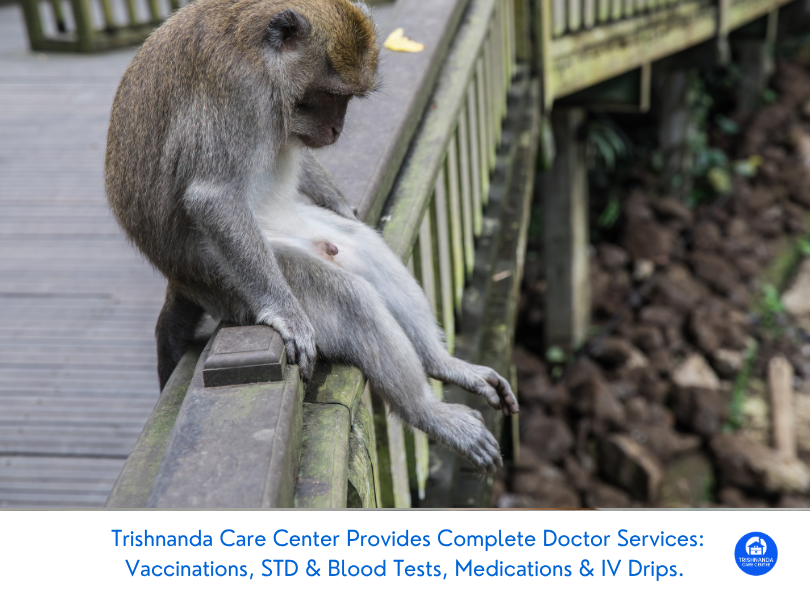
Rabies is a viral disease that affects the central nervous system. It is almost always fatal once symptoms develop. The rabies virus is typically transmitted through the bite or scratch of an infected animal, most commonly dogs, but also monkeys and bats, which are abundant in Ubud.
According to the World Health Organization (WHO) and Centers for Disease Control and Prevention (CDC), Indonesia remains a rabies-endemic country. Several provinces in Bali have reported cases of human rabies transmission in recent years. In tourist hotspots such as Ubud, encounters with stray animals or monkeys (particularly around the Sacred Monkey Forest Sanctuary) are common.
How Rabies Is Transmitted
• Bites from infected animals.
• Scratches that break the skin.
• Saliva from an infected animal contacting mucous membranes (eyes, mouth) or broken skin.
Why Australians Are at Risk
Unlike Australia, where rabies is not present, Indonesian animals may carry the virus without showing symptoms. Many Australians are unaware of this heightened risk, which can lead to unsafe interactions with local wildlife.
Rabies Vaccination: Who Should Get It?
The Australian Government’s Department of Health recommends pre-exposure rabies vaccination for travelers who:
• Plan to visit rural areas or locations where access to medical care is limited.
• Engage in activities involving animals (volunteering at shelters, visiting monkey forests).
• Are likely to stay for extended periods or travel with young children.
• May work with animals or wildlife.
Given Ubud’s attractions, including animal sanctuaries and open-air markets, these criteria apply to many holidaymakers.
What the Rabies Vaccine Involves
The rabies vaccine is typically administered as a series of three injections over 21–28 days. If you plan ahead, you can complete this series before departing Australia. However, if you have not yet been vaccinated and are already in Bali, Trishnanda Care Centre offers on-call doctor consultations for post-exposure treatment, including wound care and post-exposure prophylaxis if necessary. Learn more about our doctor-on-call services.
What To Do After a Suspected Exposure
Even if you have received pre-exposure vaccination, immediate wound cleaning and medical attention are critical after any bite or scratch from a mammal. Our mobile team provides rapid assessment and post-exposure treatment 24/7 across Bali.
The Threat of Typhoid Fever
Understanding Typhoid
Typhoid fever is caused by the bacterium Salmonella typhi and spreads via contaminated food or water, a risk heightened during travel in Southeast Asia. The CDC classifies Indonesia as a high-risk country for typhoid transmission.
Symptoms include:
• Persistent high fever
• Headache
• Fatigue
• Stomach pain
• Diarrhea or constipation
Untreated typhoid can lead to severe complications such as intestinal perforation or long-term carriage of the bacteria.
Why Typhoid Is a Concern for Australians in Ubud
While Australia has strict food safety standards and clean water supplies, Bali’s infrastructure varies widely. Even reputable restaurants or resorts may occasionally experience water contamination due to local supply issues.
Holidaymakers often sample street food, fresh salads, juices, and ice, common sources of typhoid bacteria if hygiene is compromised. Since Easter is a peak travel season with increased demand on local food services, risks can be higher due to lapses in food handling.
Who Should Be Vaccinated Against Typhoid?
The Australian Immunisation Handbook recommends typhoid vaccination for travelers spending time in Indonesia, especially those traveling outside major resort areas or planning an extended stay. Families with children, adventurous eaters, and anyone susceptible to digestive upset should strongly consider immunisation.
Vaccination is particularly important if you:
• Stay in guesthouses or homestays
• Eat local/street food
• Have underlying digestive conditions
For those who suffer from food-related digestive issues while traveling (such as “Bali Belly”), Trishnanda Care Centre also offers Food Intolerance IV Therapy and Bali Belly IV packages for rapid recovery.
Typhoid Vaccine: What You Need to Know
There are two main types of typhoid vaccine:
• Injectable (inactivated)
• Oral (live attenuated)
Both require administration at least one week prior to potential exposure for optimal protection. Our medical team can advise which option suits your travel plans best. If you haven’t had your typhoid vaccine before arriving in Bali, our English-speaking doctors can arrange safe administration in your villa or hotel room.
Learn more about our full range of tests and vaccinations.
Travel Health Planning: Before & During Your Trip
Prevention Is Better Than Cure
Planning ahead significantly reduces your risk of serious illness abroad. Key steps include:
• Verifying your existing immunisations (including routine vaccines)
• Scheduling pre-travel vaccinations at least 4 weeks before departure
• Practicing safe food and water hygiene
• Avoiding contact with wild animals
For last-minute trips or if you’ve forgotten a vaccine, Trishnanda Care Centre’s 24/7 doctor-on-call service can quickly assess your needs upon arrival in Bali.
Why Choose Mobile Healthcare?
Our mobile clinic model ensures you receive timely care wherever you’re staying, from luxury resorts to rural villas, without waiting rooms or language barriers. We understand that health concerns can happen anytime, especially during holidays when clinics may be closed.
Trishnanda Care Centre provides:
• 24/7 English-speaking doctors & nurses
• In-villa vaccination services
• In-villa laboratory tests (including dengue NS1 + CBC)
• Free home delivery of medications
If you feel unwell after eating out or suspect exposure to infectious diseases, our Immunity IV Therapy can provide supportive treatment while our team investigates further.
Bali’s Unique Health Environment: What Else Should You Consider?
Other Risks Beyond Rabies & Typhoid
While rabies and typhoid are top concerns for Australian travelers during Easter in Ubud, other common health issues include:
• Dengue fever (spread by mosquitoes)
• “Bali Belly” (traveler’s diarrhea)
• Dehydration from heat/humidity
Trishnanda Care Centre offers targeted IV therapy packages including Dengue IV therapy, hydration packages, and more to support your recovery if illness strikes during your holiday.
If you’re pregnant or traveling with children, ask about our specialised Bali Belly Mom Care IV Therapy for tailored support.
How Can You Book an Appointment?
Booking healthcare services while on holiday should be simple and secure. At Trishnanda Care Centre we make it easy: just use WhatsApp for fast responses from our team, no online forms required.
Contact us via WhatsApp now for any urgent questions or appointment requests.
Remember: All vaccinations and treatments can be delivered directly to your villa on the island at no extra charge, ensuring convenience and total peace of mind throughout your stay in Ubud.
Your Health Is Your Best Travel Companion
Easter is a time for relaxation and adventure in beautiful Bali. Protecting yourself against preventable illnesses like rabies and typhoid ensures your trip remains memorable for all the right reasons. By vaccinating before, or promptly upon arrival, you drastically reduce your risk of serious illness far from home.
Trishnanda Care Centre stands ready with 24/7 on-call doctors, English-speaking staff, comprehensive testing panels, mobile IV therapies (for immunity boosts or hydration), and free delivery.
Travel smart this Easter: prioritise vaccination so you can focus on discovering everything Ubud has to offer, with confidence that help is always just a message away if needed.
Book now via WhatsApp:
https://api.whatsapp.com/send/?phone=628973969711&text&type=phone_number&app_absent=0
This content is for general information only and does not constitute medical advice. Always consult a qualified healthcare professional for personalised diagnosis and treatment.