
Rainy Season 2026 Update: New High-Risk Zones for Mosquito-Borne Illnesses in Bali
Mosquito-borne illnesses are a persistent challenge in Bali, especially during the rainy season. With 2026’s monsoon patterns already leading to increased rainfall and standing water, new high-risk areas for dengue fever and other vector-borne diseases have emerged. As a trusted mobile healthcare clinic, Trishnanda Care Centre is committed to keeping our community safe, informed, and healthy. This comprehensive update will cover the latest risk zones, why these shifts are happening, and how you can protect yourself and your family throughout this year’s rainy season.
Understanding Mosquito-Borne Illnesses: Risks and Impact
Why Rainy Season Increases Risk
Mosquitoes thrive in warm, humid climates where stagnant water accumulates. Bali’s rainy season, typically from November through March, creates ideal breeding grounds puddles, clogged drains, containers left outdoors, and even small garden features can serve as nurseries for mosquito larvae. The primary disease of concern is dengue fever, but chikungunya, Zika virus, and Japanese encephalitis also circulate in the region.
Key Mosquito-Borne Diseases in Bali
Dengue Fever: The most common mosquito-borne illness in Bali. Symptoms include high fever, severe headache, joint pain, nausea, rash, and sometimes dangerous complications like dengue hemorrhagic fever.
Chikungunya: Causes fever and debilitating joint pain; symptoms can linger for weeks or months.
Zika Virus: Generally mild but of particular concern for pregnant women due to the risk of birth defects.
Japanese Encephalitis: Rare but serious; can cause inflammation of the brain and neurological complications.
For more details on dengue and available treatments such as our Dengue IV Therapy, visit our dedicated service page.
2026 Rainfall Patterns: Why High-Risk Zones Are Changing
This year’s rainfall has been both intense and erratic due to El Niño and La Niña oscillations affecting weather across Southeast Asia. According to the Indonesian Meteorological Agency (BMKG) and data from the World Health Organization (WHO), prolonged heavy rains have shifted traditional mosquito breeding grounds. Areas previously considered moderate risk are now seeing spikes in mosquito populations.
Factors Driving New Risk Zones
Urban Expansion
Rapid development in southern Bali has led to more construction sites with exposed water sources. Without proper drainage or water management, these sites become hotspots for Aedes mosquitoes (the species responsible for dengue).
Shifts in Water Management
Improved irrigation in some agricultural zones has helped reduce risk locally. However, poor maintenance or temporary flooding in other areas has increased risk elsewhere.
Increased Tourism Traffic
Popular tourist hubs experience higher rates of imported cases and greater crowding in accommodations with variable mosquito control measures.
Current High-Risk Zones: 2026 Update
Southern Bali: Canggu, Seminyak & Kuta
These areas remain at high risk due to dense populations, ongoing construction projects, and frequent standing water after downpours. Local health authorities report a notable uptick in dengue cases since January 2026.
What Residents & Visitors Should Know
• Monitor local government advisories regarding outbreaks.
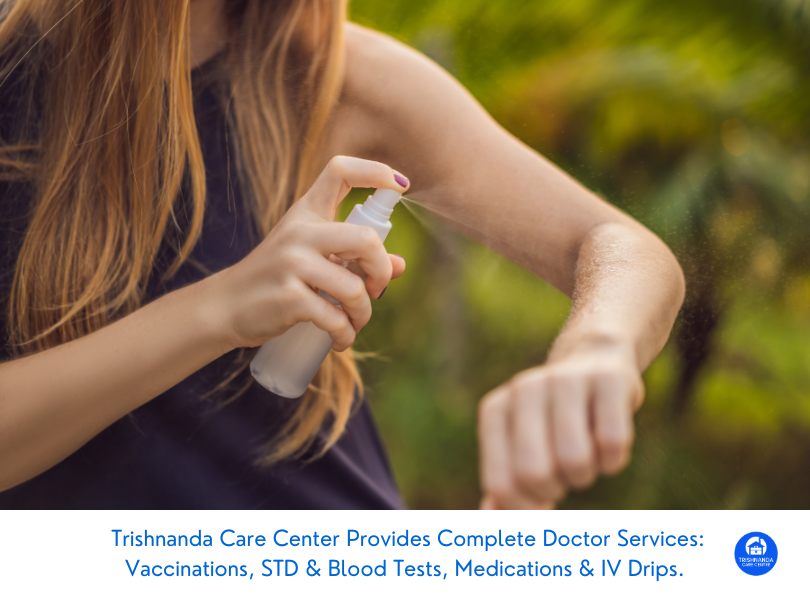
• Use insect repellent with DEET or picaridin when outdoors.
• Ensure accommodations have screens or air conditioning.
• Avoid outdoor activities during peak mosquito hours (dawn/dusk).
Gianyar & Ubud Districts
Previously considered moderate risk, parts of Ubud and Gianyar are now seeing increased mosquito activity. The combination of lush vegetation and intermittent flooding has made even upscale villas vulnerable.
Preventive Measures
• Regularly check private pools and garden features for stagnant water.
• Contact villa management about professional mosquito control services.
• If you feel unwell after a mosquito bite (fever, aches), seek immediate medical attention by booking a Doctor-on-Call visit.
Denpasar City Suburbs: Renon & Sanur
Recent sanitation challenges have led to blocked drains and pooling water in Renon and Sanur neighborhoods. These urban locations now report a higher incidence of dengue than previous years.
Key Advice
• Participate in local community clean-up days.
• Dispose of trash that may collect rainwater (bottles, cans).
• Consider regular Immunity IV Therapy as a supportive measure during peak season.
North Bali: Lovina & Singaraja
While traditionally lower risk due to cooler temperatures and breezes, isolated outbreaks have been reported this year after flash floods. Rural health clinics are on alert for increases in both dengue and chikungunya.
Travel Tips
• Bring personal mosquito nets when staying outside major towns.
• Consult with Trishnanda Care Centre about recommended vaccinations (Travel Vaccinations).
• If symptoms arise while traveling remotely, use our 24/7 mobile reach we send English-speaking doctors or nurses directly to your location across Bali.
Protecting Your Health: Evidence-Based Prevention Strategies
Personal Protection Measures
Repellents & Clothing Choices
The Centers for Disease Control (CDC) and WHO recommend using EPA-approved repellents (like DEET or picaridin), wearing long sleeves/trousers at dawn or dusk, and treating clothing with permethrin if possible.
Accommodation Safety
Choose hotels or villas with effective mosquito control such as screened windows/doors or air conditioning. Inspect rooms upon arrival for any gaps or standing water sources.
Environmental Control: What Communities Can Do
Source Reduction
Community efforts are crucial. Participate in regular clean-ups, clear drains around homes or businesses, and empty containers that could collect rainwater after storms.
Larvicide Programs
Local authorities often conduct fogging campaigns during outbreaks. Support these efforts by allowing access to properties when notified.
Early Detection: Recognizing Symptoms & Getting Tested
Knowing the early signs of mosquito-borne illnesses is vital for prompt treatment:
Dengue: Sudden high fever (often over 39°C), severe headache behind the eyes, muscle/joint pain (“breakbone fever”), nausea/vomiting, rash.
Chikungunya: High fever combined with severe joint pain/swelling.
Zika: Mild fever/rash; pregnant individuals should seek immediate testing if exposed.
If you develop symptoms after being bitten by mosquitoes:
1. Rest and stay hydrated; avoid aspirin or non-steroidal anti-inflammatory drugs until dengue is ruled out.
2. Book an in-villa lab test with Trishnanda Care Centre we offer rapid dengue NS1 antigen tests and CBC panels delivered directly to your accommodation anywhere on the island.
3. Consult our Doctor-on-Call service for professional assessment at any hour by English-speaking staff.
Treatment Options Available from Trishnanda Care Centre
Mobile IV Packages & Home-Based Care
Hydration & Immunity Support IVs
Our Hydration and Immunity IV therapies help manage symptoms like fever or fatigue associated with viral infections.
Dengue Recovery Packages
For those diagnosed with dengue through our lab tests:
• We offer specialized Dengue IV Therapy including fluids, vitamins/minerals to support immune function during recovery.
• All care is provided at your hotel or villa by trained medical professionals reducing your exposure to hospital environments during outbreaks.
24/7 English-Speaking Medical Support Across Bali
Trishnanda Care Centre operates island-wide with round-the-clock availability:
• English-speaking doctors/nurses ready to visit you wherever you stay
• In-villa consultations for travelers and residents
• Rapid response for urgent medical needs throughout Bali’s rainy season
If you suspect any mosquito-borne illness or simply want preventive guidance before traveling through high-risk zones, contact us directly via WhatsApp.
Special Service Highlight: Free Island-Wide Delivery
To make healthcare as accessible as possible during this critical time:
Trishnanda Care Centre offers free delivery of all medications, IV packages, lab test kits, and medical supplies anywhere on the island whether you’re in tourist hotspots like Seminyak or remote areas.
This ensures you receive timely care without needing to travel during outbreaks or inclement weather conditions. It also reduces your exposure risk while waiting for essential treatments or test results.
How To Book Your Health Treatment With Us This Rainy Season
Staying safe from mosquito-borne illnesses requires vigilance but it also means having immediate access to trusted healthcare support if you need it. At Trishnanda Care Centre:
• We provide 24/7 doctor-on-call services
• Our team includes English-speaking physicians/nurses
• You can access all services — IV therapies (including Immunity & Dengue IVs), lab tests (dengue NS1/CBC), travel vaccinations
• Free island-wide delivery is available on all packages
Booking is simple: Contact us directly via WhatsApp at any hour using this link.
Take proactive steps this rainy season: monitor health advisories, use protective measures against mosquitoes, watch for symptoms of illness and trust Trishnanda Care Centre as your partner for prompt diagnosis and care anywhere across Bali.
Disclaimer
This content is for general information only and does not constitute medical advice. Always consult a qualified healthcare professional for personalised diagnosis and treatment.