
Dengue Season Bali 2026: Why February Is High-Risk (and What to Do First)
Understanding Dengue in Bali: An Annual Challenge
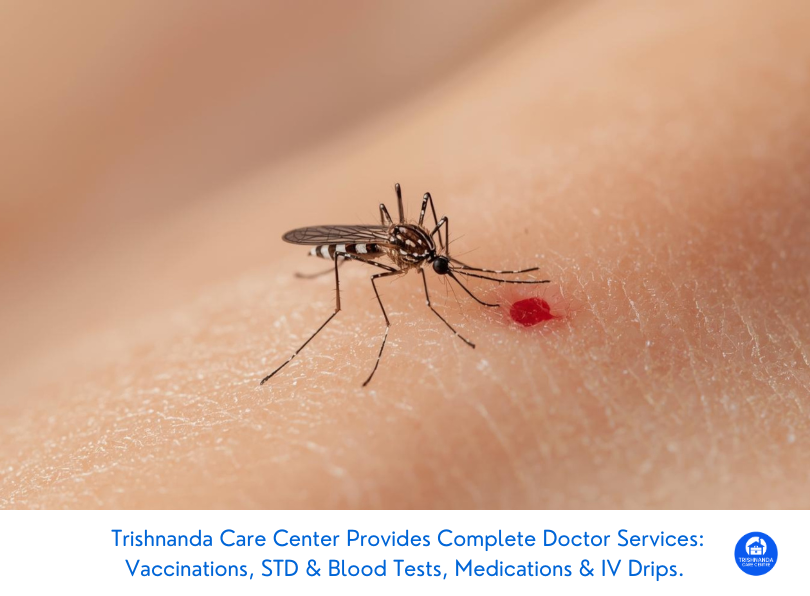
Bali is world-famous for its natural beauty and vibrant culture, attracting millions of travelers each year. However, beneath the island’s allure lies a persistent public health challenge: dengue fever. Caused by the dengue virus and transmitted primarily by the Aedes aegypti mosquito, dengue is prevalent across Southeast Asia and especially relevant for Bali’s residents and visitors.
Each year, Bali faces a predictable surge in dengue cases, with February consistently emerging as the month of highest risk. In this blog post, we draw from leading medical sources (including World Health Organization and Indonesian Ministry of Health data) to explain why February is particularly dangerous, what symptoms to watch for, and the immediate steps you should take if you suspect dengue.
Why February Is High-Risk for Dengue in Bali
The Rainy Season Connection
Dengue outbreaks are closely linked to weather patterns. Bali’s rainy season typically spans from November to March, with peak rainfall in January and February. Heavy rains create ideal breeding sites for mosquitoes especially in urban environments where water collects in containers, gutters, and plant pots.
According to the Indonesian Ministry of Health, dengue incidence on the island consistently spikes following periods of intense rainfall. In 2024 and 2025, Bali experienced record-high numbers of reported cases in February. Preliminary climate forecasts suggest a similar pattern for 2026.
Mosquito Life Cycle and Viral Spread
Aedes mosquitoes thrive in warm, humid conditions with abundant stagnant water. After rain, mosquito eggs hatch rapidly. The more mosquitoes present, the higher the likelihood of viral transmission between infected and healthy individuals.
Moreover, once an outbreak begins, it can escalate rapidly mosquitoes can transmit the virus from one person to another within days. This is why heightened vigilance is essential during the rainy season’s peak.
Dengue Symptoms: What to Watch For
Dengue’s early symptoms can overlap with flu or other common tropical illnesses. Timely identification is critical for effective management.
Common Early Symptoms
• Sudden high fever (often above 39°C/102°F)
• Severe headache (especially behind the eyes)
• Pain in muscles, bones, or joints (“breakbone fever”)
• Nausea and vomiting
• Skin rash (may appear after a few days)
• Mild bleeding (nosebleeds, gum bleeding, easy bruising)
Symptoms typically develop 4-10 days after being bitten by an infected mosquito. Most cases resolve in about a week with proper care, but severe forms known as dengue hemorrhagic fever or dengue shock syndrome can be life-threatening.
Warning Signs of Severe Dengue
• Persistent vomiting or severe abdominal pain
• Rapid breathing or difficulty breathing
• Fatigue or restlessness
• Bleeding under the skin or from mucous membranes
• Sudden drop in blood pressure (shock)
If any of these appear, seek urgent medical attention immediately.
What To Do First: Immediate Actions if You Suspect Dengue
Prompt intervention makes a significant difference in dengue outcomes. If you or someone you know develops suspicious symptoms during Bali’s high-risk months:
1. Seek Medical Evaluation Without Delay
Early diagnosis is key to preventing complications. At Trishnanda Care Centre, our 24/7 doctor-on-call service brings English-speaking doctors and nurses directly to your villa anywhere on the island. We conduct in-villa assessments and recommend appropriate investigations.
Dengue Testing at Home
Our team can perform rapid dengue NS1 antigen tests combined with Complete Blood Count (CBC) analysis onsite at your location—no need to visit a hospital or clinic during your most vulnerable time.
For those looking for a broader health check-up or additional travel-related testing (such as vaccinations), please explore our comprehensive tests and vaccination services here.
2. Start Supportive Care Immediately
There is no specific antiviral treatment for dengue itself; management focuses on supportive care:
• Hydration: Dehydration is a major risk due to high fever and vomiting. Drink plenty of fluids (water, oral rehydration solutions). For moderate to severe cases or if oral intake is difficult, mobile IV hydration therapy is recommended.
• Rest: Limit physical activity to reduce strain on your body.
• Pain Relief: Use paracetamol/acetaminophen for pain or fever relief; avoid NSAIDs like ibuprofen or aspirin which can increase bleeding risk.
Trishnanda Care Centre provides tailored IV packages specifically designed for dengue recovery including fluids, electrolytes, vitamins and symptom-targeted medications administered safely at home by trained professionals. Learn more about our dedicated Dengue IV Therapy here. Our team also offers free island-wide delivery of prescribed medicines and medical supplies.
3. Monitor for Severe Warning Signs
Continue to monitor symptoms closely over the next several days. If you notice persistent vomiting, severe abdominal pain, difficulty breathing or any signs of bleeding (including gums or nose), contact us urgently for escalation of care.
Our medical team remains available around-the-clock throughout Bali including nights, weekends and holidays to respond quickly when urgent intervention is needed.
Dengue Prevention: How to Protect Yourself During Peak Season
Prevention remains the best strategy against dengue infection during high-risk months:
Avoid Mosquito Bites
• Apply mosquito repellent: Use products containing DEET, picaridin or IR3535 on exposed skin.
• Dress protectively: Wear long-sleeved shirts and trousers when outdoors.
• Use physical barriers: Sleep under insecticide-treated nets; ensure window screens are intact; keep doors closed where possible.
• Avoid dawn/dusk exposure: Mosquitoes that spread dengue are most active during early morning and late afternoon.
Remove Breeding Sites Around Your Villa or Residence
• Eliminate standing water: Regularly empty flowerpots, buckets, pet bowls and any containers holding water.
• Treat water storage areas: Use larvicides where appropriate.
If you experience any flu-like symptoms while staying in Bali during February or if you want proactive protection consider our mobile travel health consultations and vaccination services available through Trishnanda Care Centre.
The Role of Immunity & IV Therapies During Dengue Season
While there is no cure for dengue itself, robust immune support may improve outcomes and accelerate recovery. Our immunity-enhancing intravenous therapies are formulated with vitamins C and B-complexes alongside trace minerals that support your body’s natural defenses.
For those recovering from illness or wanting extra protection against common tropical viruses during their stay in Bali:
• Immunity IV Therapy Packages
• Hydration IV Packages
• Vitamin D Booster IV Therapy & Healthy Skin Support
All packages are delivered free island-wide by our certified nurses—no need to leave your accommodation at any stage of your illness or recovery.
Your Trusted Partner: Why Choose Trishnanda Care Centre?
Trishnanda Care Centre has established itself as Bali’s leading mobile healthcare provider with a patient-first philosophy:
• 24/7 Doctor-on-Call & Nurse Visits: English-speaking professionals come direct to your villa day or night for consultations and treatments.
• In-Villa Lab Testing: Rapid dengue testing (NS1 + CBC), STD panels, thyroid function tests—all performed on-site for fast results.
• No Waiting Rooms: All services are delivered at home or in your villa anywhere on the island.
• The Latest Promotions & Offers: Check our current deals on all mobile healthcare packages on our dedicated promo page: Latest Promotions Here!
Act Early During Dengue Season Especially in February
February marks the highest risk period for contracting dengue fever in Bali due to climatic factors favoring mosquito breeding and viral transmission. Whether you’re visiting the island for leisure or residing here long-term:
• If you develop high fever plus headache or muscle pain during this period seek prompt medical review.
• If diagnosed early with mild symptoms stay hydrated and rest under close observation by healthcare professionals.
• If you notice signs suggesting severe disease do not delay; contact emergency services immediately.
• If you want proactive support for your immune system before arrival or quick access to IV therapies after onset contact Trishnanda Care Centre directly.
• If you want rapid access to lab tests at home book our doctor-on-call services anytime via WhatsApp below.
Your Next Steps: How To Book Medical Care Instantly Anywhere in Bali
Trishnanda Care Centre makes it easy to get professional care whenever you need it most:
• 24/7 reach via WhatsApp only book doctors’ visits, nurse support, lab tests or any mobile IV therapies instantly using this link:
Book Now via WhatsApp – Trishnanda Care Centre Bali
This content is for general information only and does not constitute medical advice. Always consult a qualified healthcare professional for personalised diagnosis and treatment.