
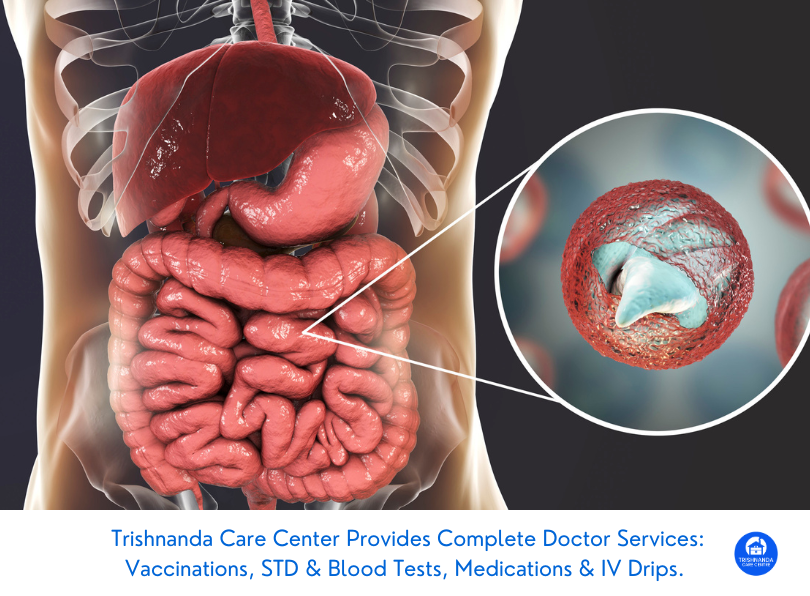
Parasites vs Bali Belly: When a Stool Test Is Worth It
Traveling in Bali is an experience like no other. The island’s vibrant culture, stunning beaches, and world-class hospitality attract millions each year. However, visitors and even long-term residents can find their adventure interrupted by persistent stomach issues. Two of the most common culprits are “Bali Belly” and parasitic infections. While both can cause similar symptoms, their causes, treatments, and potential complications differ significantly. Understanding when to seek a stool test and what to do next can make a critical difference in your health and peace of mind.
Understanding the Basics: Bali Belly vs Parasitic Infections
Bali Belly: More Than Just Traveler’s Diarrhea
Bali Belly is the colloquial term for acute gastroenteritis contracted by travelers in Bali. Most commonly, it is caused by consuming contaminated food or water. The infection is usually bacterial (such as E. coli, Salmonella, or Campylobacter), but viruses and, less commonly, parasites can also be to blame.
Typical Symptoms of Bali Belly
• Sudden onset of watery diarrhea
• Nausea and vomiting
• Abdominal cramps
• Bloating and flatulence
• Mild fever
• Fatigue and dehydration if severe or prolonged
Course and Resolution
Bali Belly typically resolves within a few days with rest, oral rehydration, and supportive care. However, symptoms lasting more than a week or those accompanied by high fever, blood in the stool, or severe dehydration require medical attention.
For more information about managing Bali Belly and IV therapy options for rapid relief, visit our dedicated Bali Belly page.
Parasitic Infections: A Different Challenge
Parasitic infections are less common than bacterial gastroenteritis but can be more persistent and complex to treat. Parasites such as Giardia lamblia, Entamoeba histolytica, and various worms can be acquired from contaminated food, water, or even swimming in untreated pools or natural bodies of water.
Typical Symptoms of Parasitic Infection
• Intermittent or chronic diarrhea (sometimes greasy or foul-smelling)
• Bloating and excessive gas
• Cramps or abdominal pain that comes and goes
• Nausea (less often vomiting)
• Unintentional weight loss over time
• Fatigue due to malabsorption of nutrients
• Sometimes low-grade fever or itching around the anus (in case of certain worms)
The symptoms can persist for weeks or months if untreated. Some parasitic infections may also cause complications such as anemia or nutritional deficiencies.
Bali’s Unique Risk Factors for Digestive Illnesses
Bali’s tropical climate, popular street food culture, and variable water sanitation standards present unique challenges:
• High humidity: Promotes bacterial and parasitic growth on food left unrefrigerated.
• Untreated water: Even ice cubes made from tap water can harbor pathogens.
• Crowded tourist areas: Increase chances of cross-contamination.
• Lack of immunity: Travelers may lack resistance to local strains of bacteria or parasites.
This means that even the most careful traveler can fall ill despite taking precautions.
When Is It Time for a Stool Test?
The Role of Diagnostic Testing in Digestive Illnesses
A stool test analyzes a sample of your feces to identify pathogens like bacteria, viruses, or parasites. While most cases of mild Bali Belly resolve without laboratory testing, there are situations where a stool test is essential for accurate diagnosis and effective treatment.
Key Indications for a Stool Test:
• Symptoms persist beyond 7 days: Prolonged diarrhea could indicate something more than simple bacterial gastroenteritis.
• Recurrent digestive issues: Bouts of diarrhea that seem to come back after initial improvement are often due to parasites.
• Bloody stools: May signal invasive bacteria or parasites like amoebiasis.
• Significant weight loss: Unexplained weight loss along with gastrointestinal symptoms warrants investigation.
• No improvement with standard treatment: If anti-diarrheal medications or antibiotics have not helped, further testing is needed.
• Epidemiological risk factors: Recent exposure to untreated water sources (rivers, lakes) or known outbreaks in your area.
• Sensitive populations: Young children, pregnant women (see our special support via the Bali Belly Mom Care IV Therapy package) and immunocompromised individuals should be assessed promptly.
The Value of Early Diagnosis
A timely stool test allows your healthcare provider to pinpoint the exact cause of your illness. This avoids unnecessary antibiotics (which do not help viral or many parasitic infections), reduces complications from untreated disease, prevents transmission to others, and helps you recover faster so you can get back to enjoying Bali.
If you are unsure whether you need a test, our 24/7 English-speaking doctors at Trishnanda Care Centre offer mobile consultations throughout Bali. We provide in-villa lab testing with free island-wide delivery no need to visit a clinic when you are unwell. Learn more about our mobile diagnostic services on our comprehensive Tests page here.
Treatment Options: Tailoring Care to Your Diagnosis
Bacterial Bali Belly: Supportive Care First
If testing rules out parasites, most cases of Bali Belly respond well to hydration, rest, and a bland diet. Oral rehydration salts are crucial if diarrhea is profuse. In some cases where certain bacteria are identified (such as Shigella), antibiotics may be prescribed after testing confirms the need.
• IV Hydration packages: For severe dehydration or inability to keep fluids down.
• Bali Belly IV Therapy packages: Blend vitamins and electrolytes for faster recovery.
If you have recently had an episode of food poisoning but cannot recover your energy levels, consider our tailored IV options designed for gut health support: explore the full range on our Bali Belly IV therapy page here.
Treating Parasitic Infections: Targeted Medications Matter
If your stool test identifies a parasite such as Giardia or Entamoeba histolytica, specific anti-parasitic medications will be prescribed. These are highly effective when matched to the correct pathogen another reason why proper testing matters. Some parasitic infections require follow-up testing to ensure eradication.
Moreover, supportive therapies like IV rehydration may still be necessary if dehydration has occurred.
Explore our range of supportive treatments like hydration packages on our
Hydration IV therapy page here.
Nutritional Support During Recovery
• If you have experienced ongoing digestive upset, you may benefit from additional nutritional support via targeted IV therapy. Our Food Intolerance IV Therapy Package, as well as immune-boosting options such as the Immunity IV Therapy Package can help restore your gut health and energy levels post-infection.
• If your illness has triggered reflux symptoms (GERD), explore rapid relief via our GERD IV package here.
The Risks of Delayed Testing and Treatment in Bali’s Climate
Bali’s tropical heat increases risk for rapid dehydration especially if vomiting accompanies diarrhea. Delaying diagnosis not only prolongs discomfort but increases risk for complications such as kidney injury (from dehydration), malnutrition (from chronic malabsorption), anemia (from some worm infestations), and even transmission to friends or family.
The Benefits of Early Intervention & Customised Aftercare
• Avoid unnecessary antibiotics: Proper diagnosis ensures you receive only the medications you need reducing side effects and antibiotic resistance risks.
• Smooth travel plans: Rapid diagnosis means you return faster to enjoying all that Bali has to offer.
• No hidden costs: Our mobile model includes all travel fees; medicines are delivered free island-wide as part of every package.
• Total discretion & privacy: All testing is conducted at your villa with strict confidentiality maintained throughout.
• A holistic approach: We offer both acute care (for current illness) and restorative options such as vitamin infusions, Immunity boosters, and nutrition-focused recovery support.
• Pediatric & maternal support: Specially tailored solutions for children
and expecting mothers ensure safety at every stage (see Mom Care IV Therapy here).
Don’t Guess Test Early for Peace of Mind
If you experience persistent digestive symptoms while in Bali,
do not gamble with your health or waste precious days of your trip hoping things will resolve on their own. A simple stool test can provide clarity,
guide targeted treatment, and help protect both yourself and those around you from unnecessary illness.
Your Next Step: Book Directly via WhatsApp 24/7
If you’re struggling with stomach issues in Bali, contact Trishnanda Care Centre today for a confidential consultation, rapid diagnostic testing at your villa, and personalised aftercare solutions that get you back on track fast.
We operate 24/7 across the entire island no appointment necessary,
just message us anytime for immediate assistance from our expert healthcare team.
Book now via WhatsApp:
+62 897-3969-711
This content is for general information only and does not constitute medical advice. Always consult a qualified healthcare professional for personalised diagnosis and treatment.